
Inquiries, partnerships, and case study downloads:example@robotlyne.com
Unmanned AGV Logistics for Injection Molding Material Handling
An unmanned logistics proposal for an injection molding workshop, covering empty blister-tray delivery, full-material pickup, AGV docking and digital twin monitoring.
See how we designed this project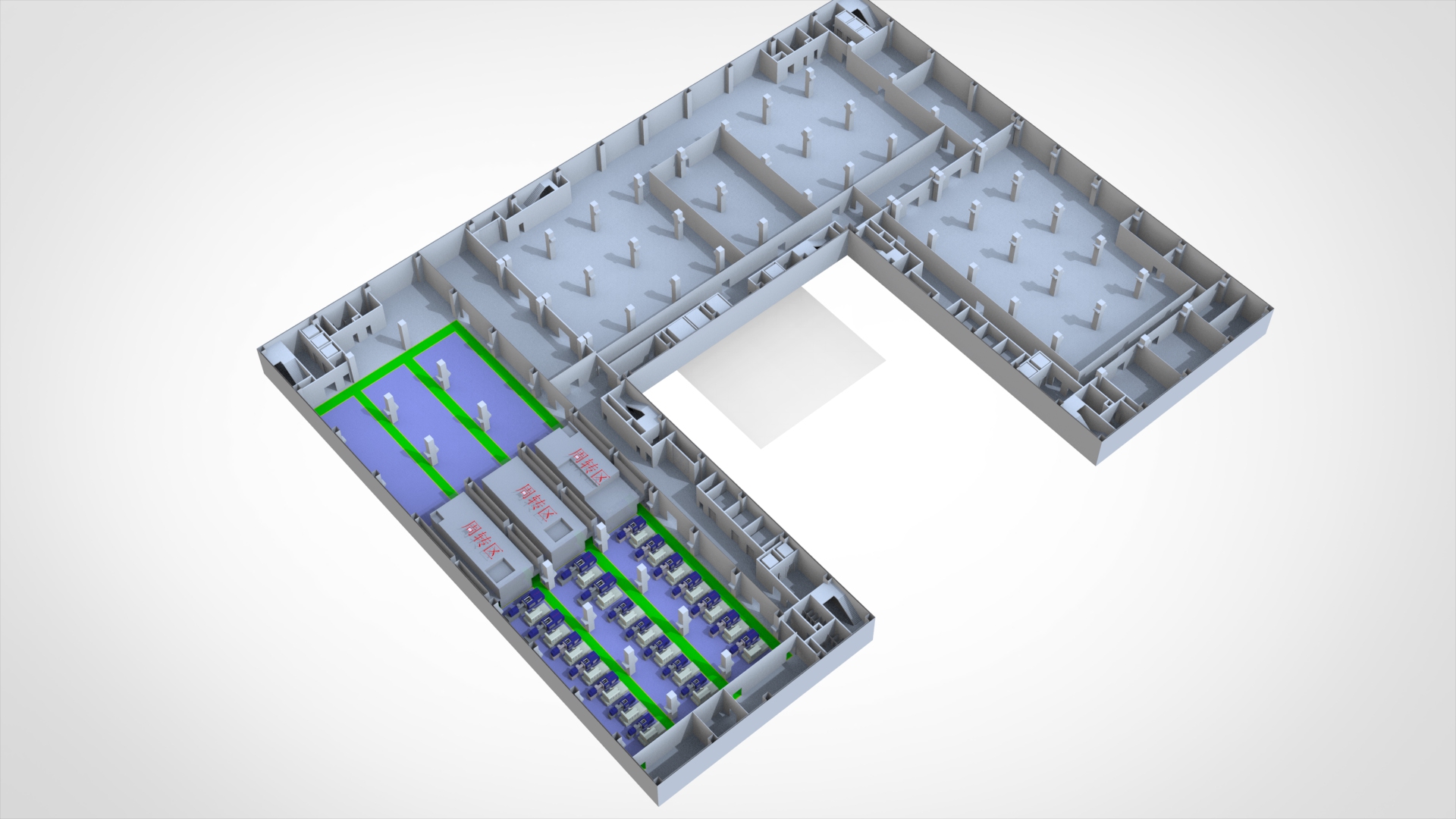
Project Snapshot
- Client Type
- Intelligent Manufacturing Plant
- Timeline
- Project plan dated 2024-07
- Deliverables
- Second-floor injection workshop layout and route plan
- Empty-tray delivery and full-material pickup workflows
- Roller AGV and docking transformation plan
- Digital twin, data acquisition and dispatch system
Background
Project scope
The source proposal describes an unmanned intelligent logistics project for an injection molding workshop. The system handles magazine/carrier-type materials with a stated maximum single-unit weight of 5.81 kg and a size of 230 x 219 x 311 mm. The customer system connects through an SRD standard API, and loading/unloading uses line-side roller docking with four buffer positions on the AGV body.
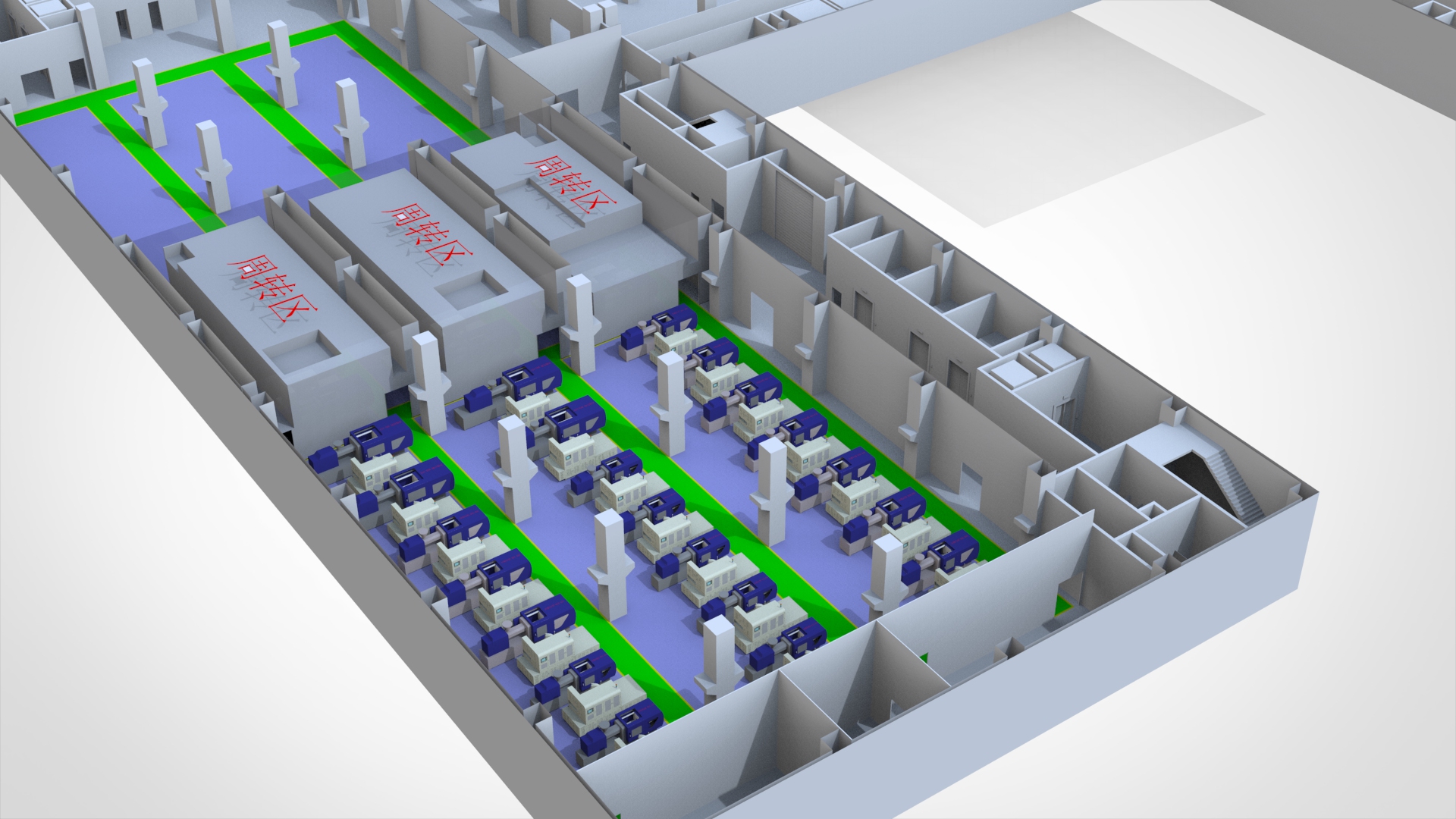
The target workshop is on the second floor. The project includes injection-machine locations, elevator connection, empty blister-tray delivery, full-material pickup and system-driven AGV dispatch.
Layout basis
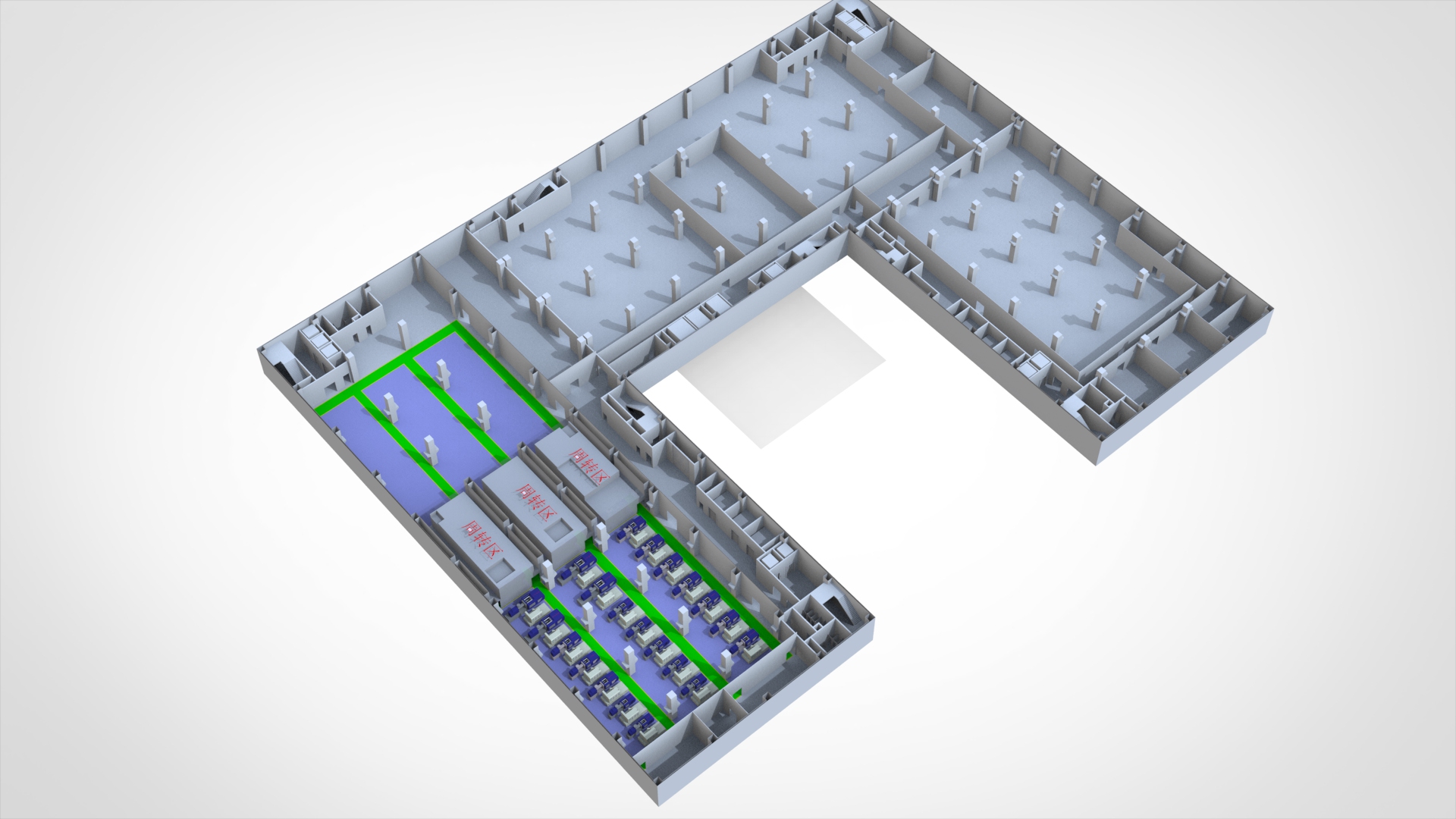
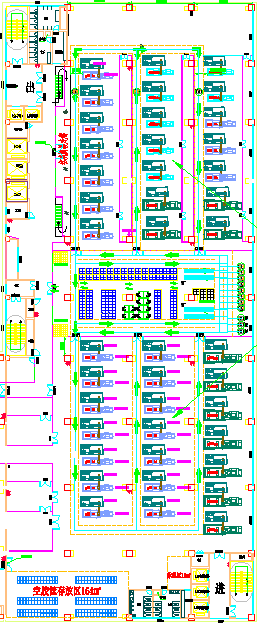
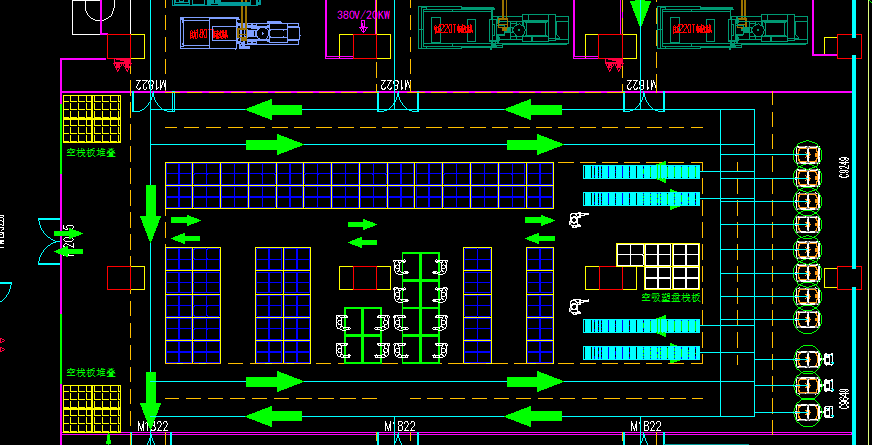
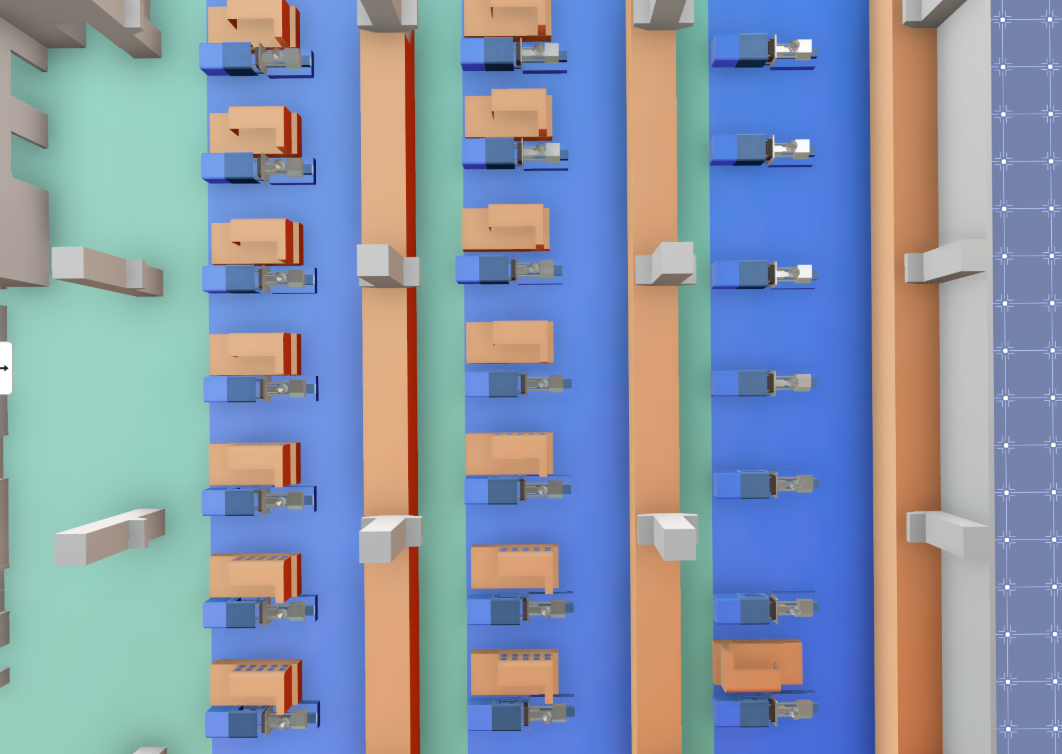
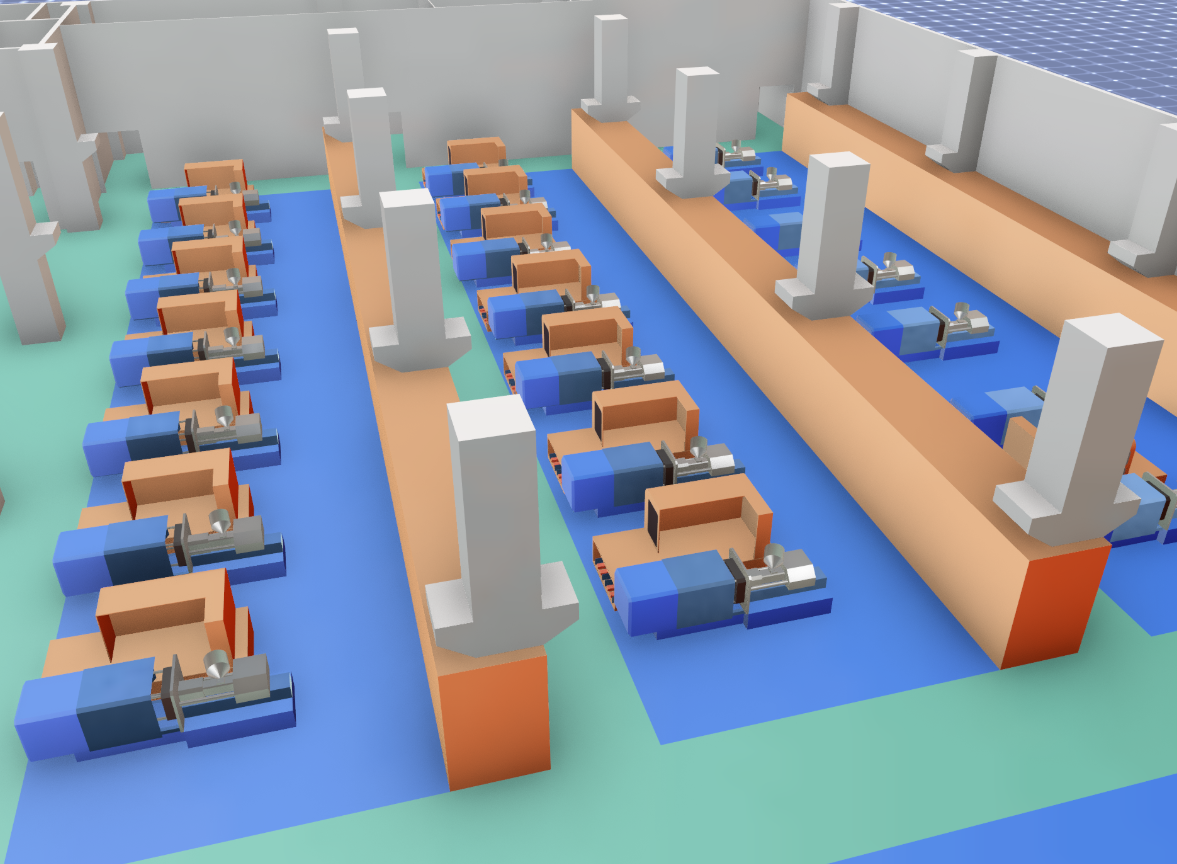
The second-floor overall layout identifies injection molding machine positions and elevator locations. The design considers workshop aisle width, one-way circular routes and safe AGV movement.
Challenge
Aisle and traffic constraints
For a single vehicle moving straight, the minimum aisle width is 1,100 mm after considering safety obstacle avoidance on both sides. For single-vehicle rotation, the minimum aisle width is 1,625 mm. Based on this, the vertical passage in the injection workshop is designed as a one-way route with a circular road layout.
Material pickup and delivery complexity
The workshop needs empty blister trays to be delivered to production and full-material trays to be picked up. The system must reduce vehicle queueing, support double-channel pickup/drop-off and maintain stable docking with machines and roller conveyors.
Exception handling
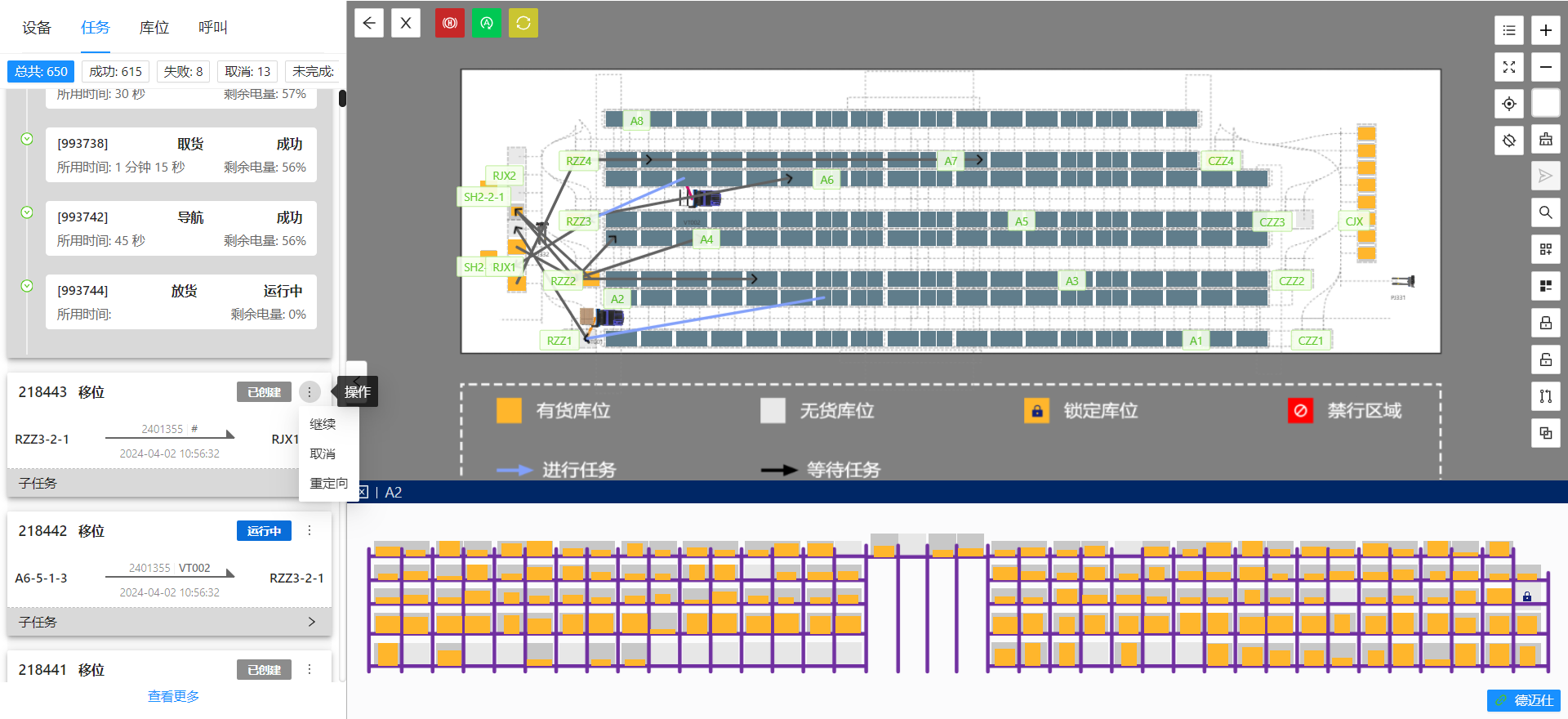
The proposal notes that when an AGV, tray arranger or roller conveyor has an exception, the task cannot continue. In the current mode, operators need to cancel the task and reset the AGV, tray arranger and roller conveyor separately, which is cumbersome. The proposed system should centralize exception handling and make recovery simpler.
Approach
Empty blister-tray delivery workflow
The empty-tray process starts when the tray arranger calls for empty blister trays. The central control system receives and replies to the call, creates a task, assigns a vehicle, plans the route, starts the roller motor and completes docking with the target point.
Full-material pickup workflow
For full-material pickup, the dispatch system receives the task, assigns a vehicle, plans a route, opens the motor and completes pickup from the line-side point. The process coordinates vehicle movement, roller docking and system feedback.
Vehicle selection
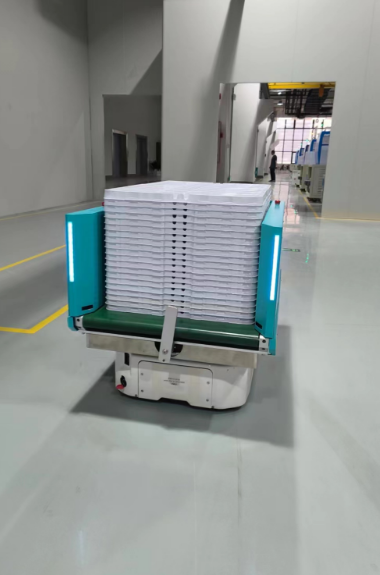
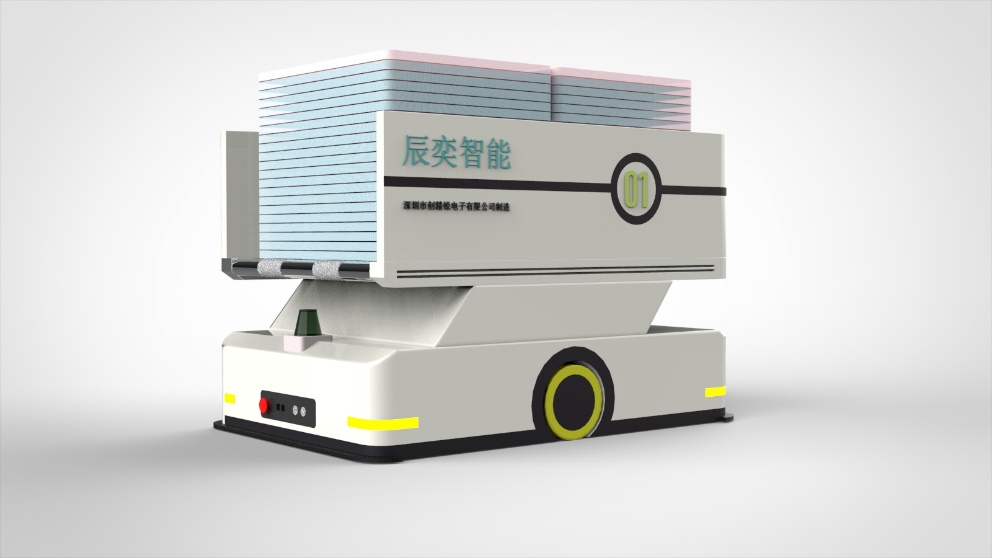
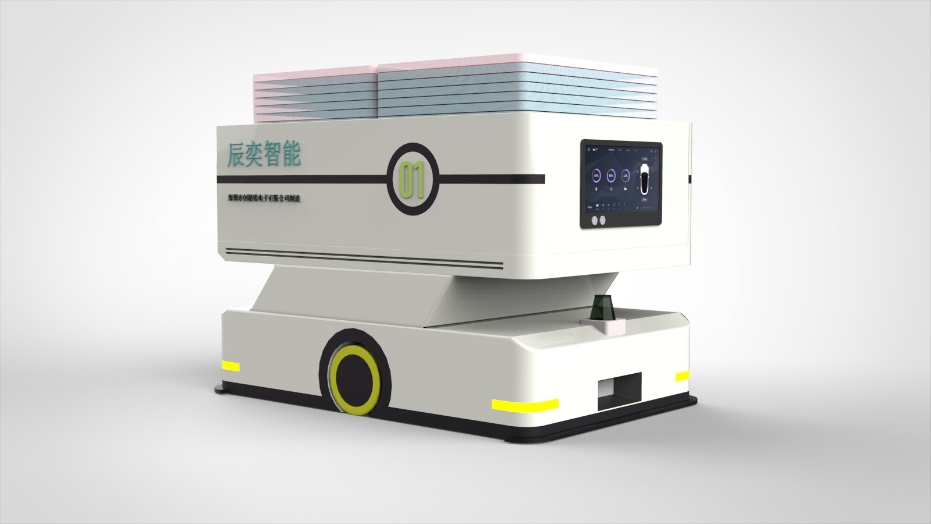
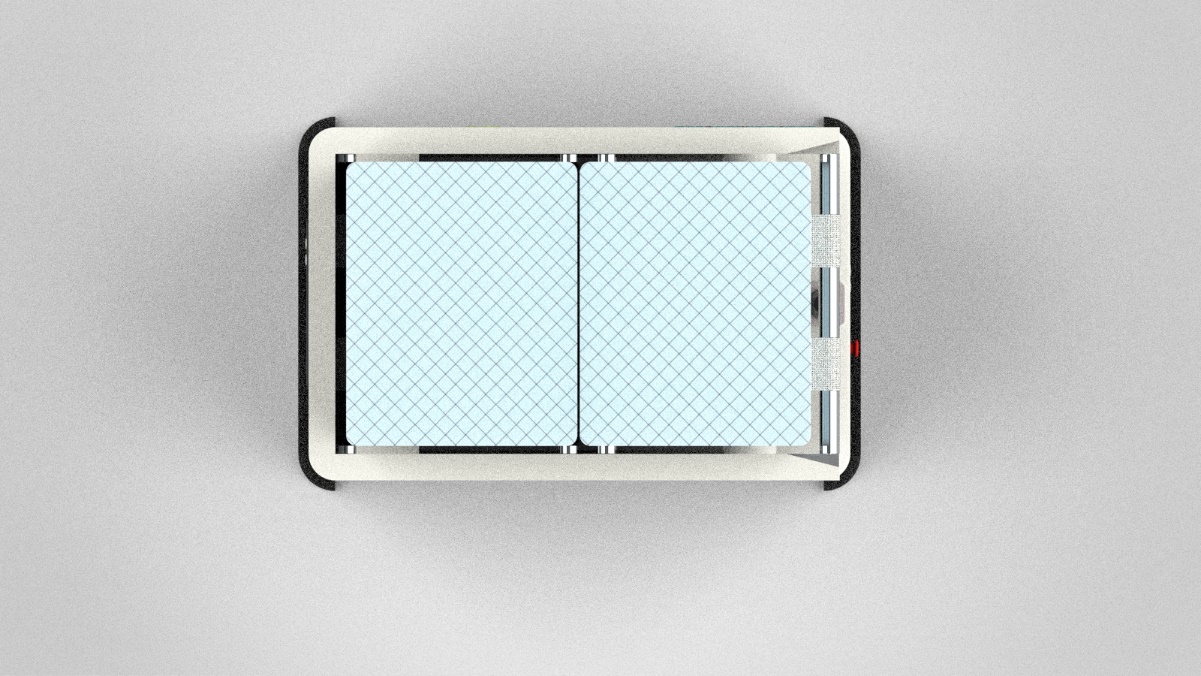
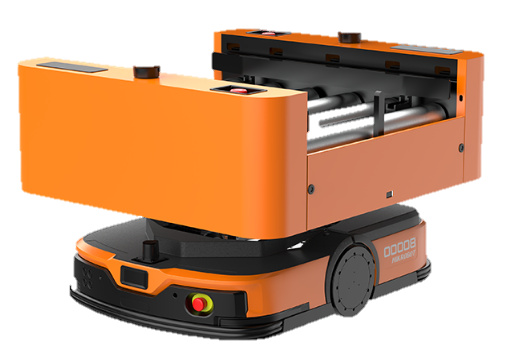
The vehicle selection section includes a chassis design and technical-parameter table for a roller-type AGV. The selected vehicle supports the workshop route, roller docking and full/empty material transfer.
Docking transformation
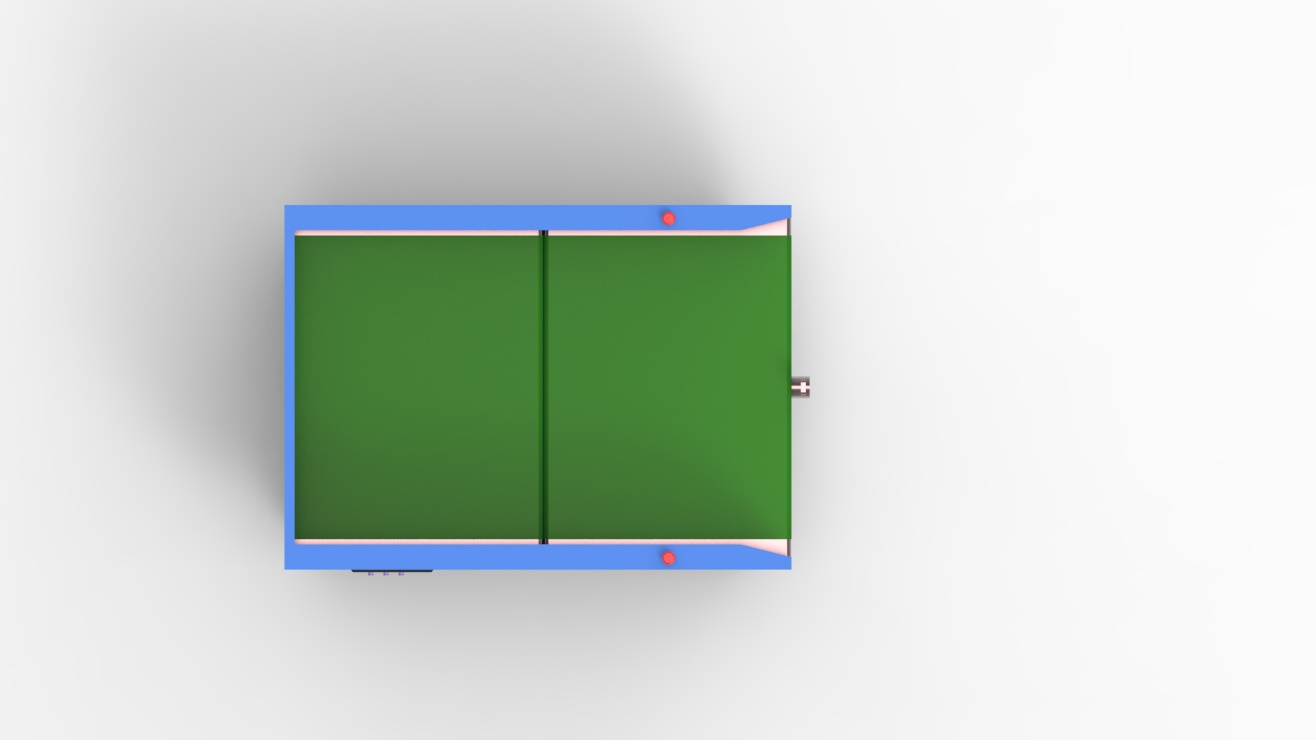
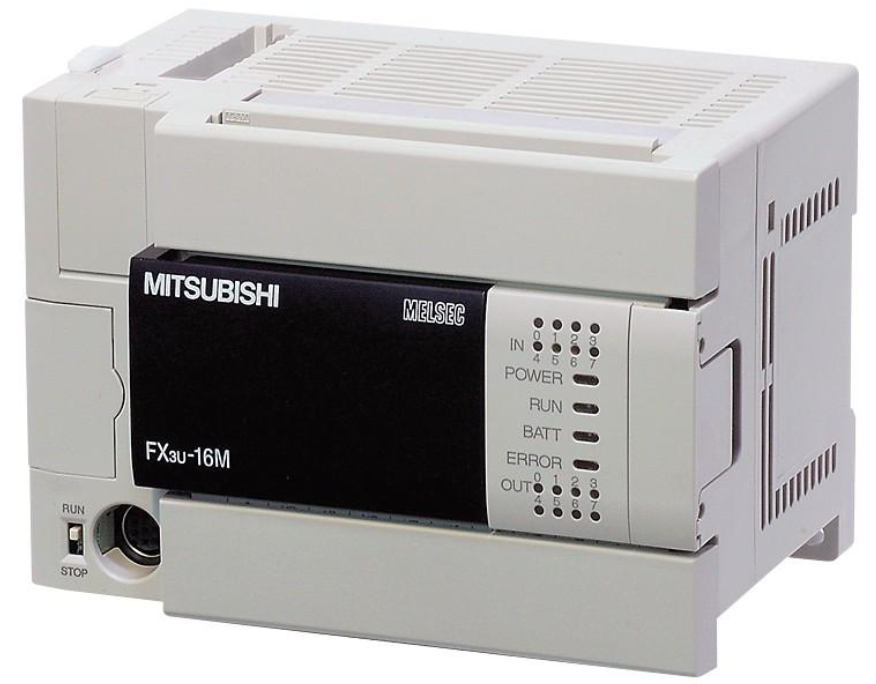
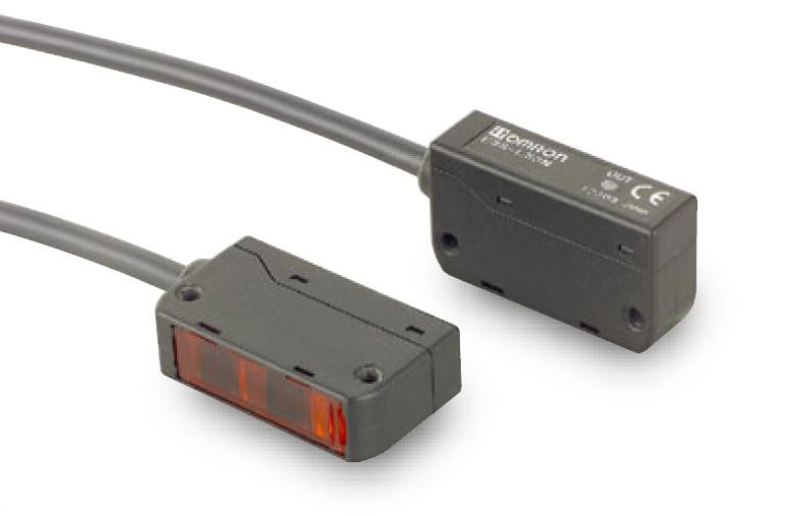
The docking transformation section covers tray arrangers, roller conveyors, docking accuracy and equipment integration. It includes machine-side docking, conveyor docking and AGV positioning requirements.

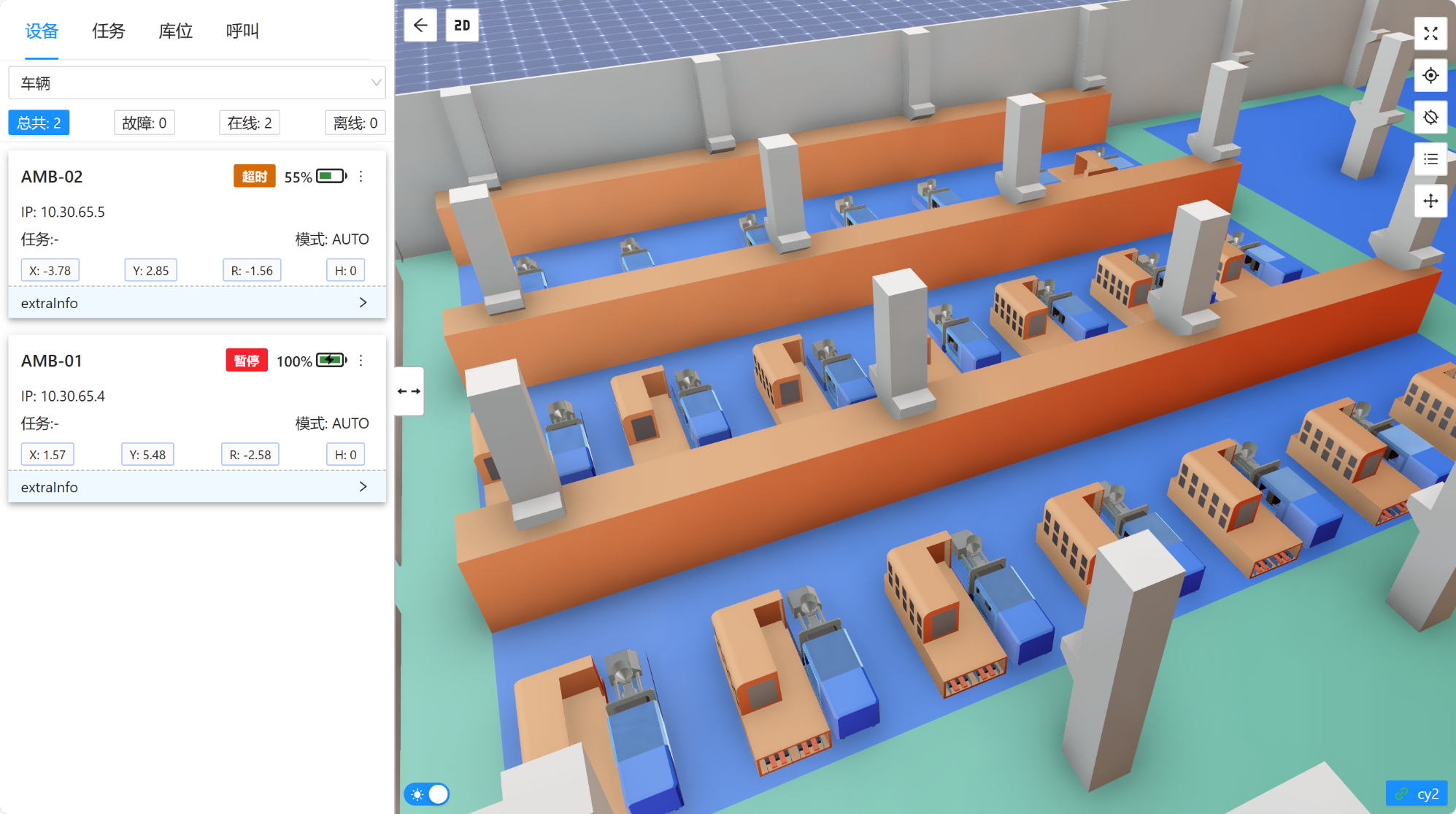
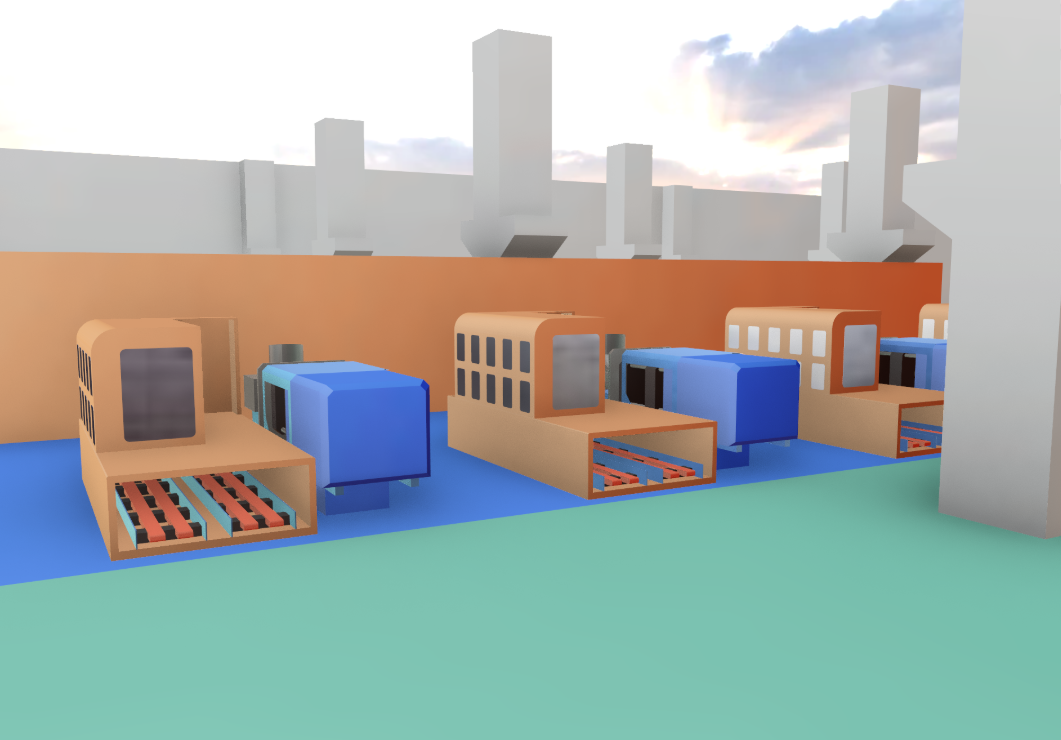
Digital twin
The digital twin is browser based, requiring no software installation. It can be displayed on web large screens, phones, tablets and TVs. The proposal states that the configured scene can be adjusted by users without writing code.
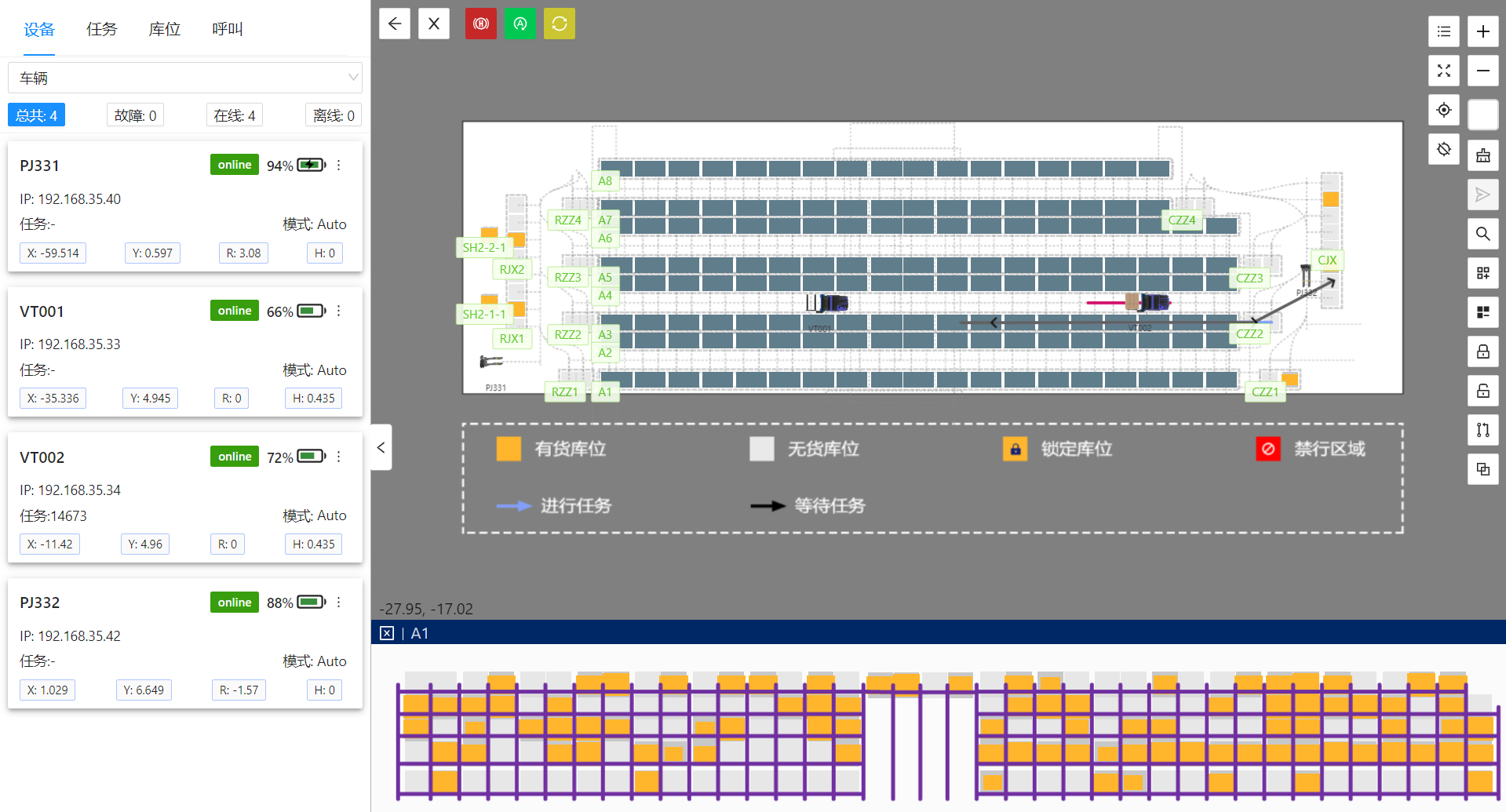
System architecture and central console
The system connects ERP, MES, WMS, AGV scheduling, RCS, WCS and equipment execution. The operator console supports map zoom, inventory search, map switching, equipment management, location-state monitoring, task management, call management and dynamic task creation.
Vehicle count calculation
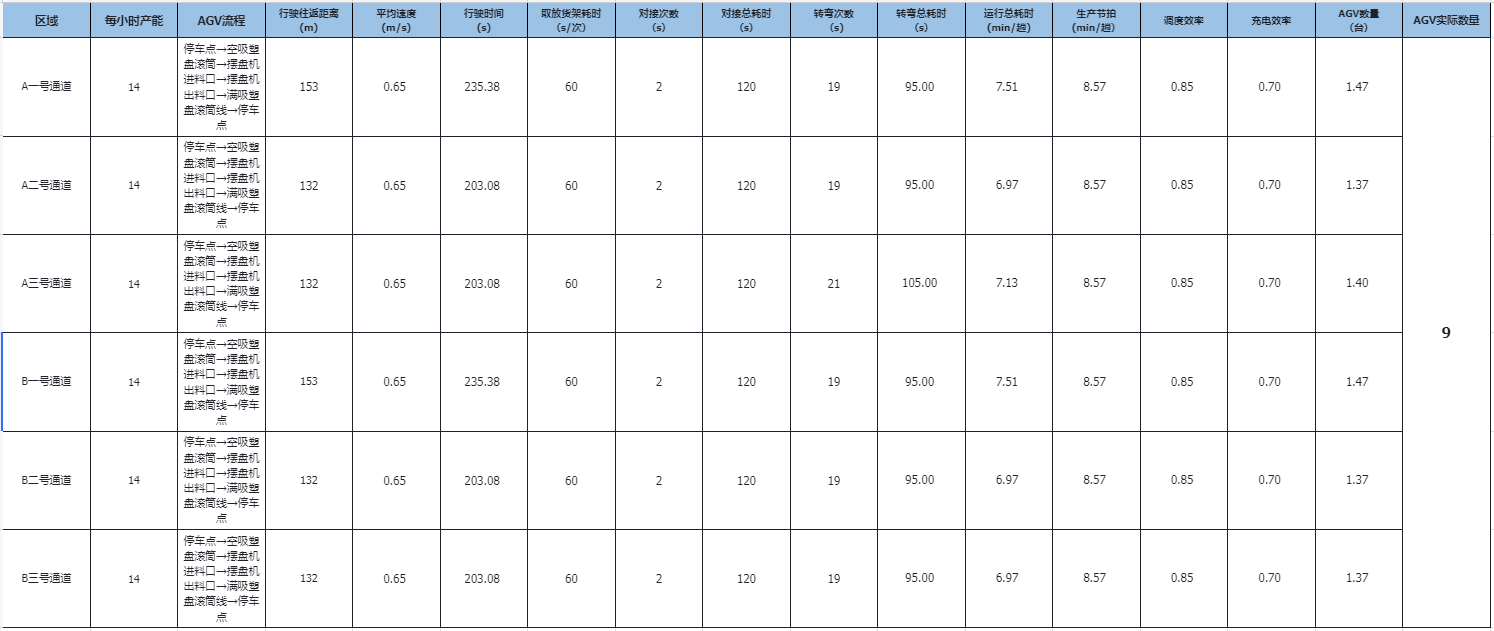
The proposal calculates the quantity for the middle-area pickup/drop-off scheme. It defines a compound operation as one AGV loop that carries one full material box and returns one empty box. Under that assumption, the calculation determines the required roller vehicle quantity.
Outcome
Expected operating value
The proposed system automates empty-tray delivery and full-material pickup in the injection workshop. It reduces manual task coordination, supports one-way route planning, centralizes exception handling and gives managers real-time visibility through digital twin and control-console views.
Deployment and service
The implementation plan covers project phases, schedule control and contingency measures. The proposal states that a project committee is established, responsibilities are assigned and contingency plans are prepared to ensure schedule execution.
The service commitment states a 15-minute response after after-sales requests. Remote technical support is attempted first; if remote support cannot resolve the fault, on-site service is planned within 4 hours during the warranty period.
Project Feedback
Share a short review of this case study or tell us what kind of automation project you want to compare it with.
No published reviews yet.