
Inquiries, partnerships, and case study downloads:example@robotlyne.com
Workshop Intelligent Logistics with AGV Forklifts and Roller Vehicles
An intelligent workshop logistics proposal for raw-material delivery, finished-goods transfer and AGV route planning across multi-floor production areas.
See how we designed this project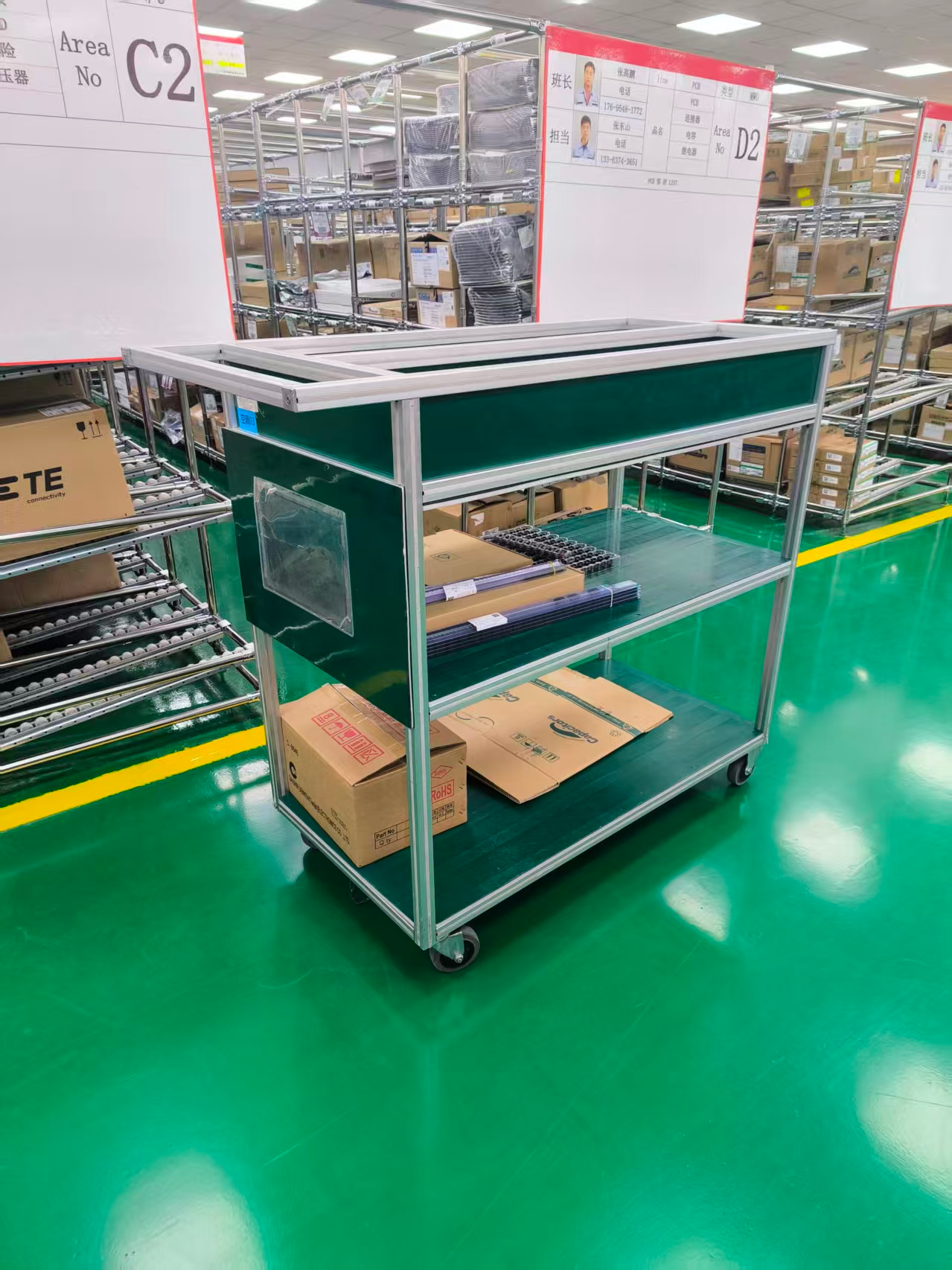
Project Snapshot
- Client Type
- Electronics Manufacturer
- Timeline
- Project plan dated 2025-10
- Deliverables
- Raw-material and finished-goods AGV workflows
- Laser SLAM forklift and roller-vehicle configuration
- WMS/WCS, RCS and central dispatch integration
- Site, Wi-Fi, VPN and implementation requirements
Background
Project scope
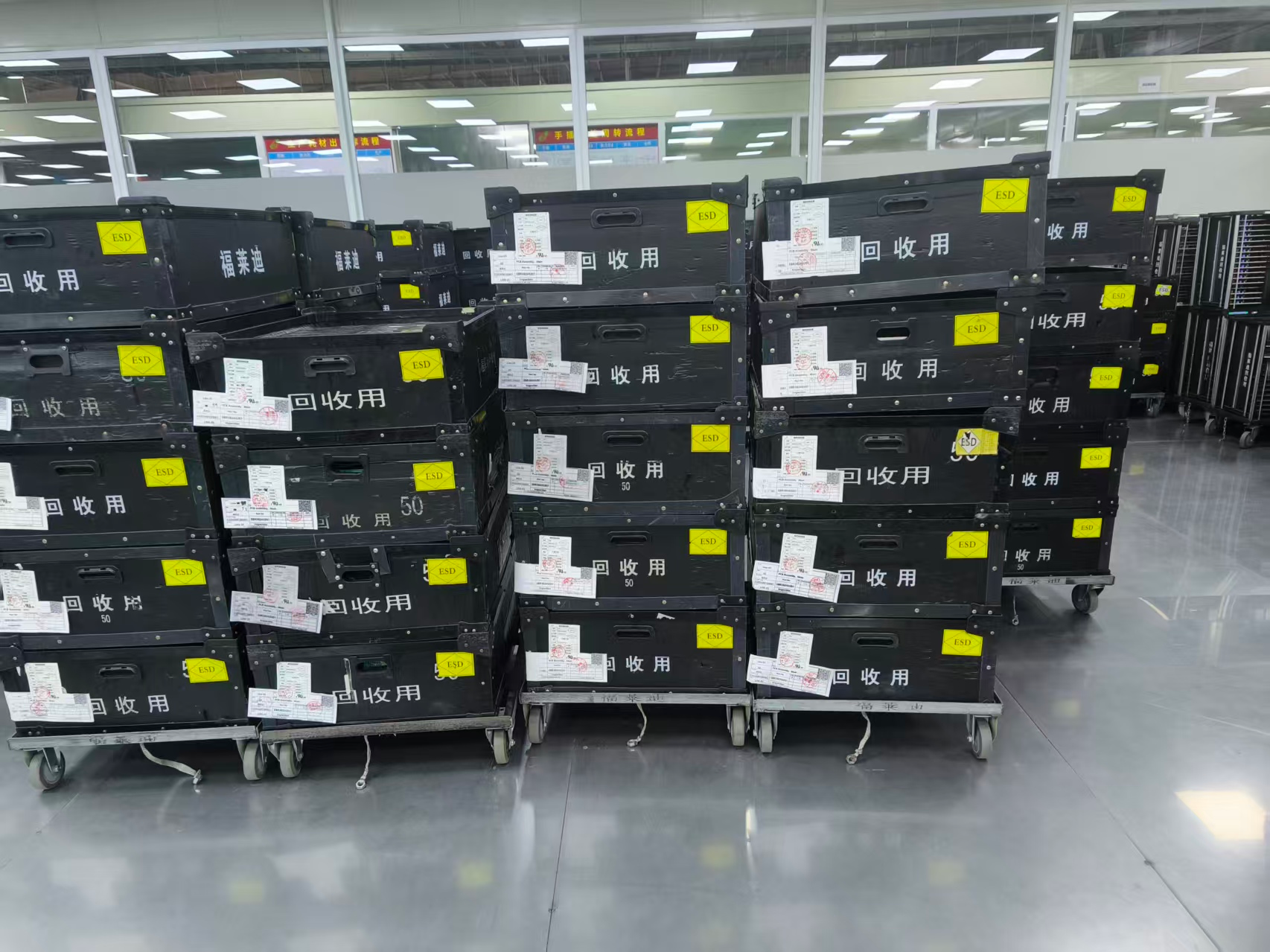
The source proposal defines an intelligent workshop logistics project for magazine/carrier-type materials. The material size is 230 x 219 x 311 mm, with a stated maximum single-unit weight of 5.81 kg. The customer system connects through an SRD standard API, and loading/unloading is planned around a single-tray roller conveyor with no side guides.
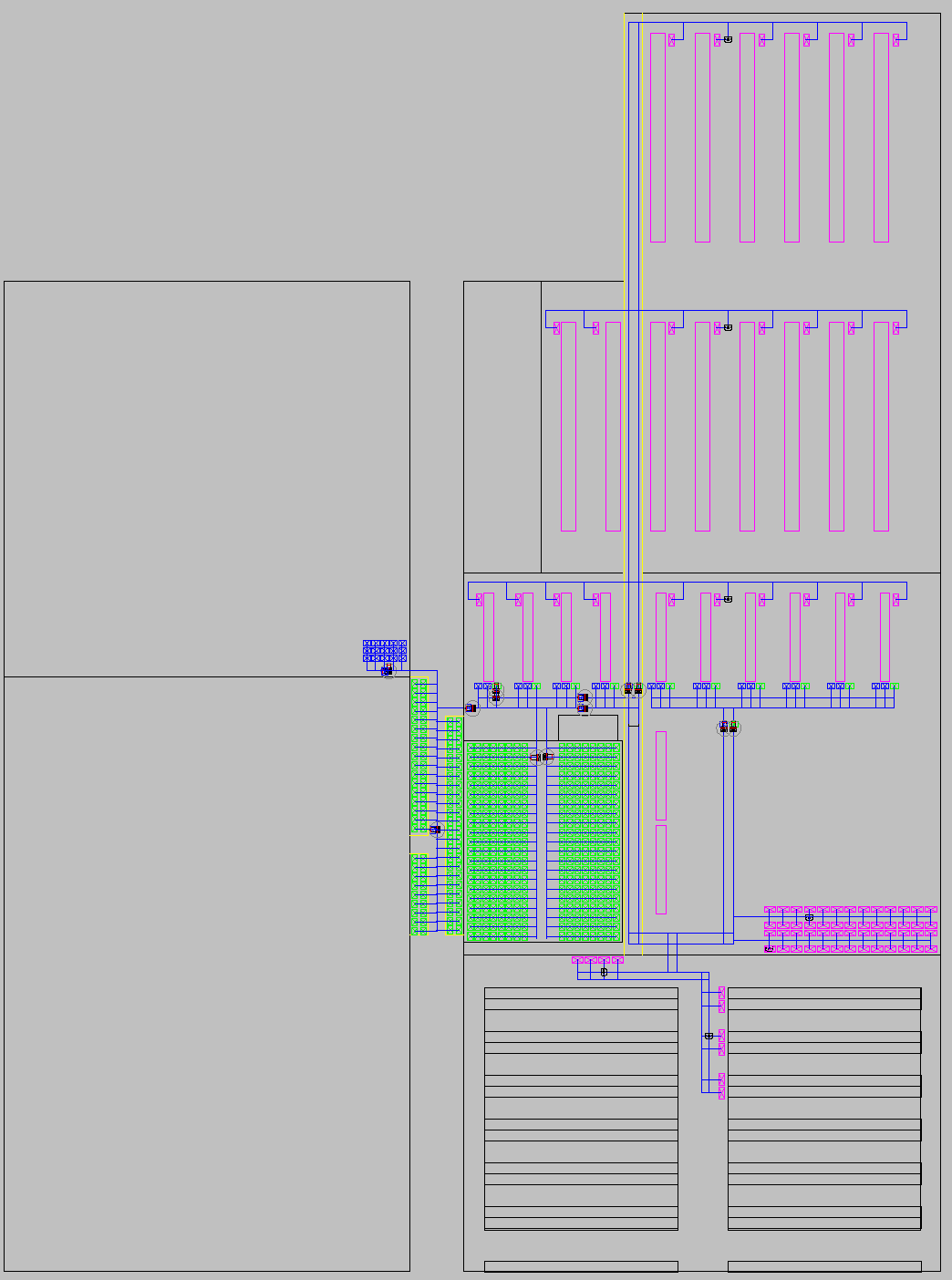
The project covers automatic transfer between raw-material storage, preparation areas, line-side buffer areas, finished-goods outbound points, elevators and warehouse storage. The target is to replace manual transport with unmanned vehicles and improve line-side material movement efficiency.
Business objective
The upper-level system coordinates production-line information reading, material information reading and AGV task dispatching. The proposal aims to automate material circulation, improve labor efficiency, reduce manual transfer and provide an intelligent workshop logistics system for production.
The operating basis is a double-shift mode. One shift is 12 hours minus 100 minutes, or 10.33 effective hours, and two shifts provide 20.66 effective hours.
Flow and carrier analysis
The proposal uses customer-provided daily transport data and converts it into hourly flow by averaging across 20 hours. This flow is used as the baseline for vehicle quantity calculation, route design and equipment selection.
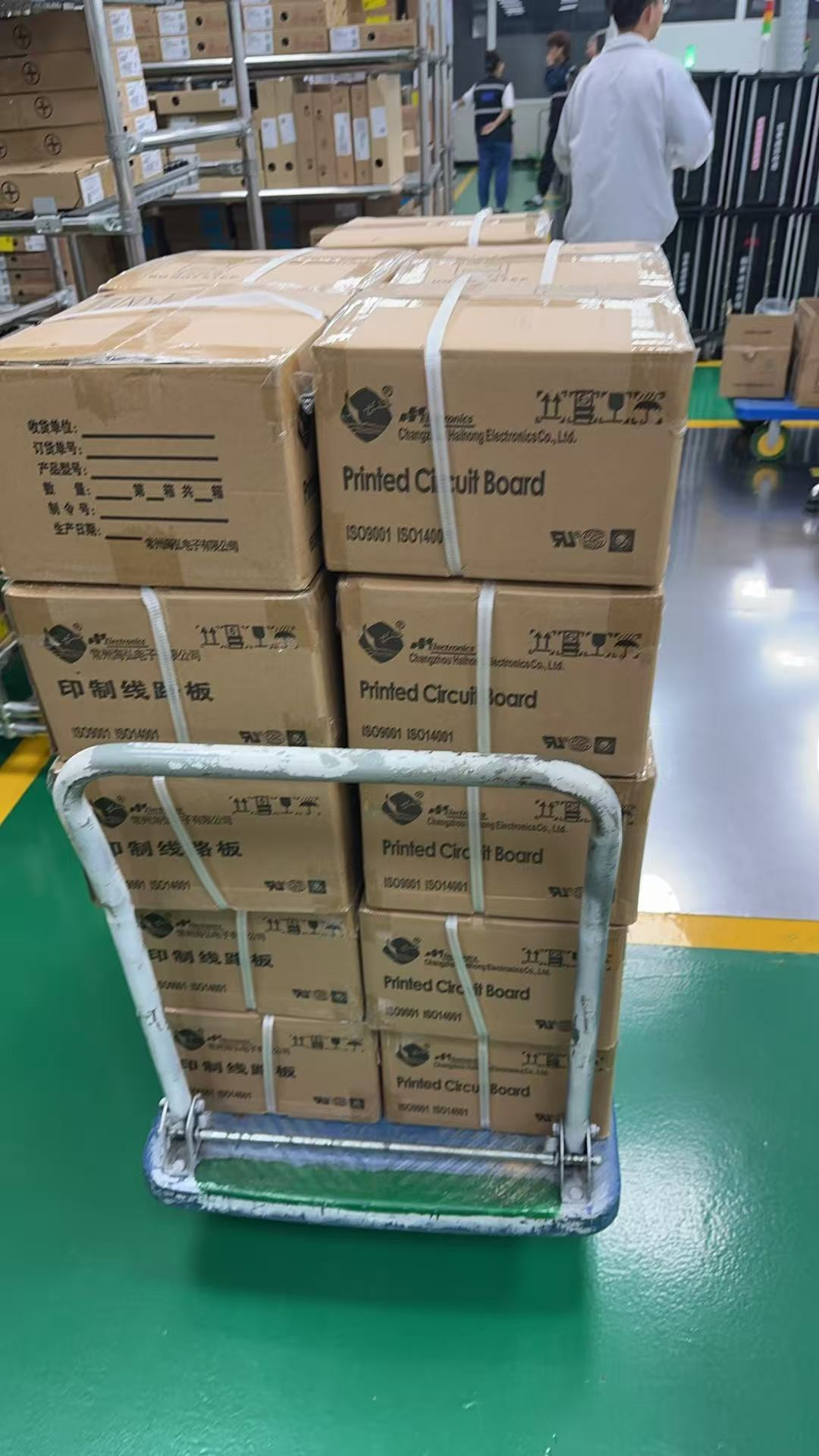
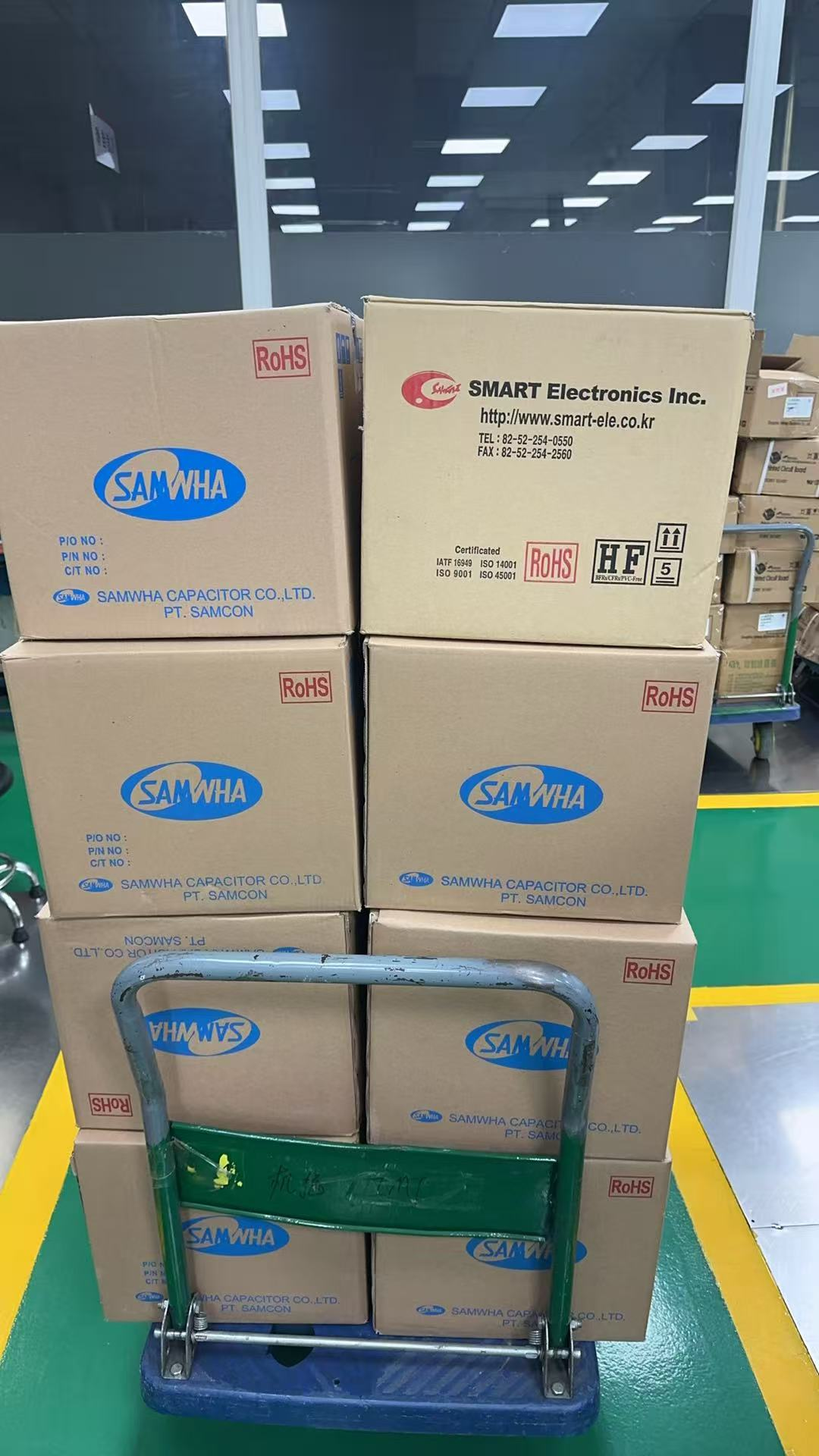
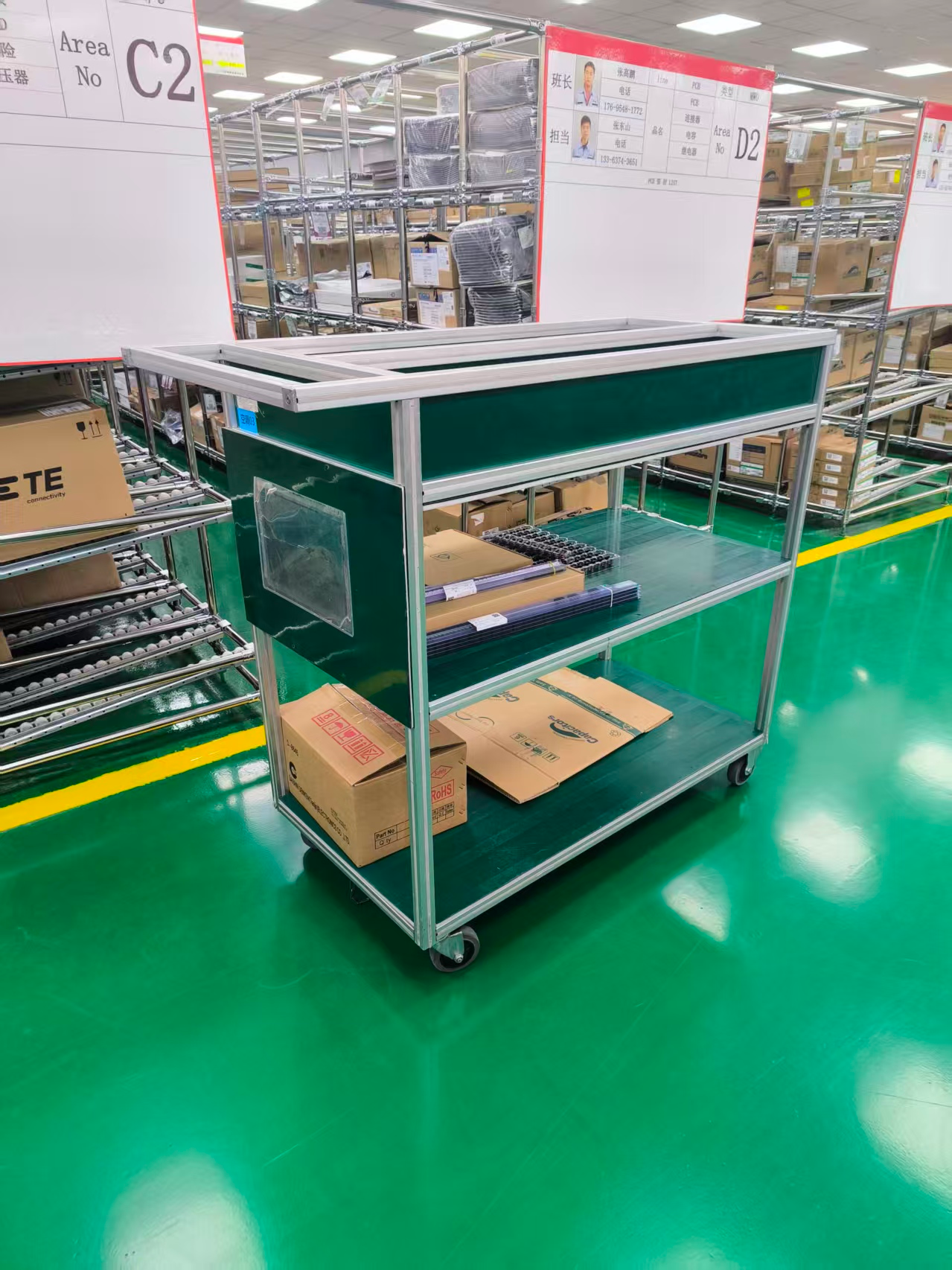
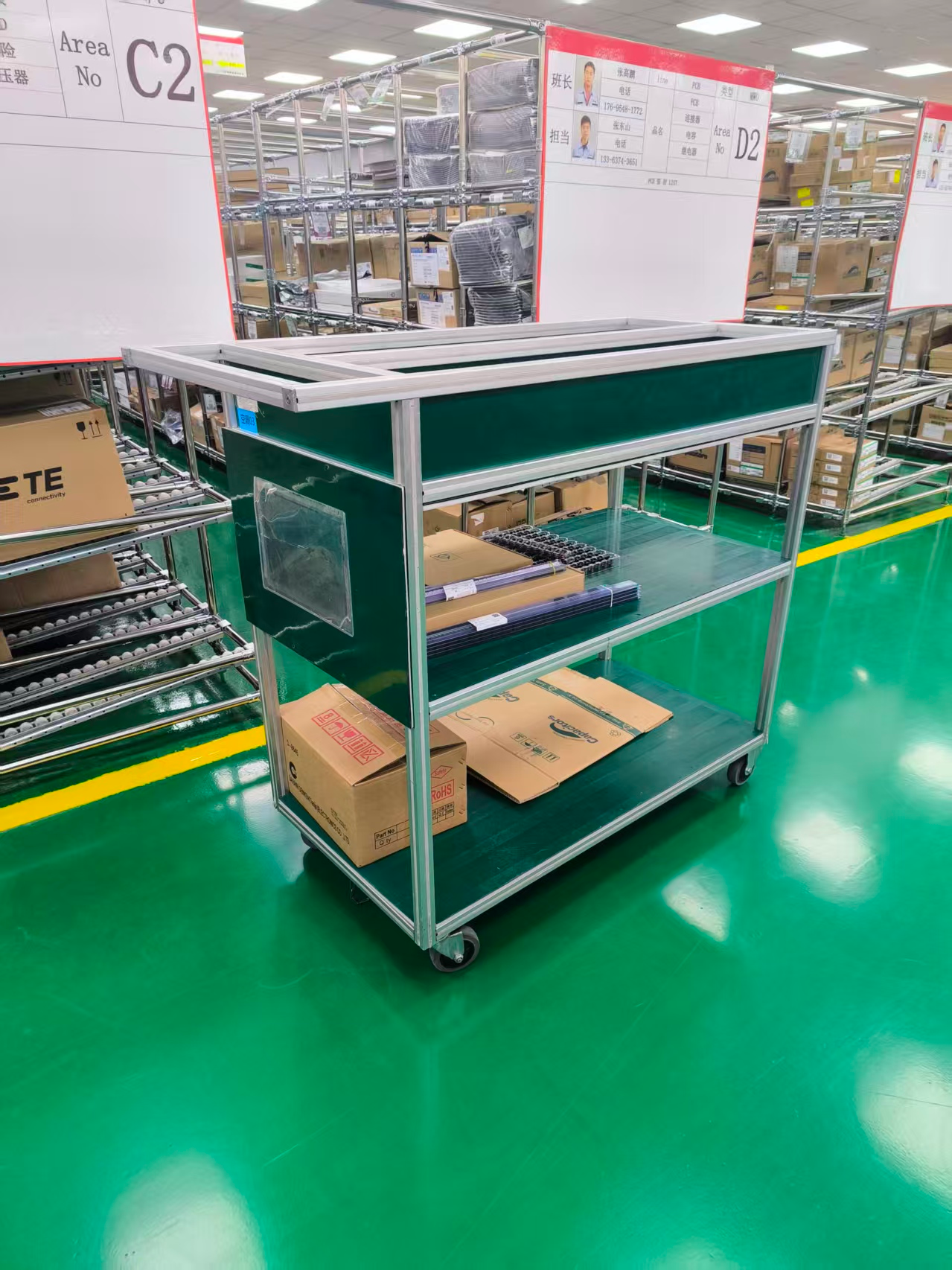
The existing raw-material carrier is 1,150 x 600 x 1,160 mm, with a bottom height of 130 mm. The plan considers raw-material loading, finished-goods unloading, buffer areas and line-side transfer constraints.
Challenge
Operating constraints
The project involves multiple floors, elevators, line-side buffer areas, preparation areas and warehouse storage points. The logistics flow must coordinate raw-material inbound delivery and finished-goods outbound transfer without blocking production passages.
The proposal notes that current transport requires manual work and route coordination. It also identifies docking-height differences and docking-surface inconsistencies as important transformation items.
Route and docking constraints
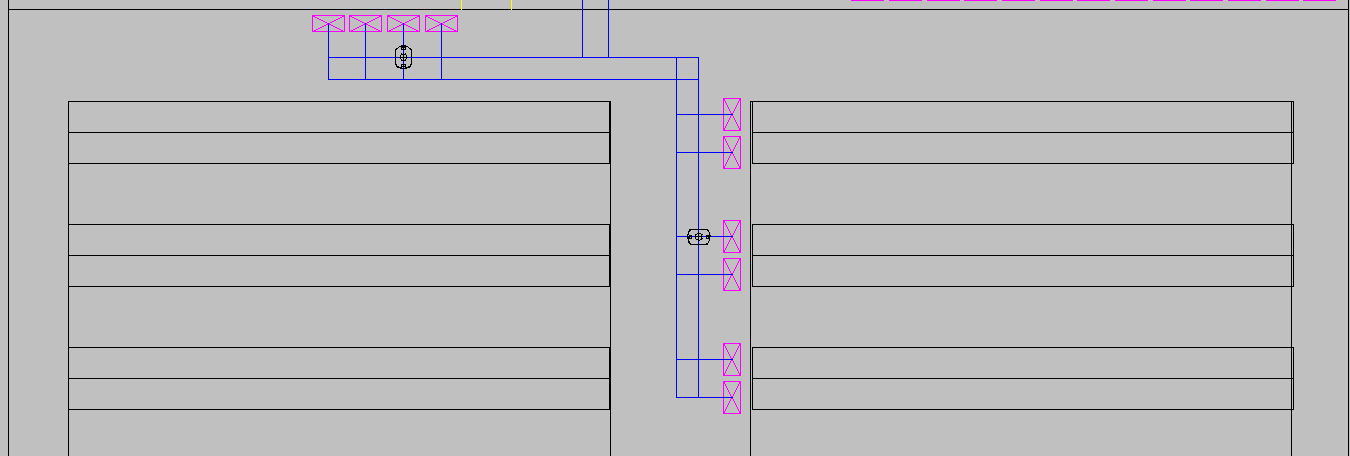
The first-floor AGV route includes picking locations, offline points, insertion-workshop transfer points and elevator connections. Some main passages need widening by around 30 cm. For vehicle docking, the proposal requires a unified docking height of around 340 mm and a unified docking surface, because existing machine interfaces include both wide-side and narrow-side docking.
Vehicle quantity and investment pressure
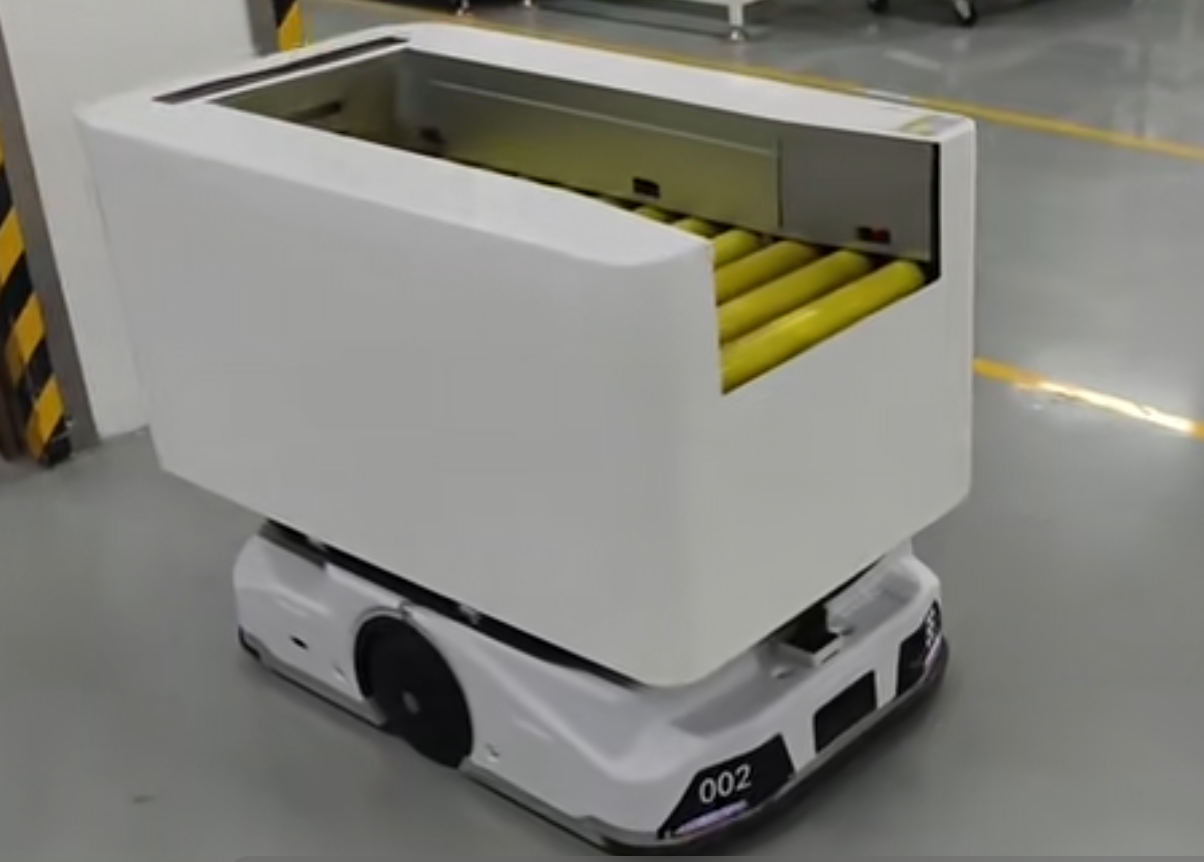
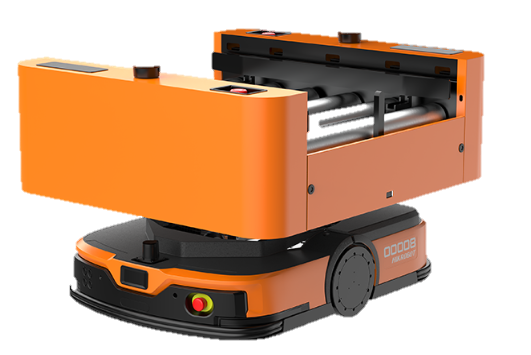
The plan calculates vehicle quantities for both forklift-style handling and roller-vehicle handling. For part of the raw-material and finished-goods logistics project, the proposal estimates eight vehicles and expects four manual positions to be reduced. For roller-vehicle operation, the proposal recommends 11 roller vehicles and four chargers for 24-hour automated operation.
Approach
Logistics handling concept
The solution uses unmanned handling forklifts to replace manual vehicle operation, a central control system to manage task calls, wireless networking for unmanned forklifts, preparation and receiving areas, and 24-hour unmanned transport recommendations.
Raw-material workflow
The raw-material flow starts from the raw-material warehouse and preparation area, moves through the warehouse buffer area and line-side preparation area, and then reaches the target production line. The system supports location binding by scanning address codes, automatic buffer allocation, unmanned vehicle task assignment and warehouse picking-area preparation.
Finished-goods workflow
The finished-goods flow includes automatic or manual palletizing, scanning start and target areas, system target-point calculation, unmanned forklift pickup, elevator transfer and warehouse storage.
Line and process mapping
The proposal maps multiple product specifications, production lines and movement paths. It includes approximately five specifications and uses coded positions such as A1-1-1 to express start points, target points and production-line relationships.

Vehicle selection
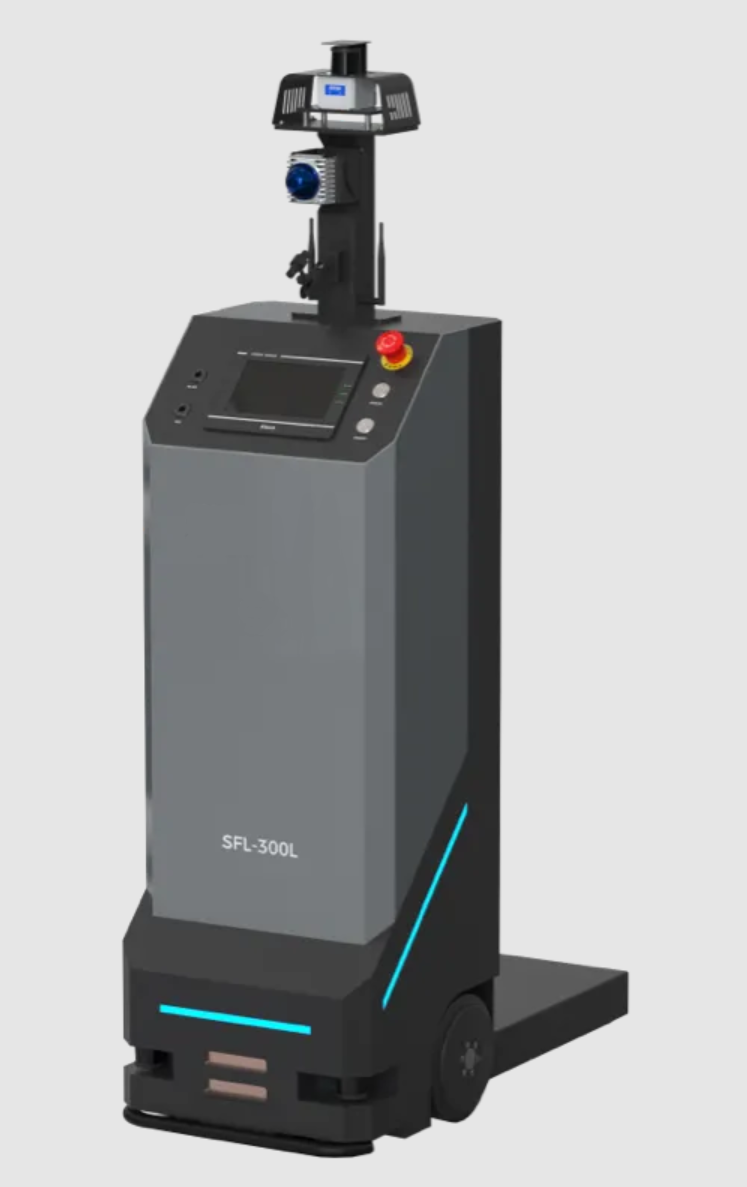
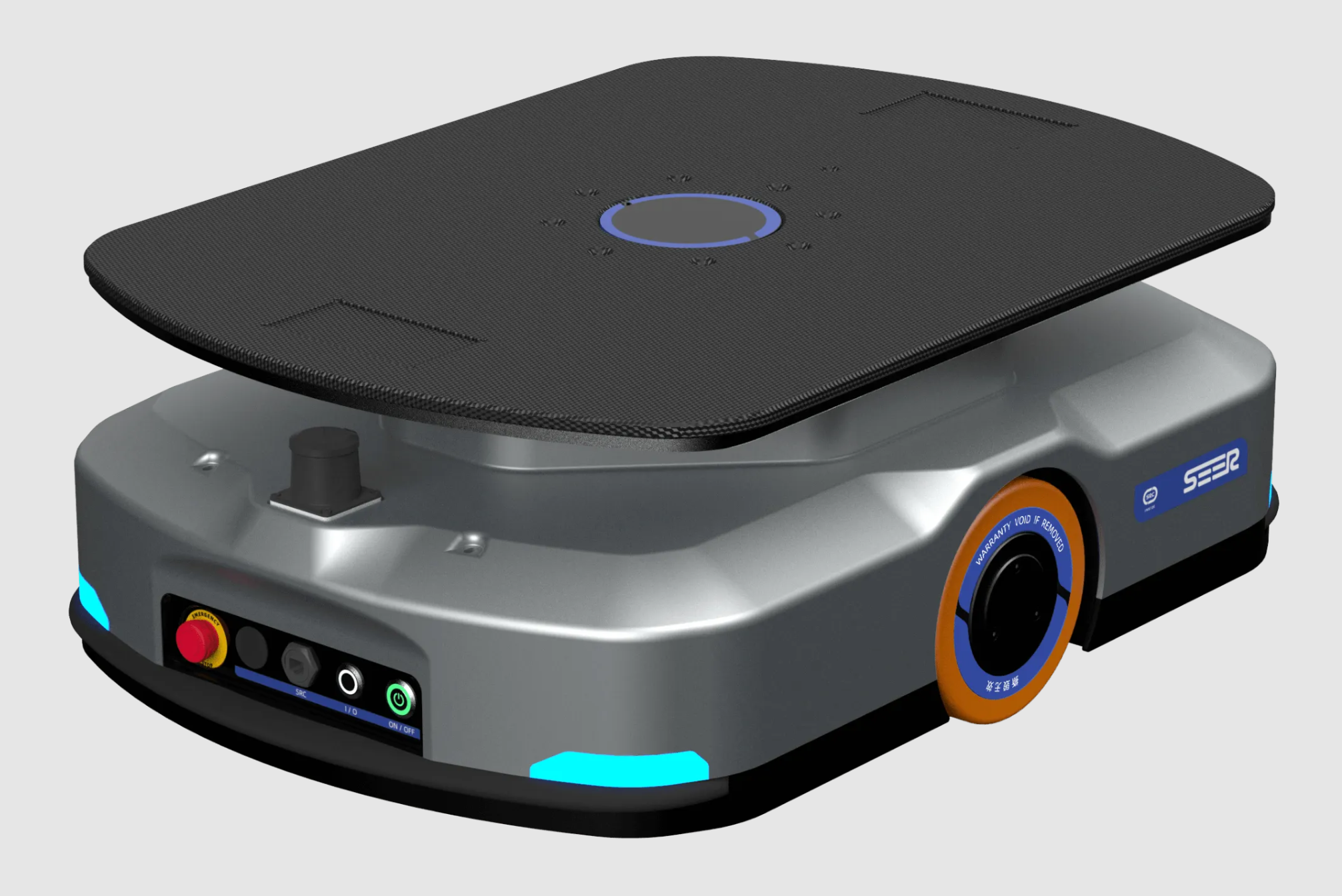
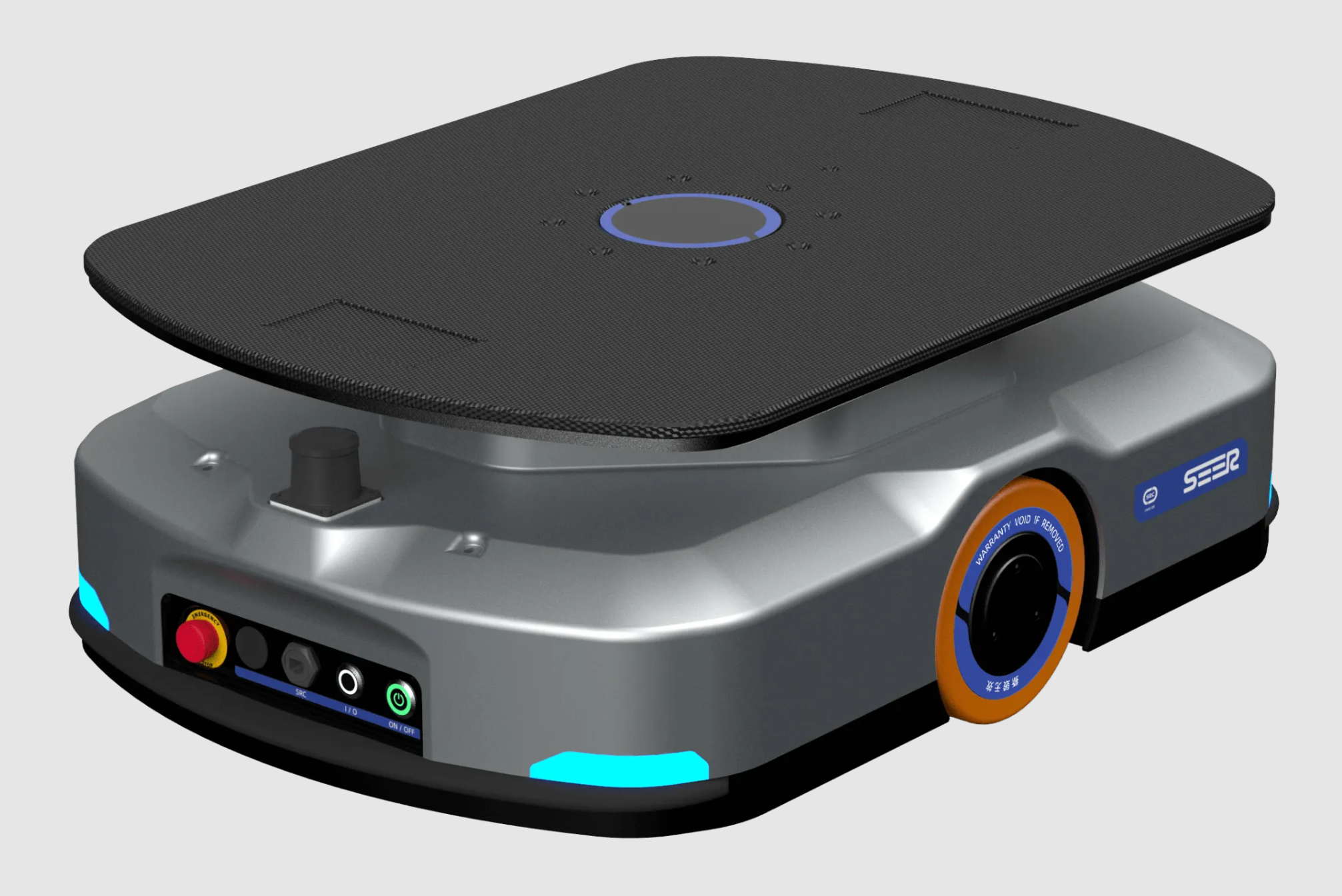
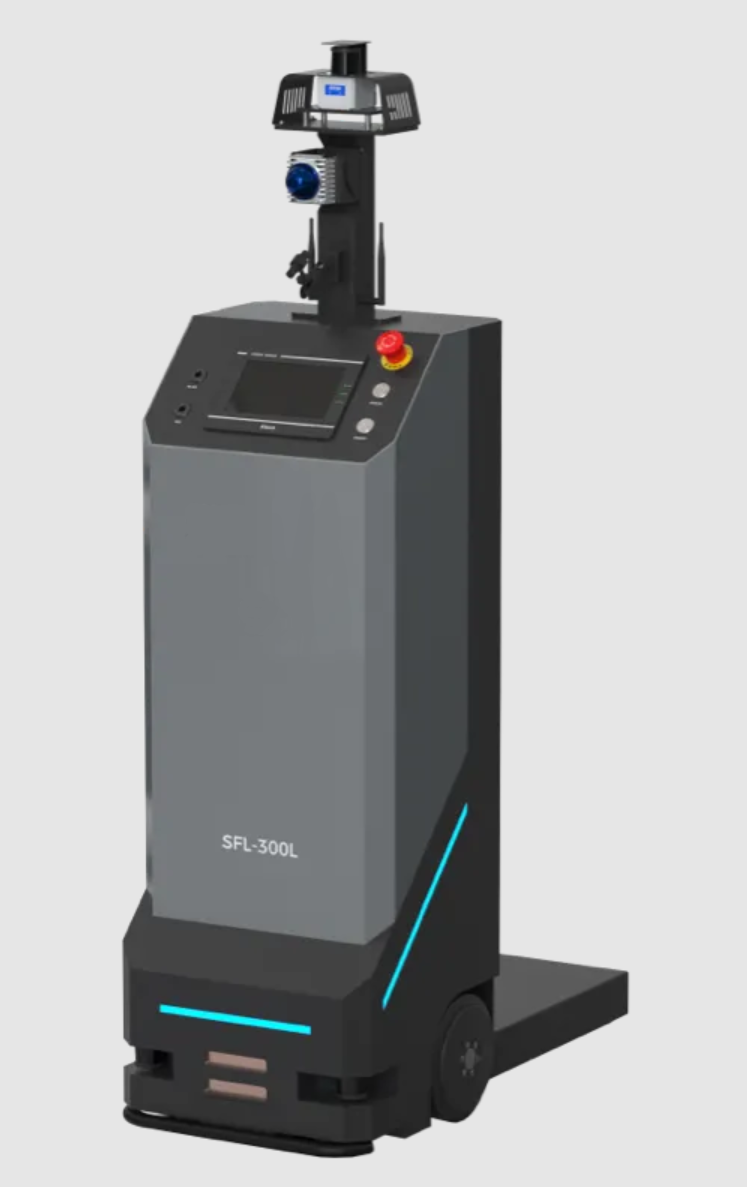
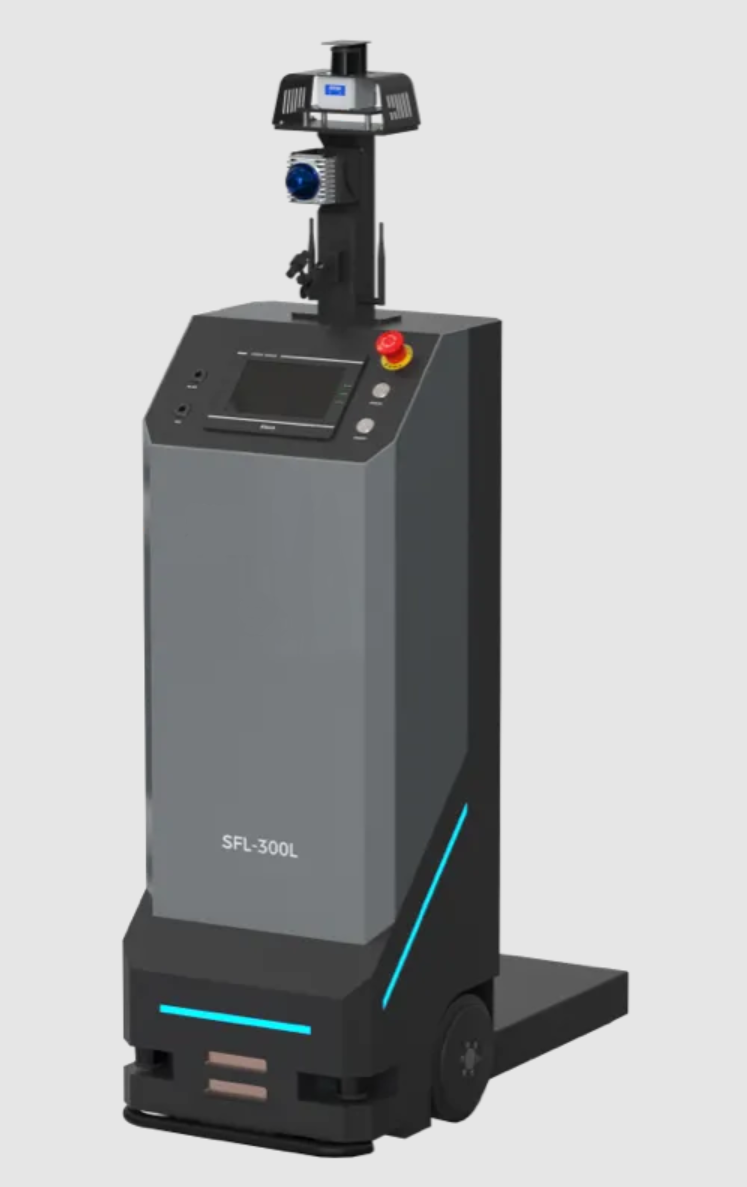
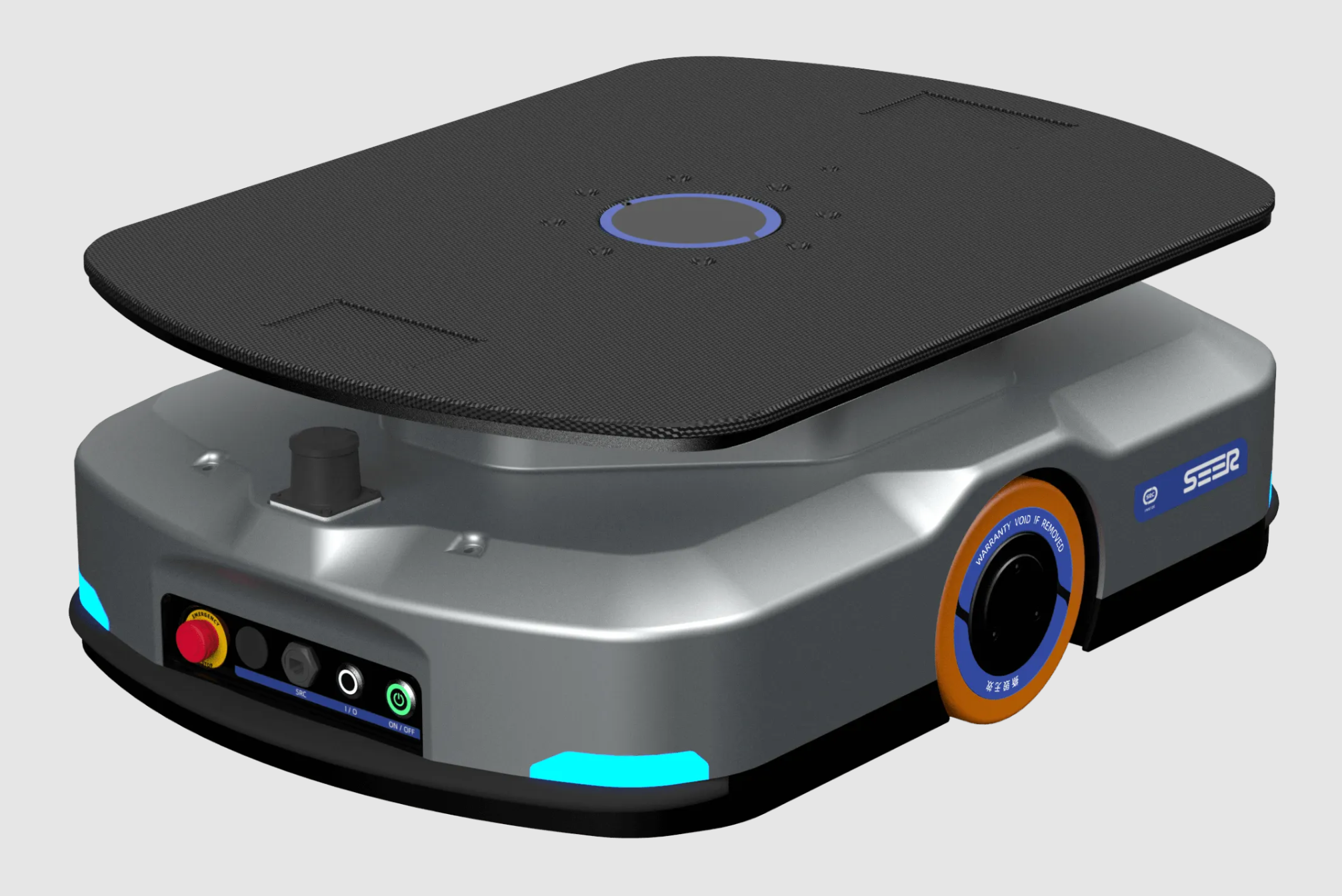
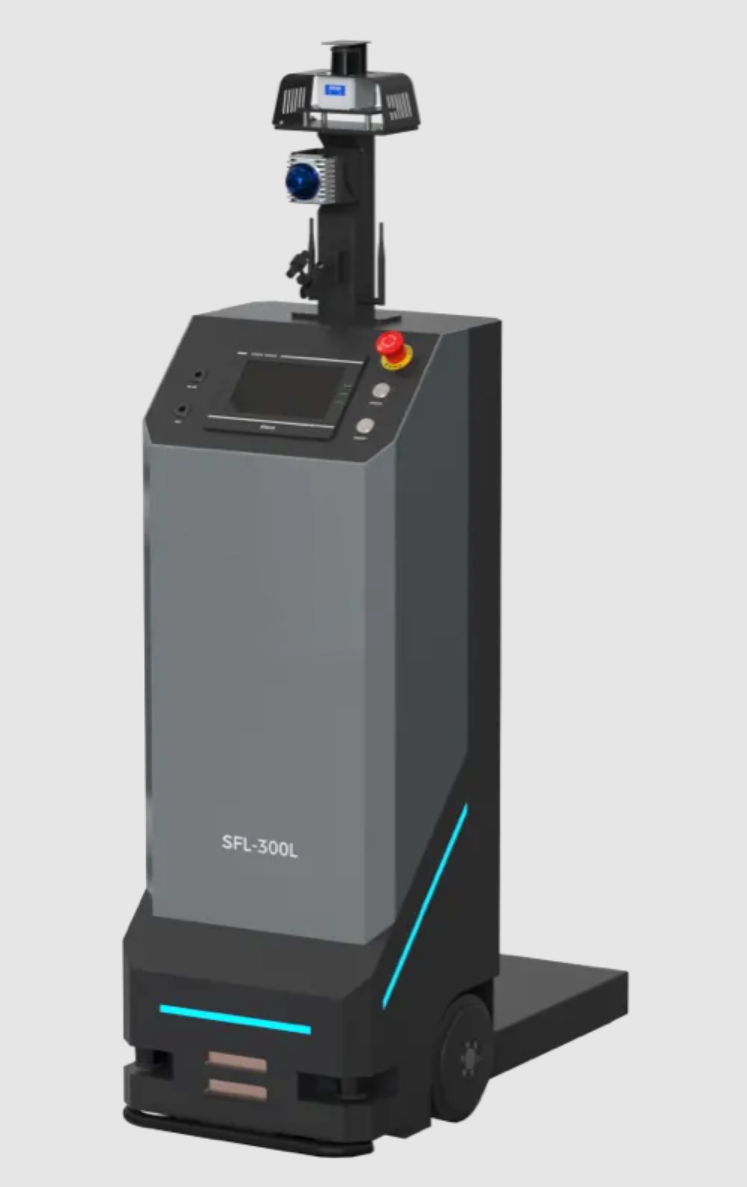
The proposal includes a laser SLAM handling forklift and a laser SLAM lift vehicle.
| Item | Laser SLAM handling forklift |
|---|---|
| Navigation | Laser SLAM |
| Use | Pallet/material handling and warehouse transport |
| Role | Raw-material and finished-goods transfer |
| Item | Laser SLAM lift vehicle |
|---|---|
| Navigation | Laser SLAM |
| Use | Lift-and-transfer operations |
| Role | Line-side or docking transfer |
Docking transformation
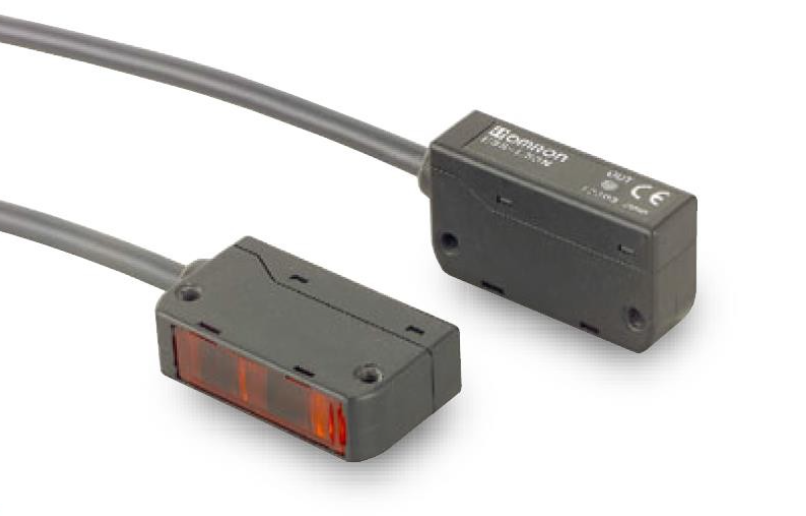
The docking transformation section requires unified conveyor height and unified docking direction. It also describes laser radar, high-position obstacle avoidance, indicator lights, steering indicators, emergency-stop alarm reminders and other vehicle features.
Charging and vehicle functions
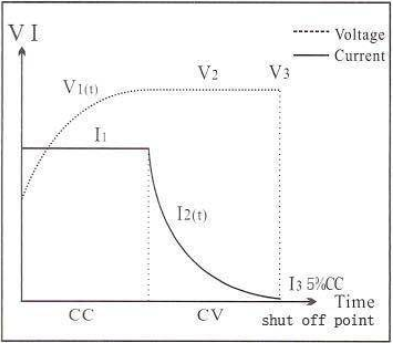
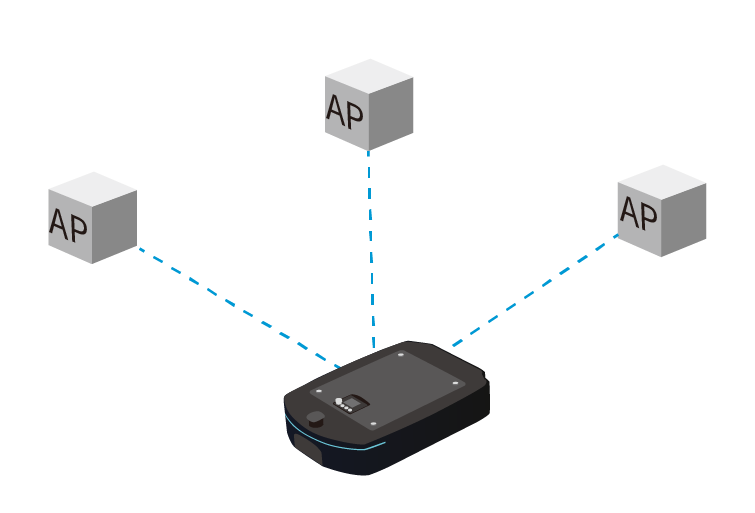
The project configures automatic chargers. The recommended single charger power reserve is 220 V, 1.5 kW, with a 220 V 10 A socket. The vehicle functions include Wi-Fi roaming, follow-up functions, slip detection and multi-vehicle coordination.
AGV and equipment configuration
The AGV list includes handling forklifts, lift vehicles, roller vehicles, chargers and related implementation items. The investment section states that eight vehicles can cover raw-material loading and finished-goods unloading with an expected reduction of four people, excluding intangible benefits and semi-finished-goods automated warehouse distribution.
System architecture
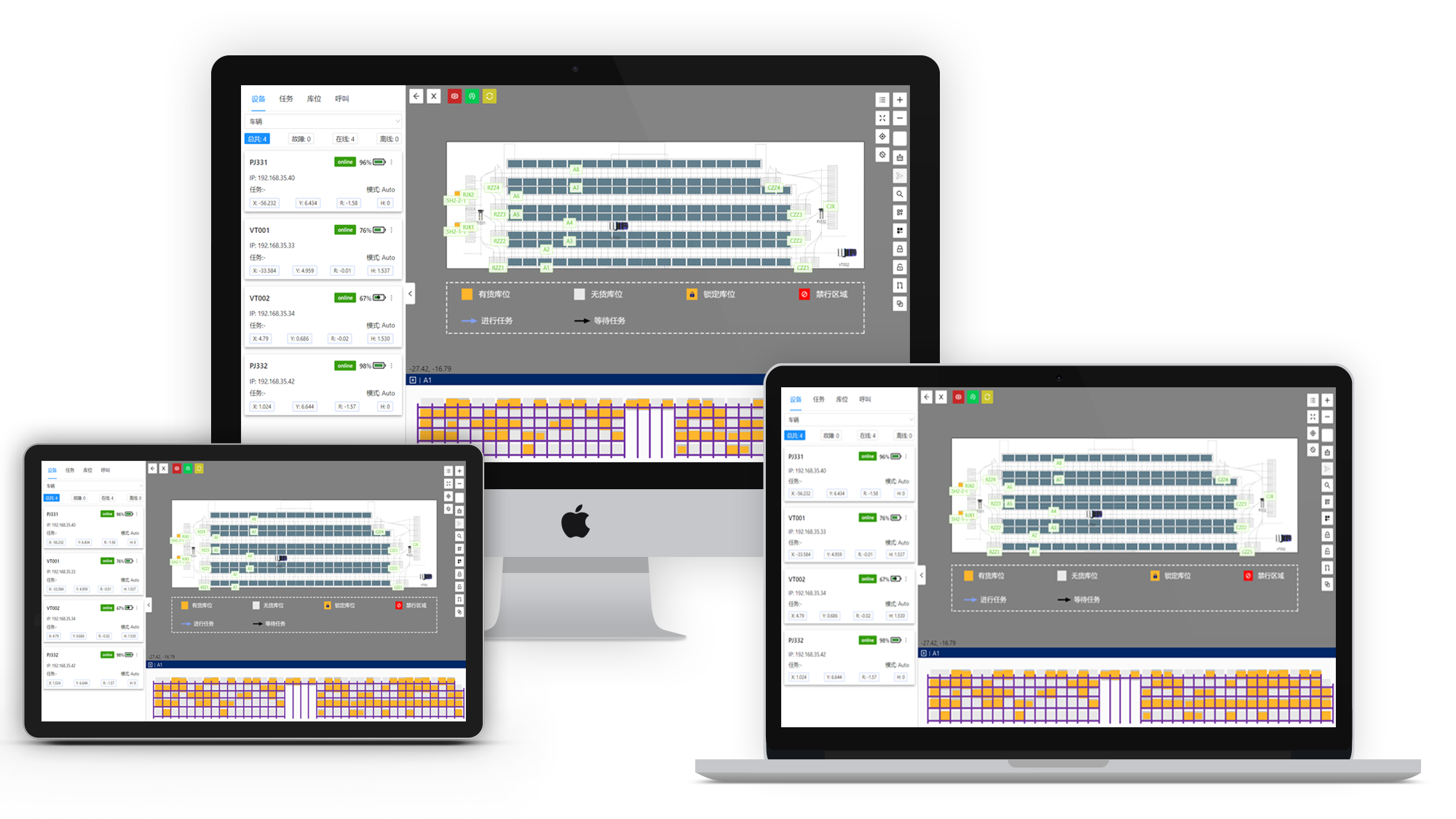
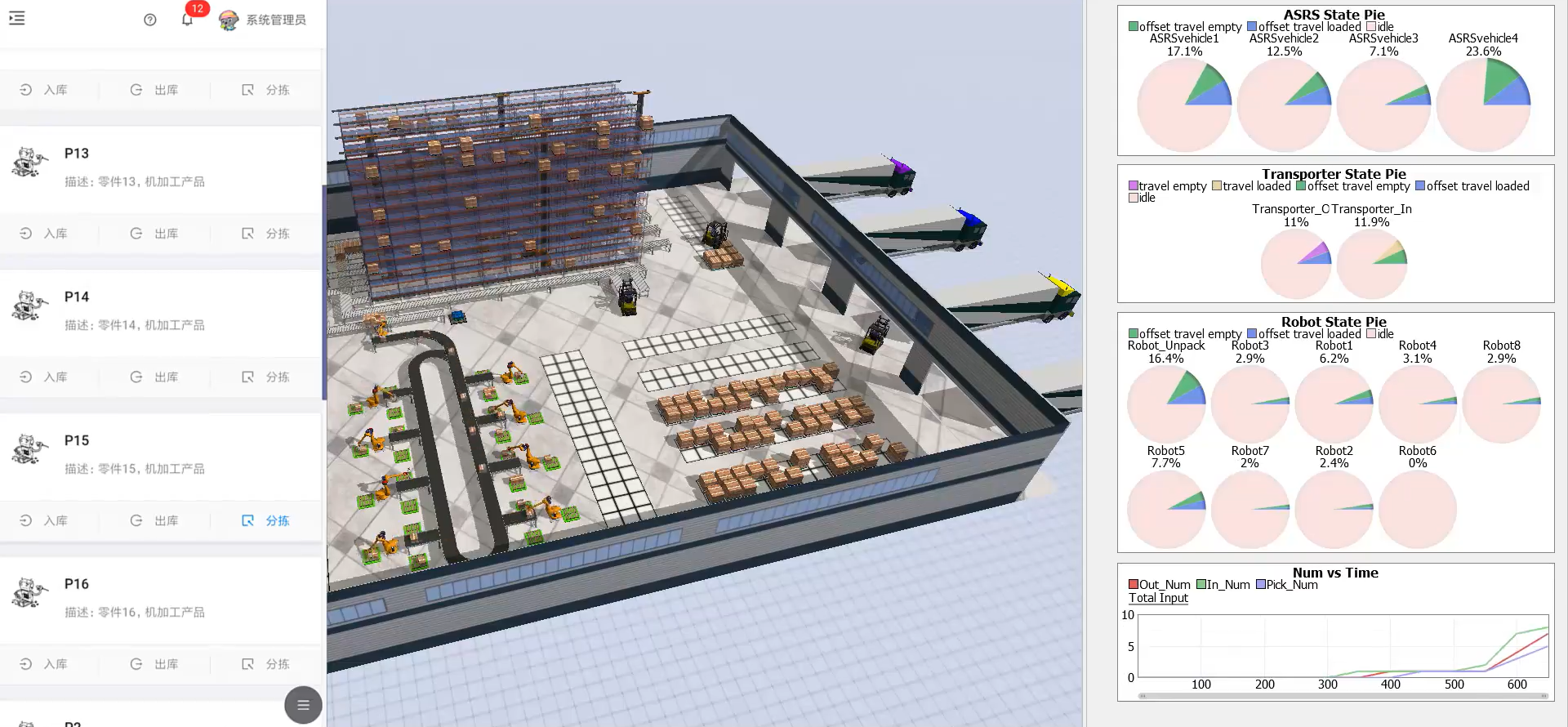
The system connects ERP, MES, WMS, AGV scheduling, RCS, WCS, central dispatch and equipment execution layers. The operator console supports map zoom, inventory search, map switching, equipment management, location status, task management, call management and inventory operations.

Site and network requirements
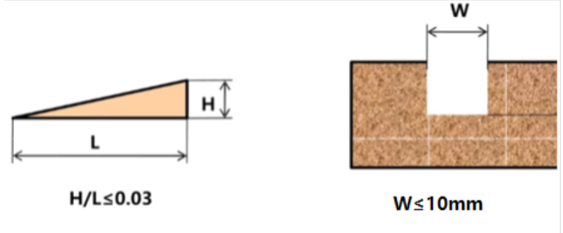
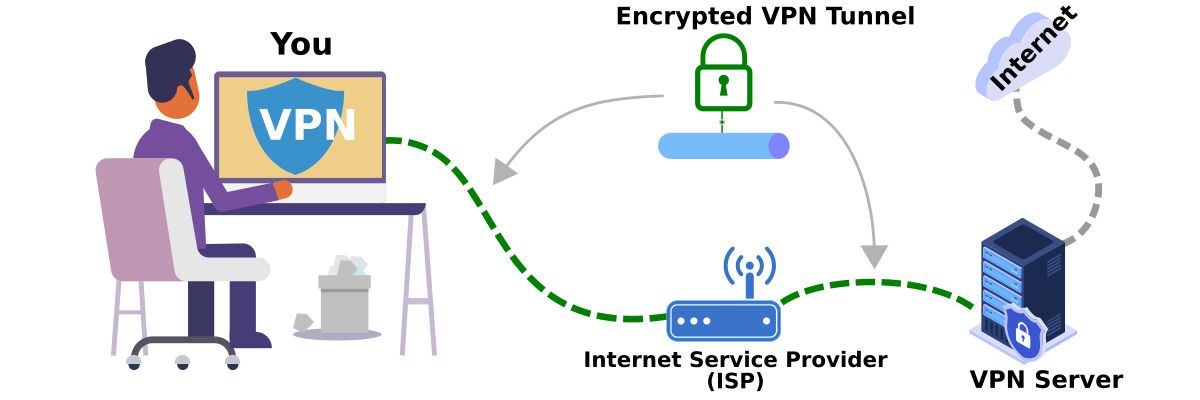
The site requirements include clean and level floors, no damage, no hollowing, no oil or glue contamination, slope no greater than 5%, and flatness within 5 mm per 3 square meters. Wi-Fi requirements include 802.11 protocol support, channel planning and workshop wireless coverage. VPN requirements include external-network access for early server software deployment and reliable remote access for maintenance.
Outcome
Expected benefits
The proposal is designed to automate raw-material delivery and finished-goods transfer, reduce repeated manual transport and coordinate vehicle tasks through a central system. The plan estimates four manual positions can be reduced in the raw-material and finished-goods logistics scope.
Deployment and support
The implementation plan is organized by week, beginning with contract signing, project kickoff, design, procurement, manufacturing, installation, commissioning, trial operation and acceptance.
The service plan states a 30-minute response after receiving after-sales requests. Remote support is attempted first; if remote support cannot resolve the fault, on-site service is planned within 24 hours during the warranty period.
Project Feedback
Share a short review of this case study or tell us what kind of automation project you want to compare it with.
No published reviews yet.