
Inquiries, partnerships, and case study downloads:example@robotlyne.com
Machine-Tending Cell with Composite Robot and Receiving AGV
A machine-tending automation proposal combining a composite robot, receiving AGV, docking table, roller conveyor and electric gripper tooling.
See how we designed this project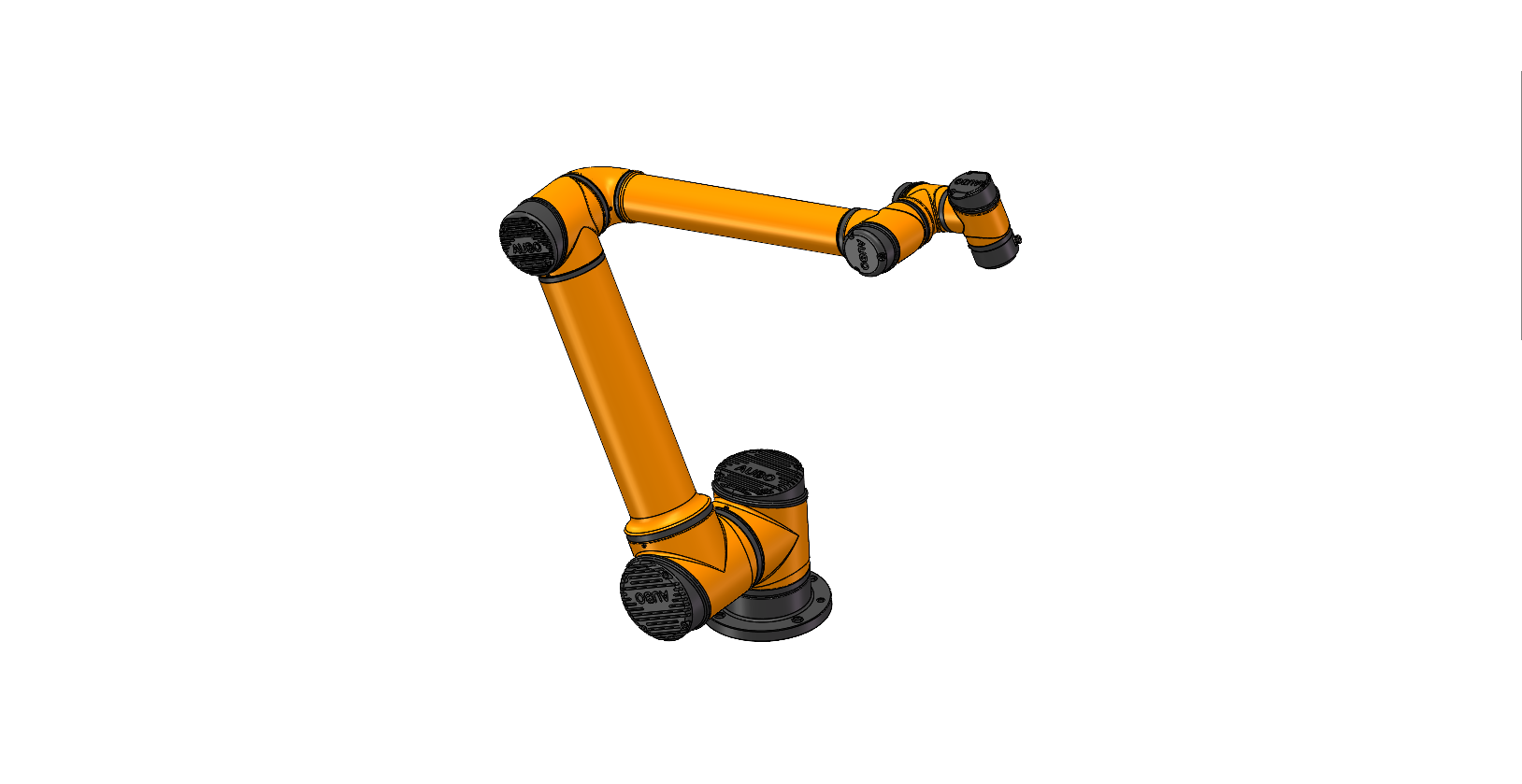
Project Snapshot
- Client Type
- Manufacturing Plant
- Timeline
- Project proposal dated 2025
- Deliverables
- Composite robot machine-tending unit
- Docking table and receiving AGV design
- Roller conveyor and safety component plan
- End-effector and electric gripper tooling
Background
Company and project context
The source proposal introduces an automation equipment solution for machine tending and material transfer. It focuses on a composite robot, docking table, receiving AGV, conveyor components and end-effector tooling.
The proposal positions the supplier as an automation equipment manufacturer with experience in NTC sensor assembly machines, wire cutting and arraying machines, welding machines, tape wrapping machines, shell insertion, potting machines, vacuum mixing machines, dispensing machines and related non-standard automation equipment.
Equipment overview
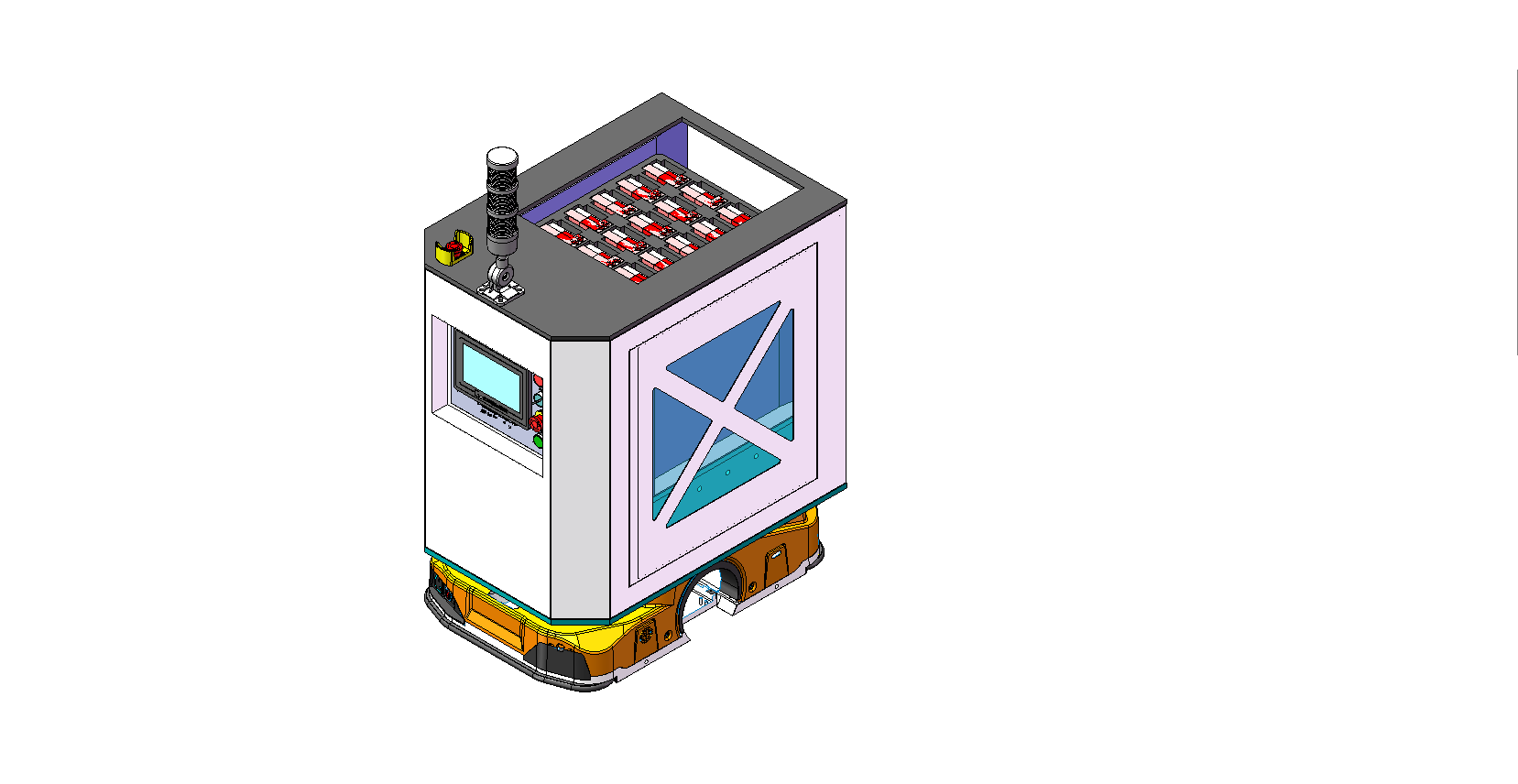
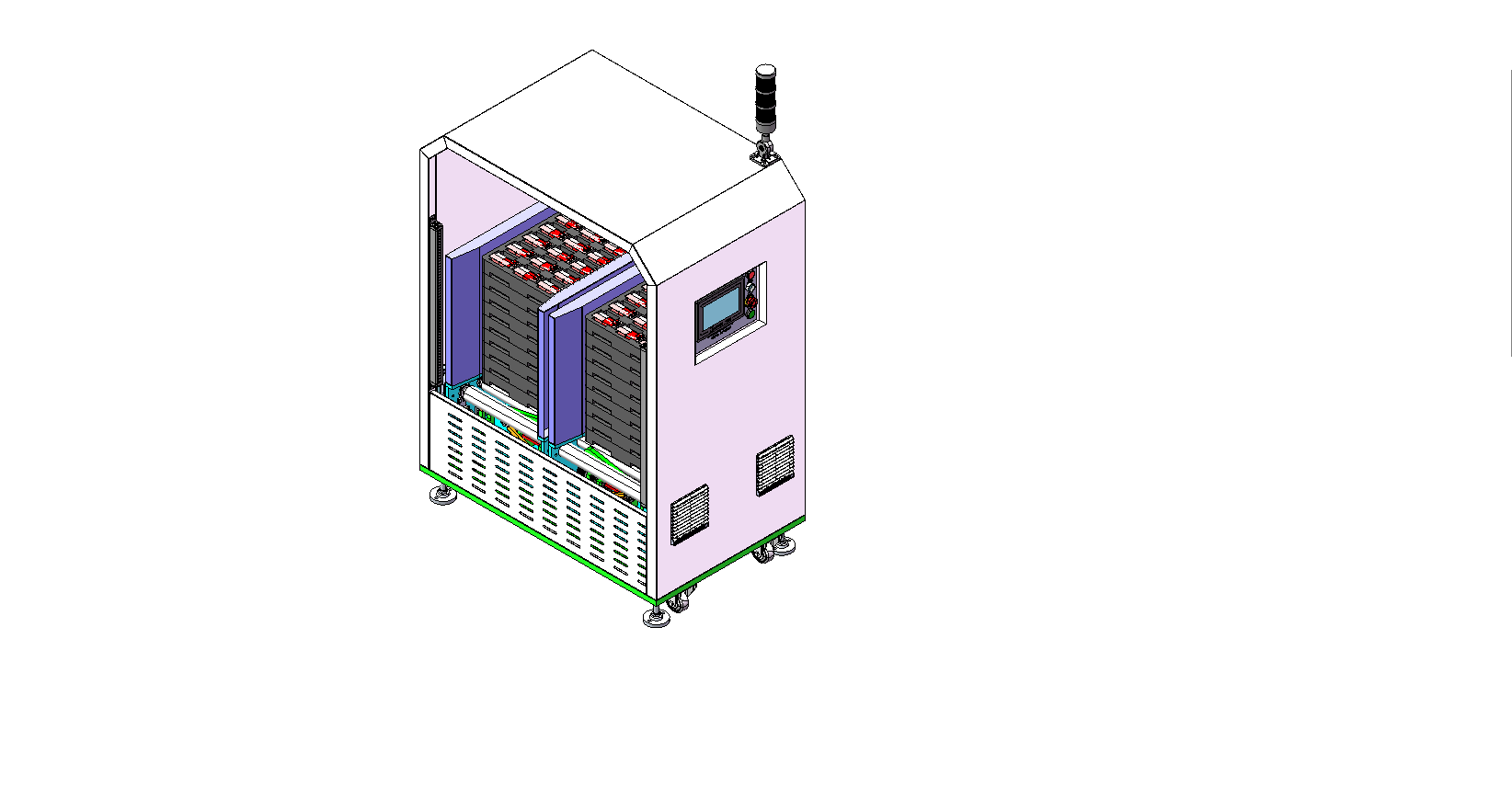
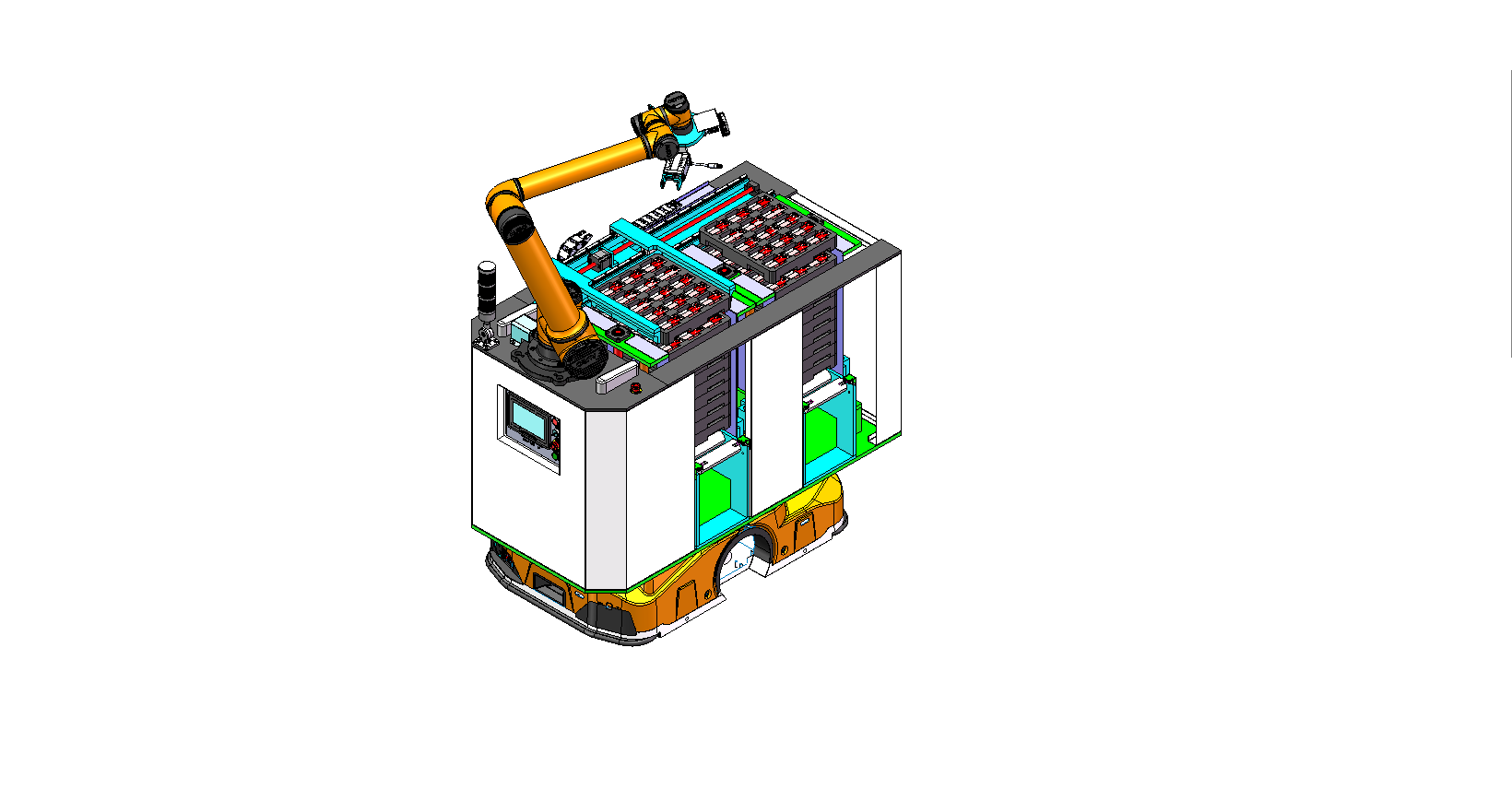
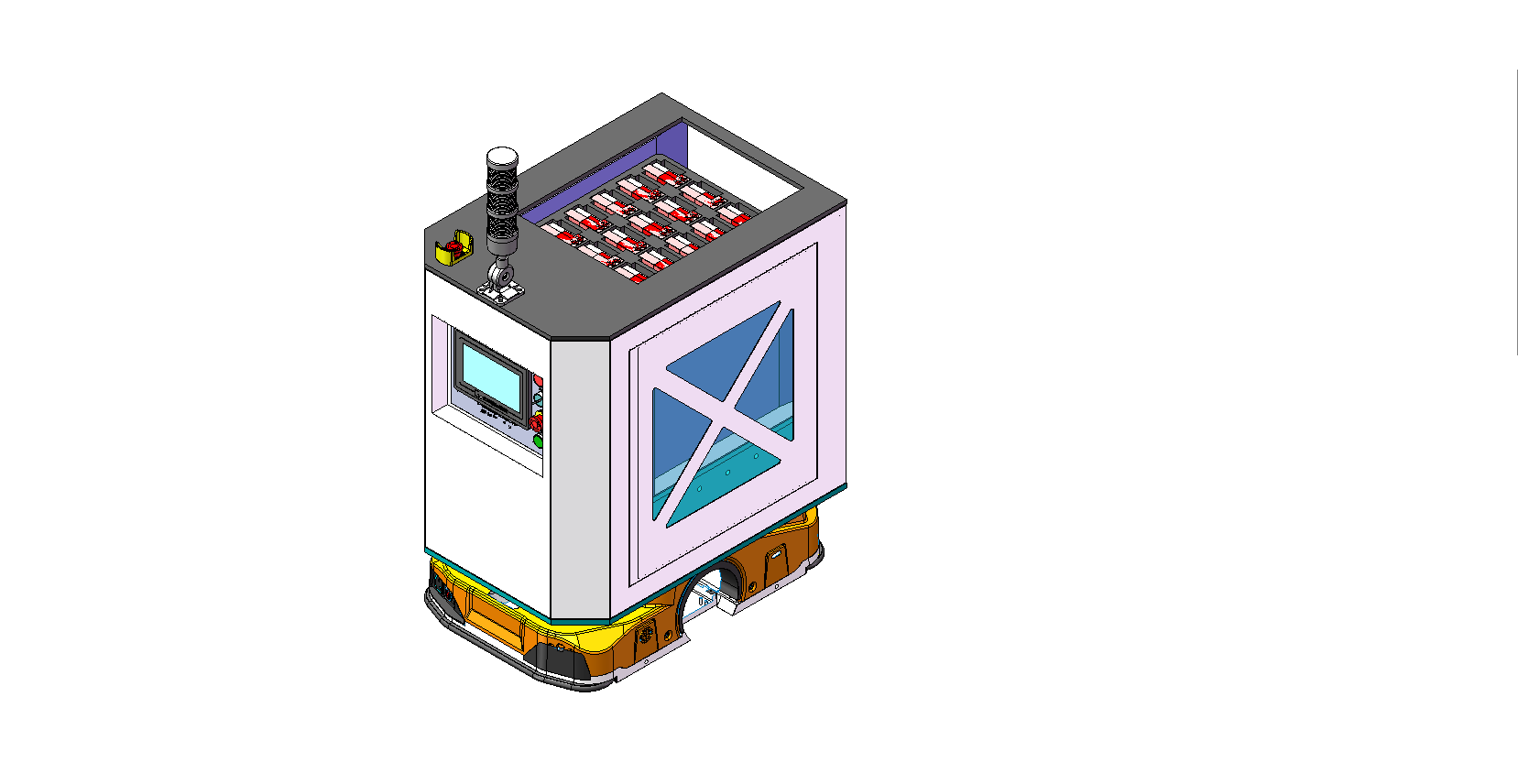
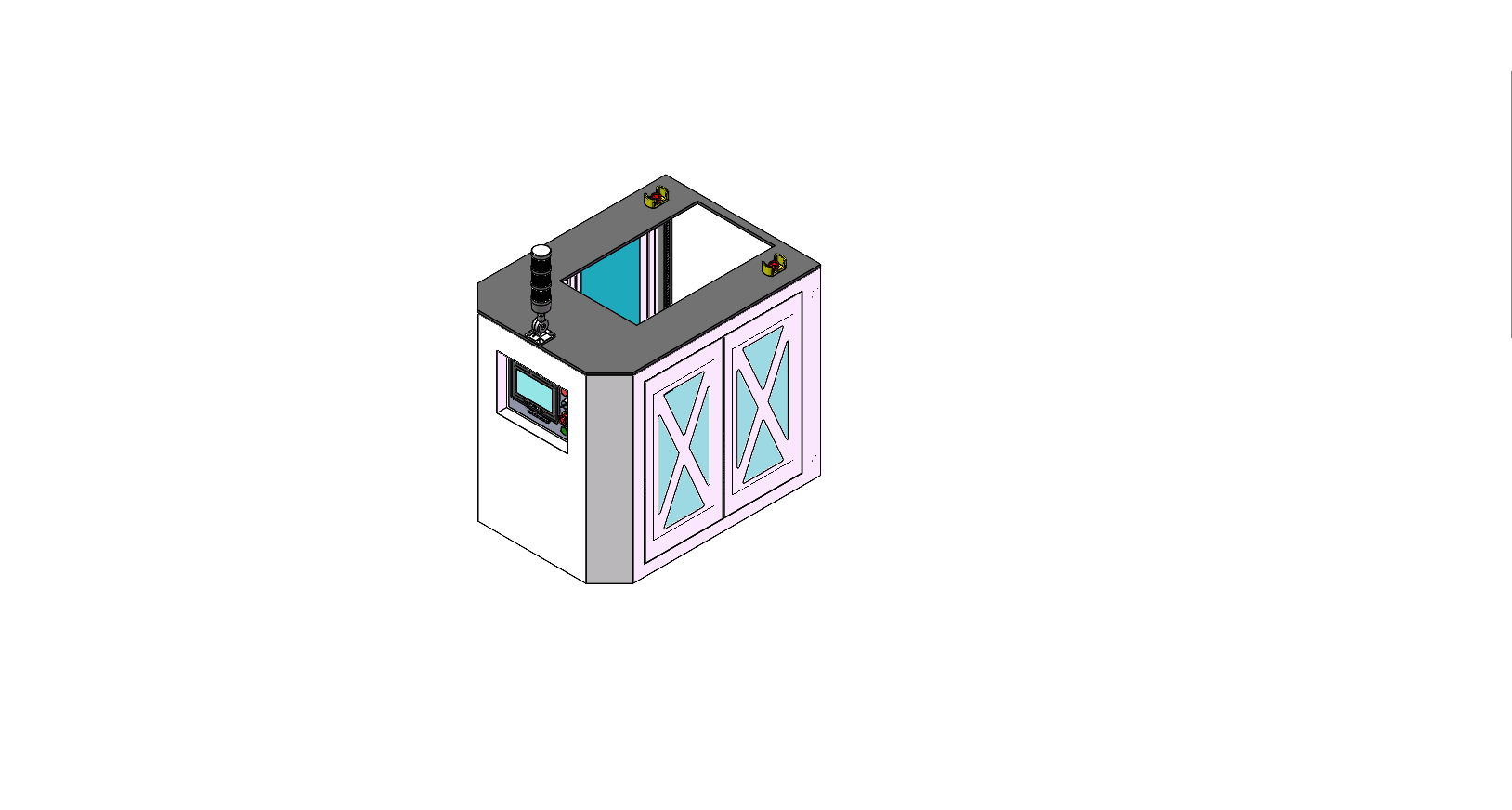
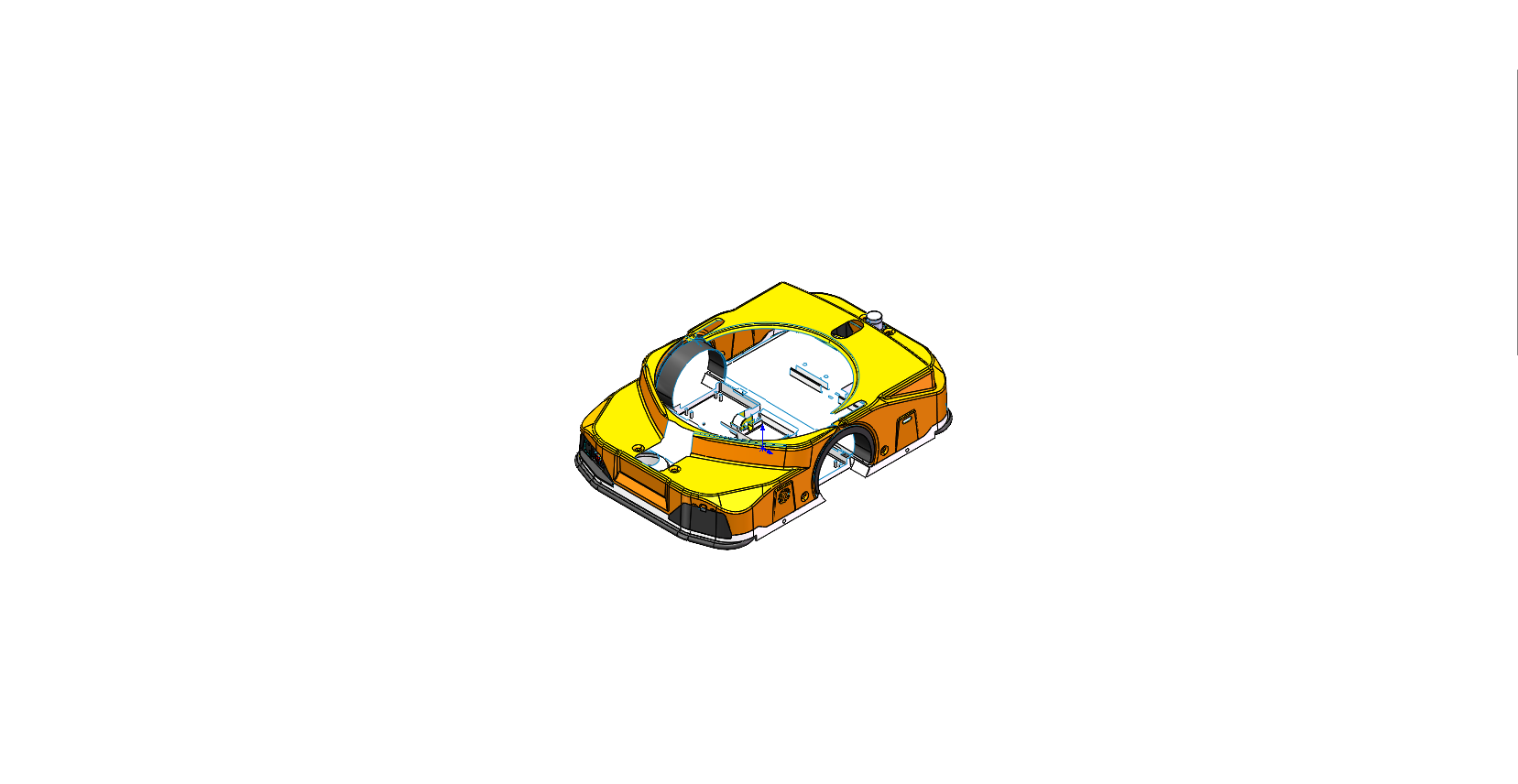
The equipment appearance section identifies three main units: docking table, composite robot and receiving AGV.
Challenge
Component integration
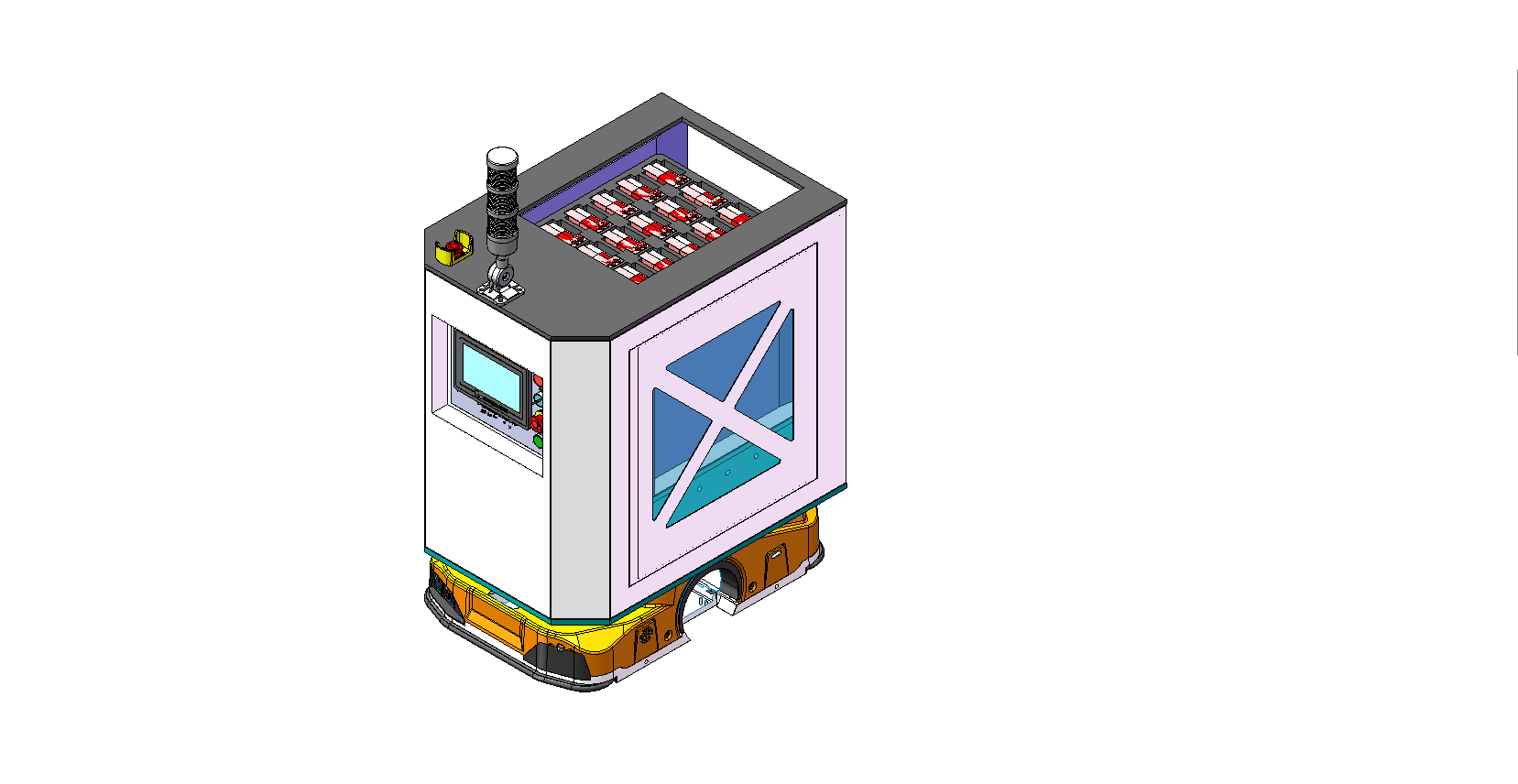
The cell needs to combine safety, transfer, operator interface and robot motion into one machine-tending flow. The component list includes alarm lights, emergency-stop buttons, safety light curtains and roller conveyor modules.
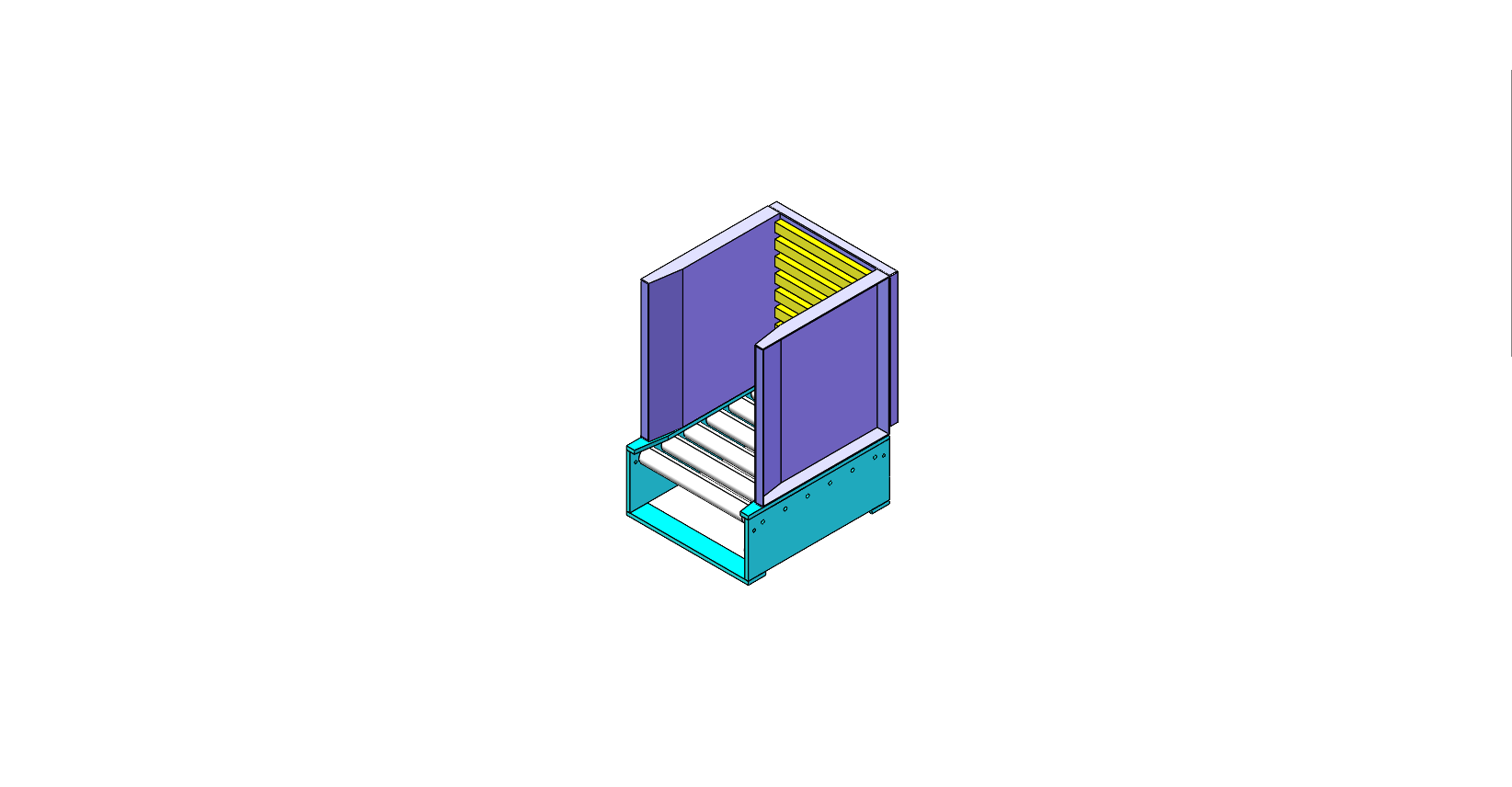
The receiving AGV must receive raw materials from the AGV side, receive processed material from the composite robot and coordinate transfer between the robot and docking table. The docking table must support human-machine interface operation, enclosure structure and roller conveyor transfer.
Approach
Receiving AGV
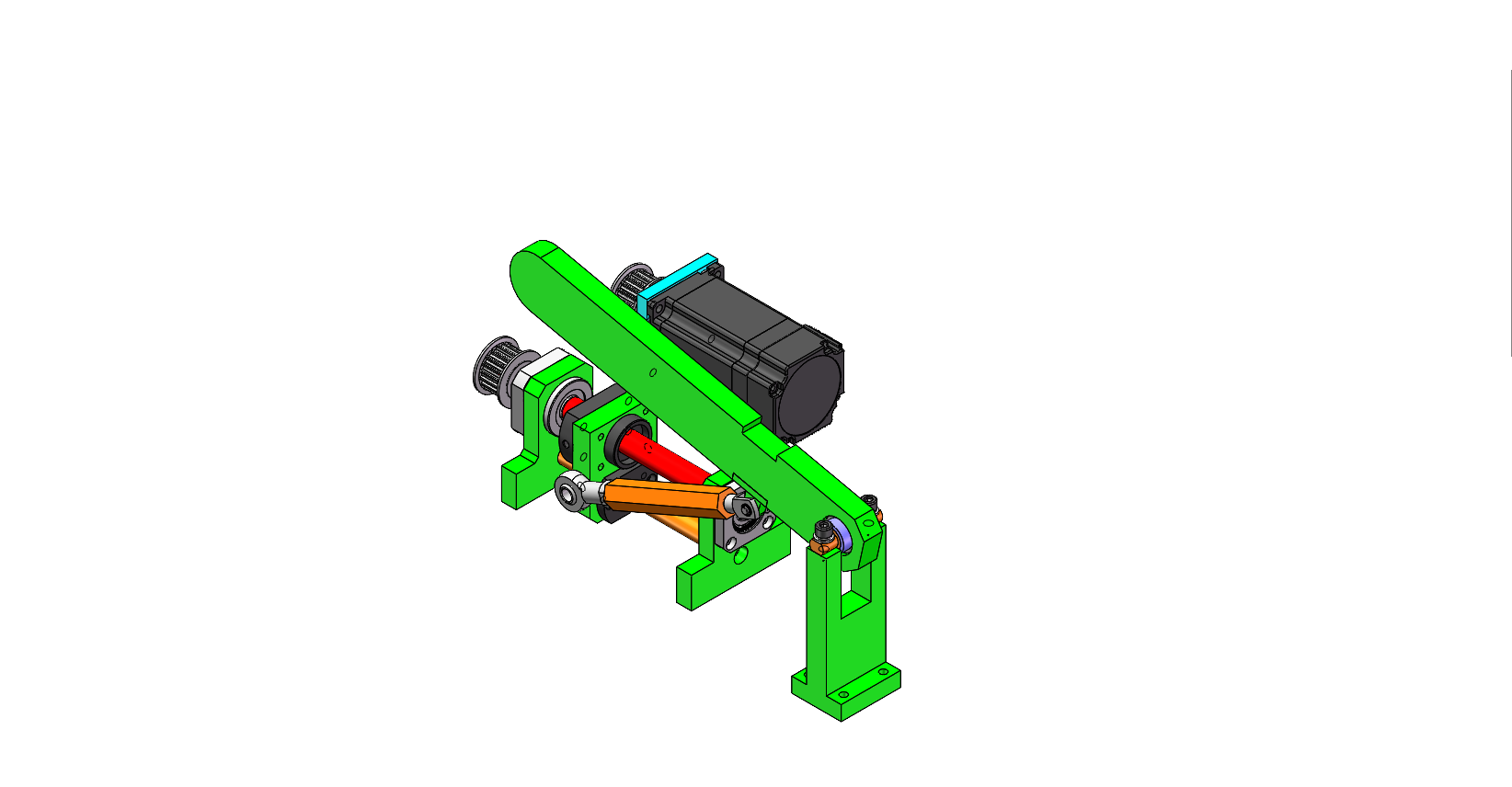
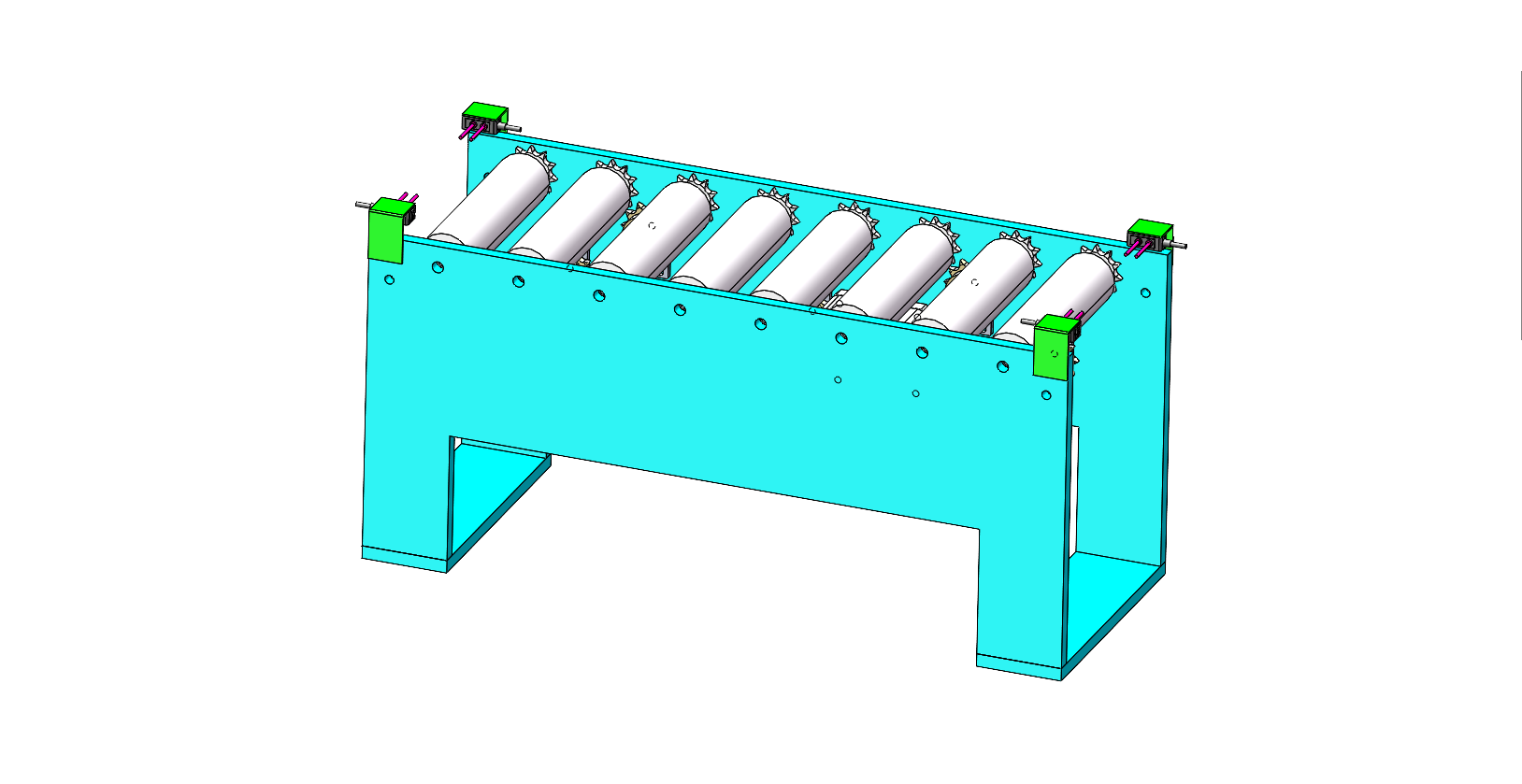
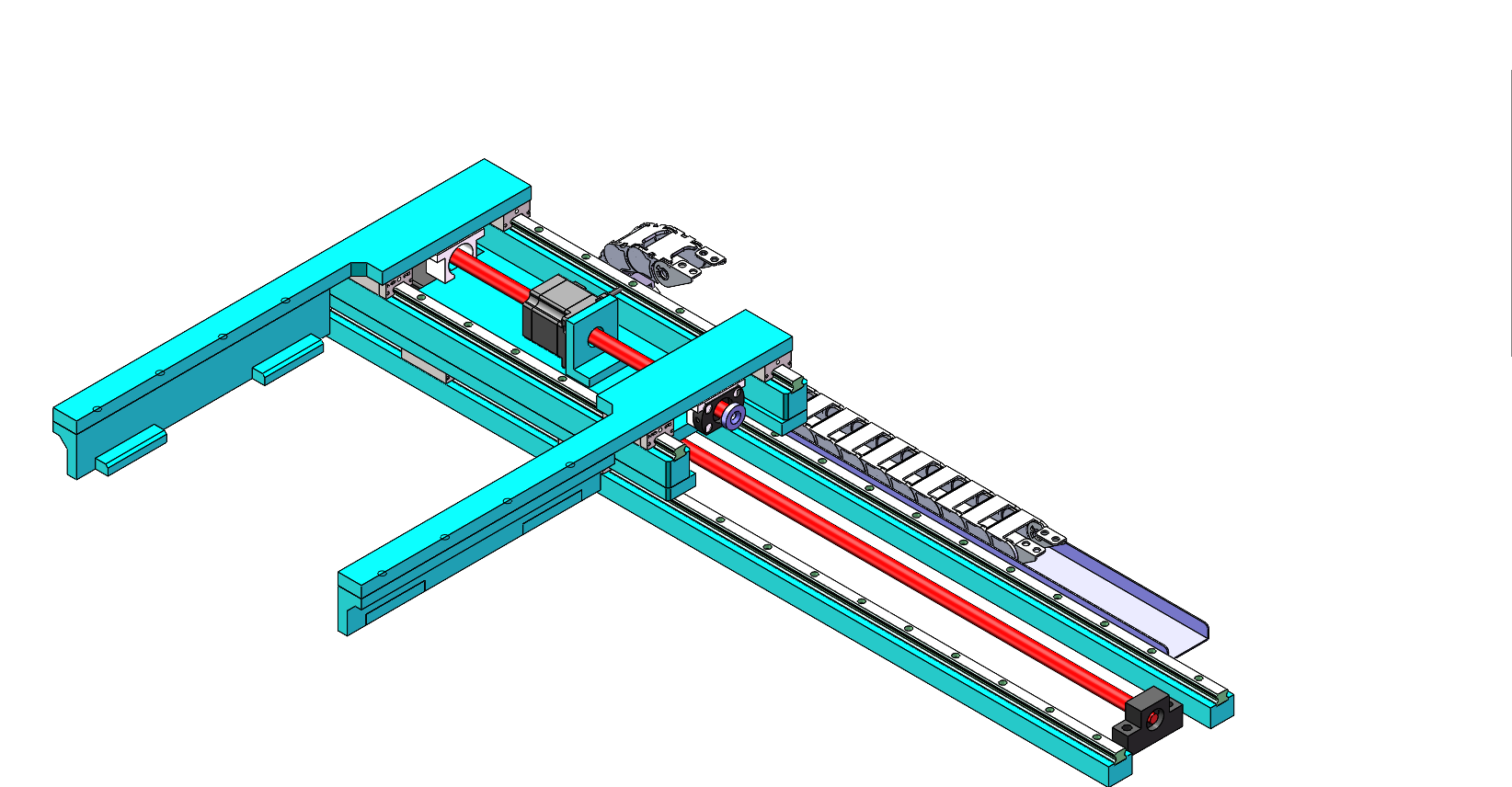
The receiving AGV has a stated equipment size of 800 x 500 x 1,000 mm. Its functions include receiving raw material from the AGV, receiving processed material from the composite robot and supporting roller transfer. The roller conveyor load capacity is 200 kg, and conveyor speed is adjustable.
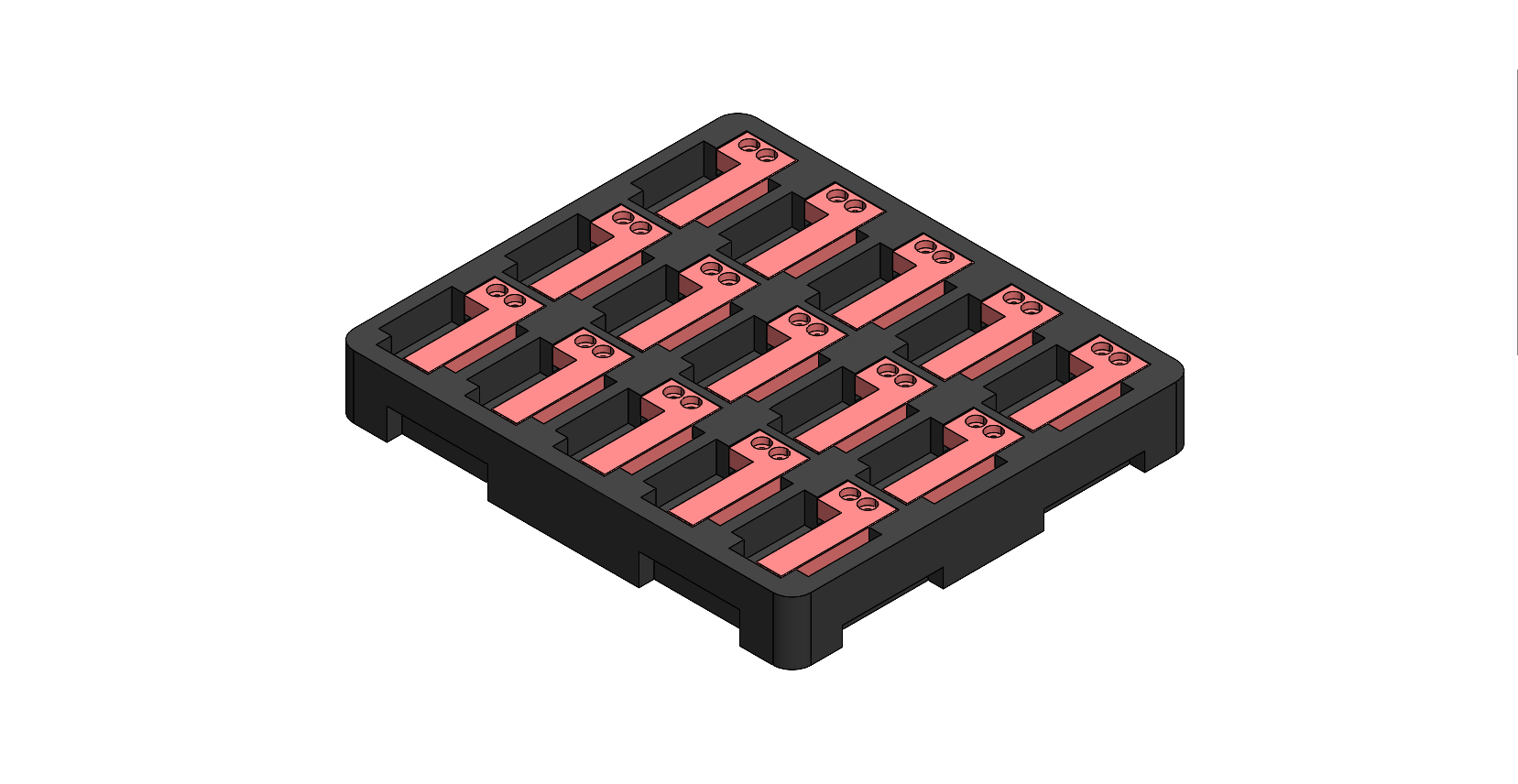
Docking table
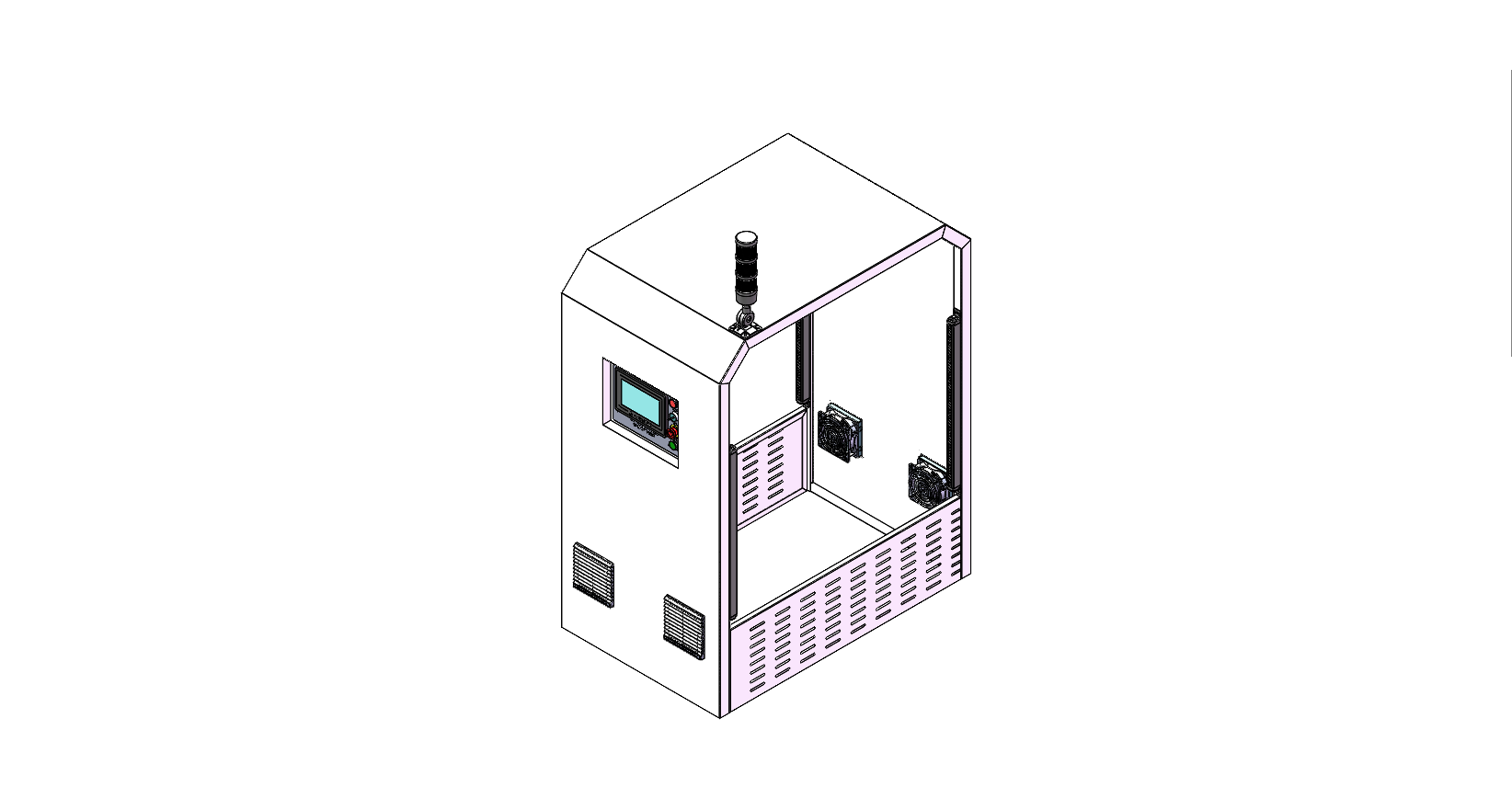
The docking table section includes a touch screen, HMI, enclosure and roller conveyor. The stated equipment size is 1,000 x 650 x 1,500 mm. It receives processed material from the docking table and transfers it to other areas, while also moving raw material from other areas to the docking table.
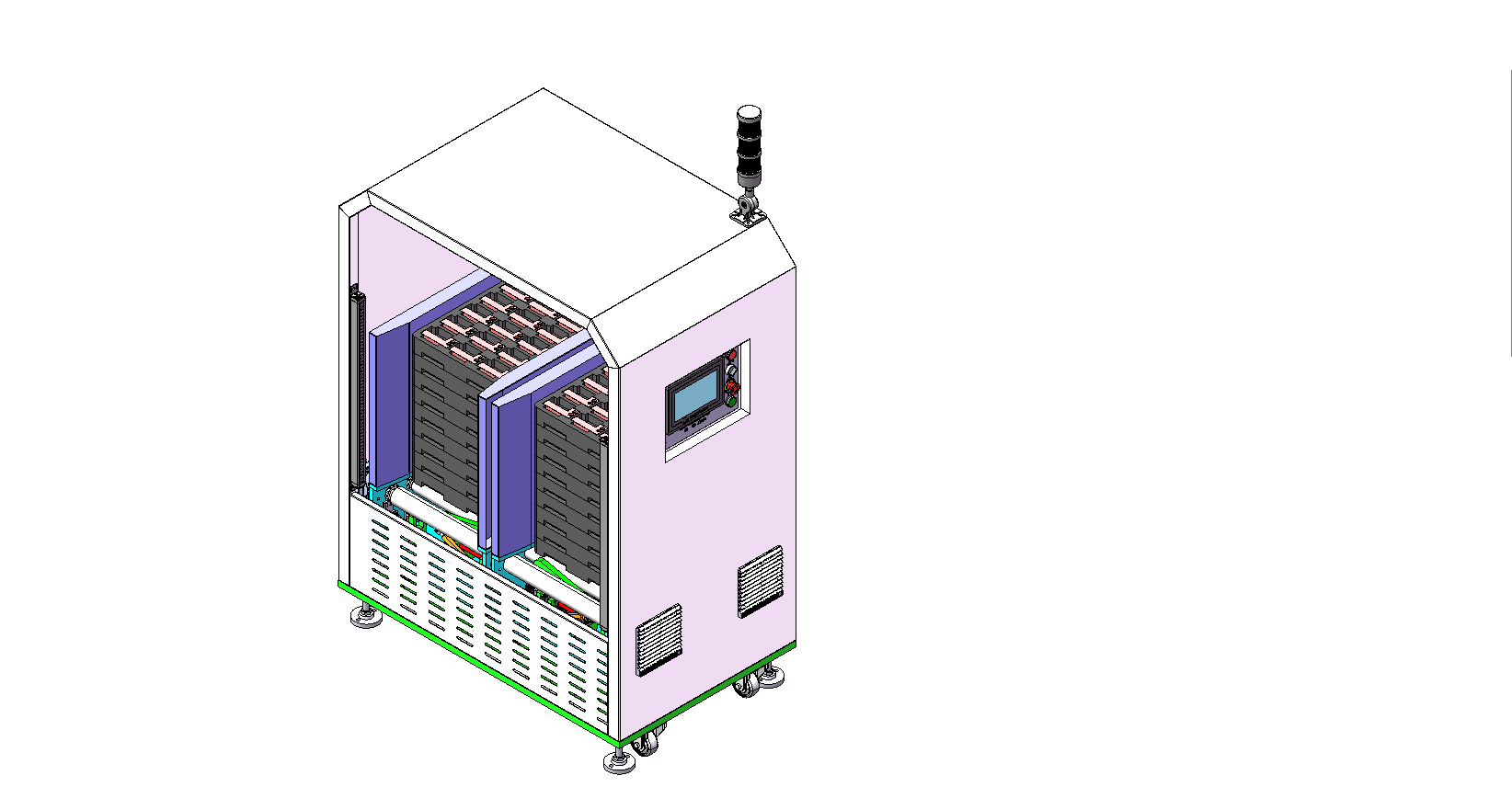
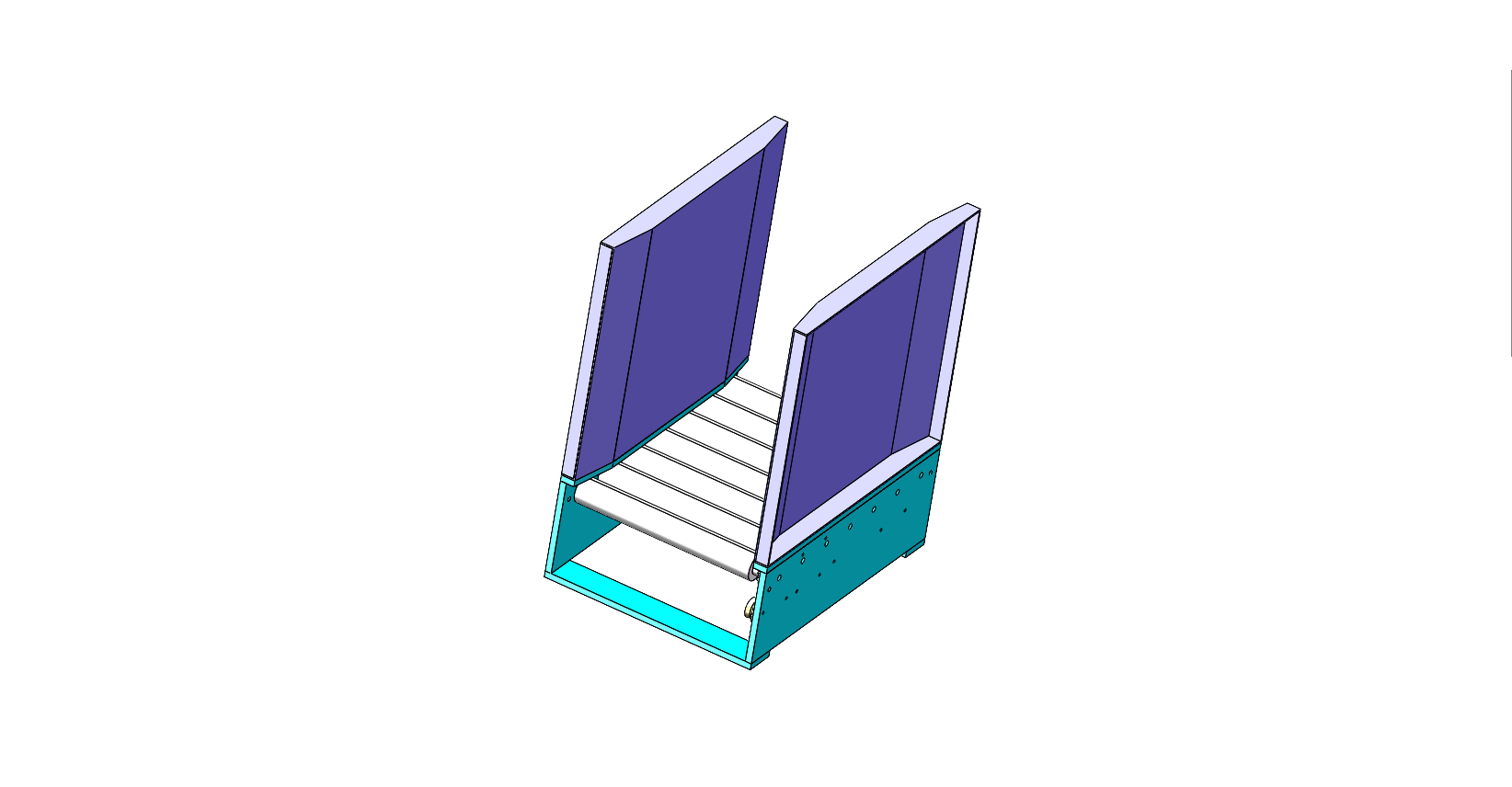
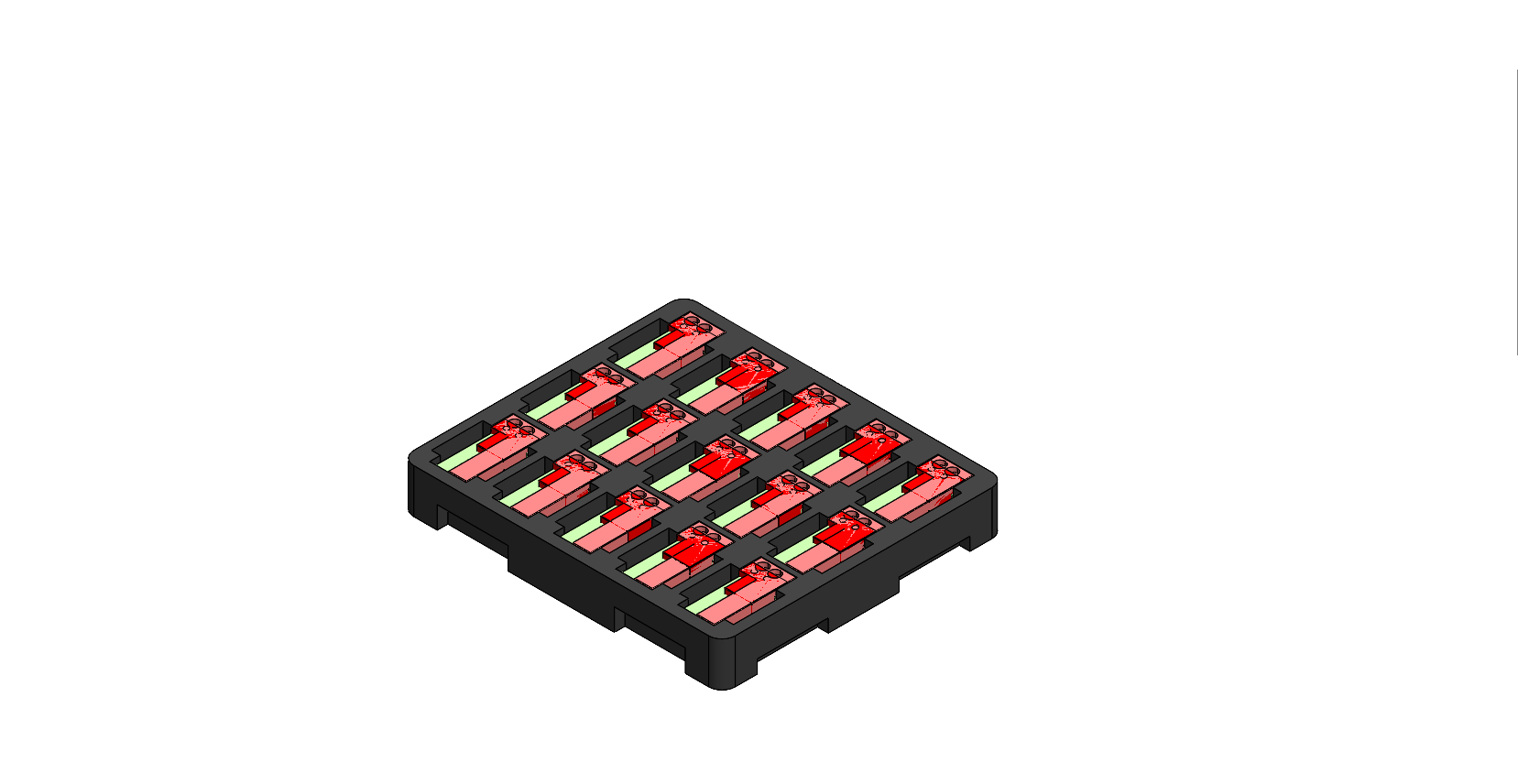
Composite robot
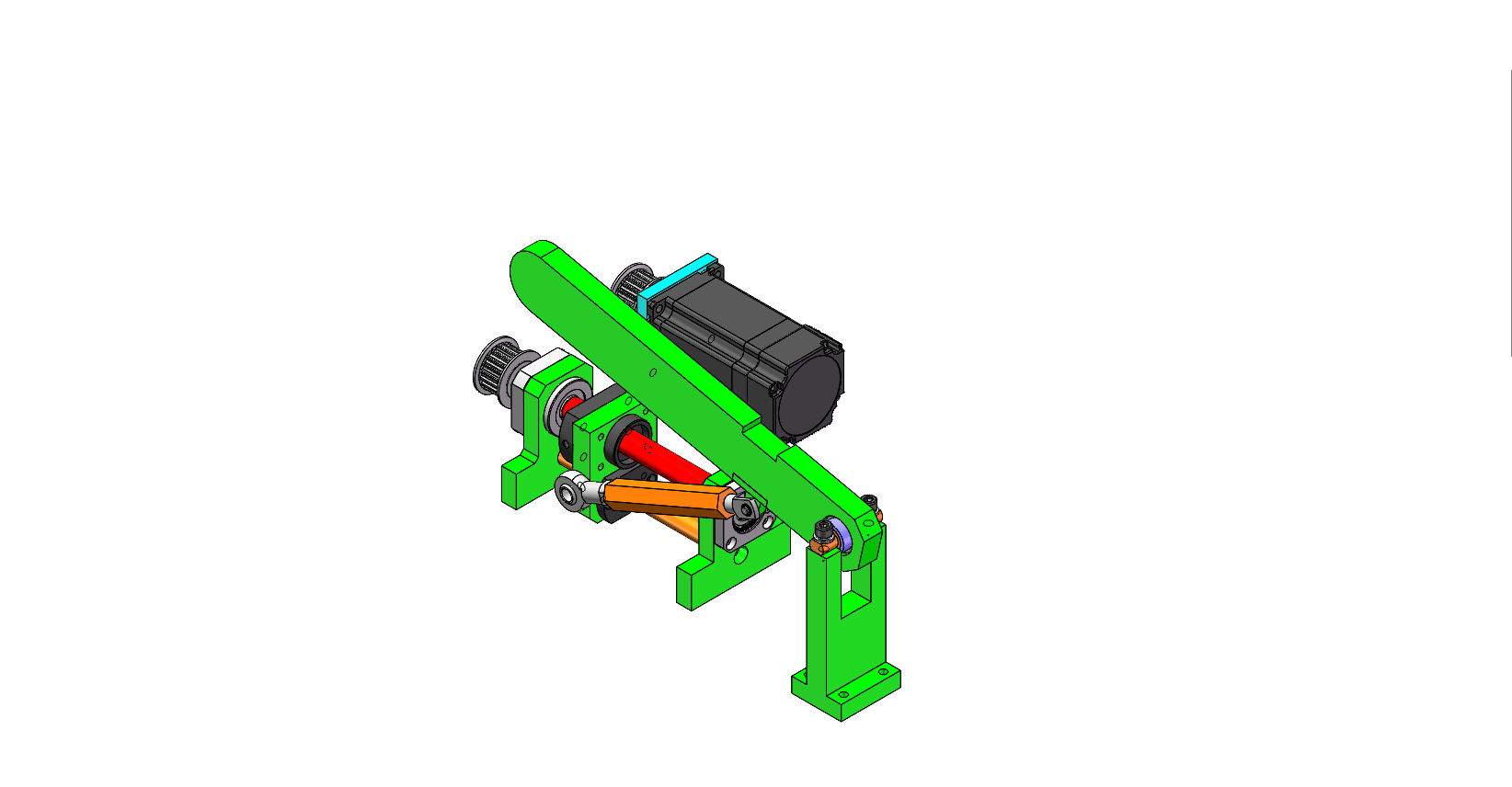
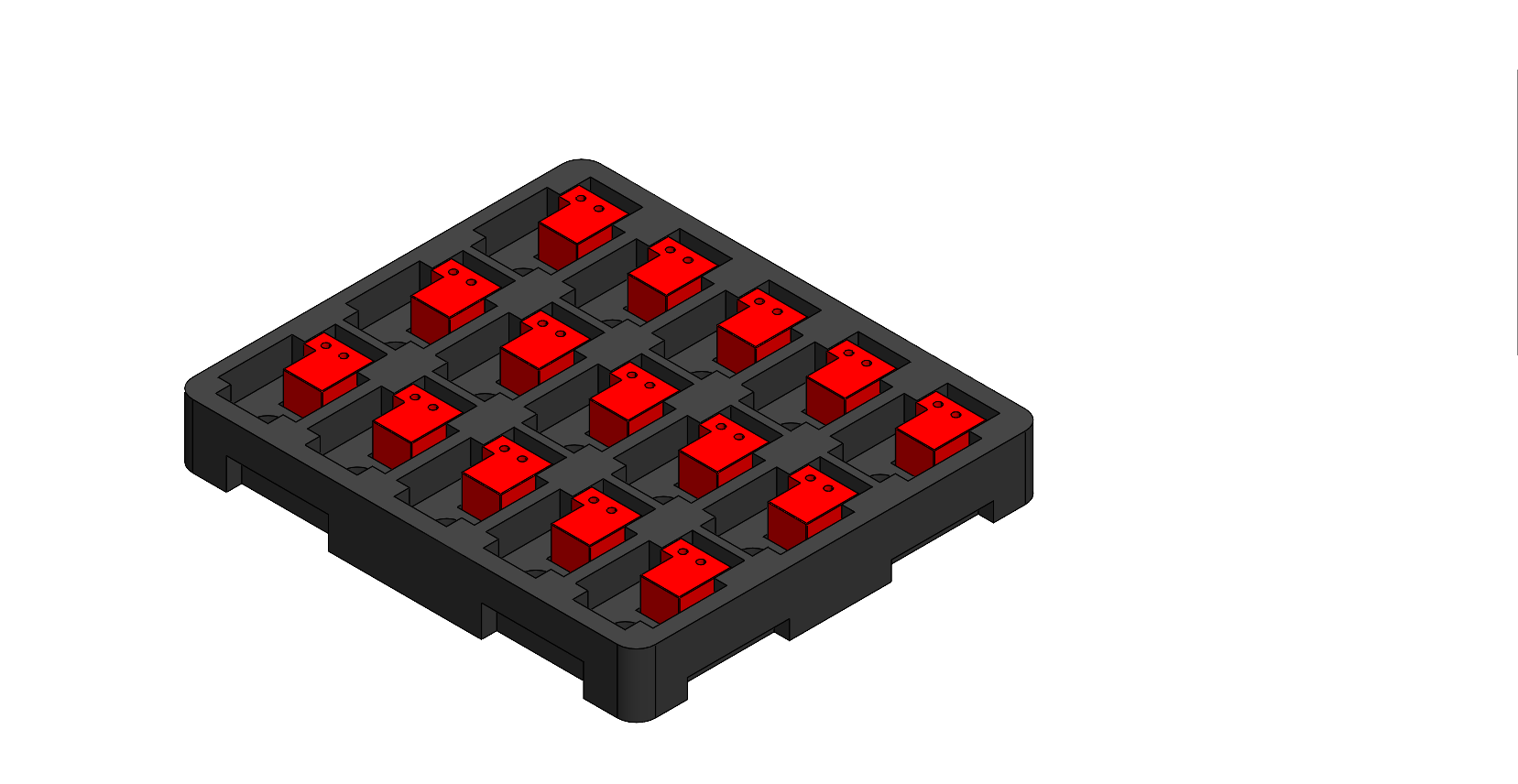
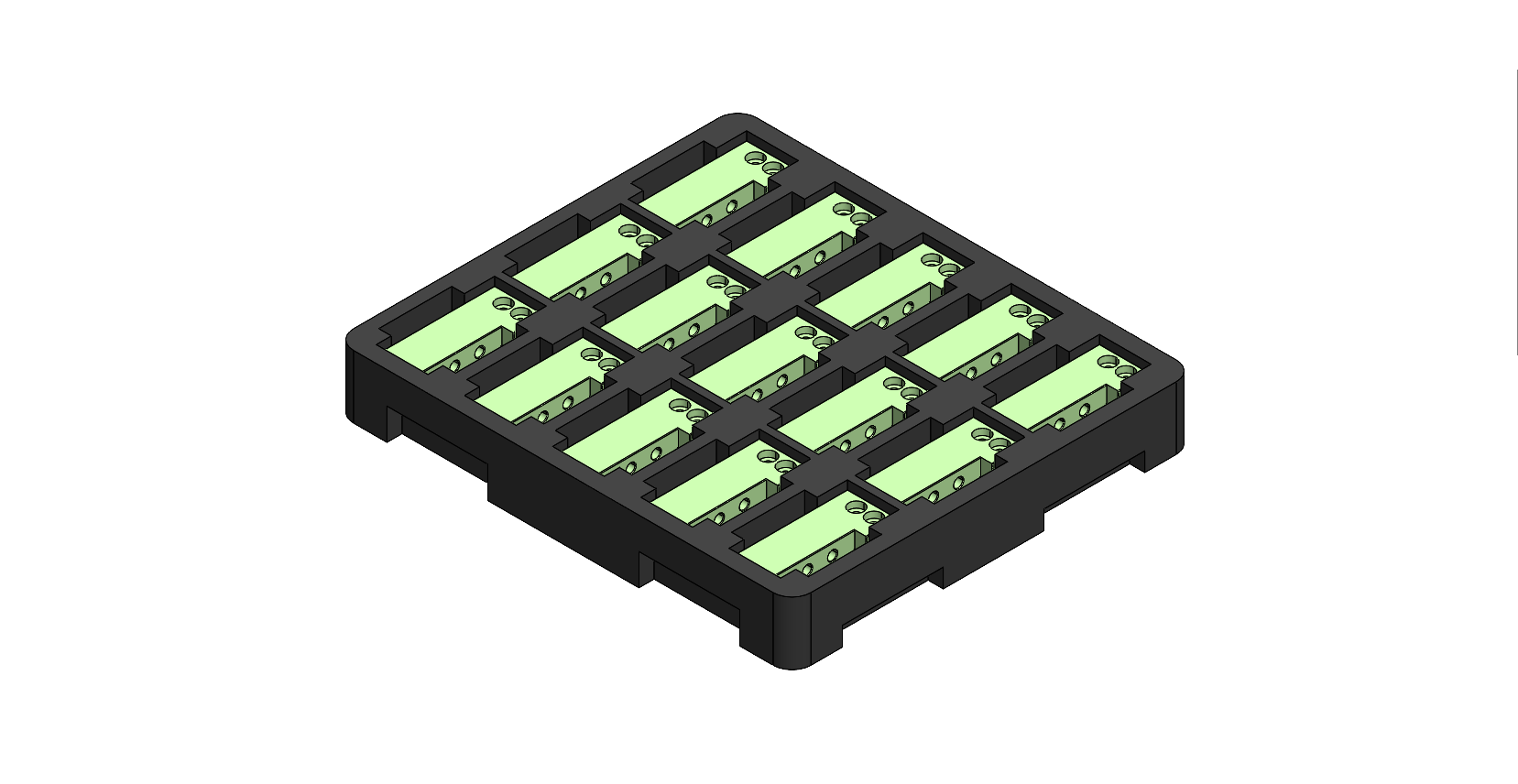
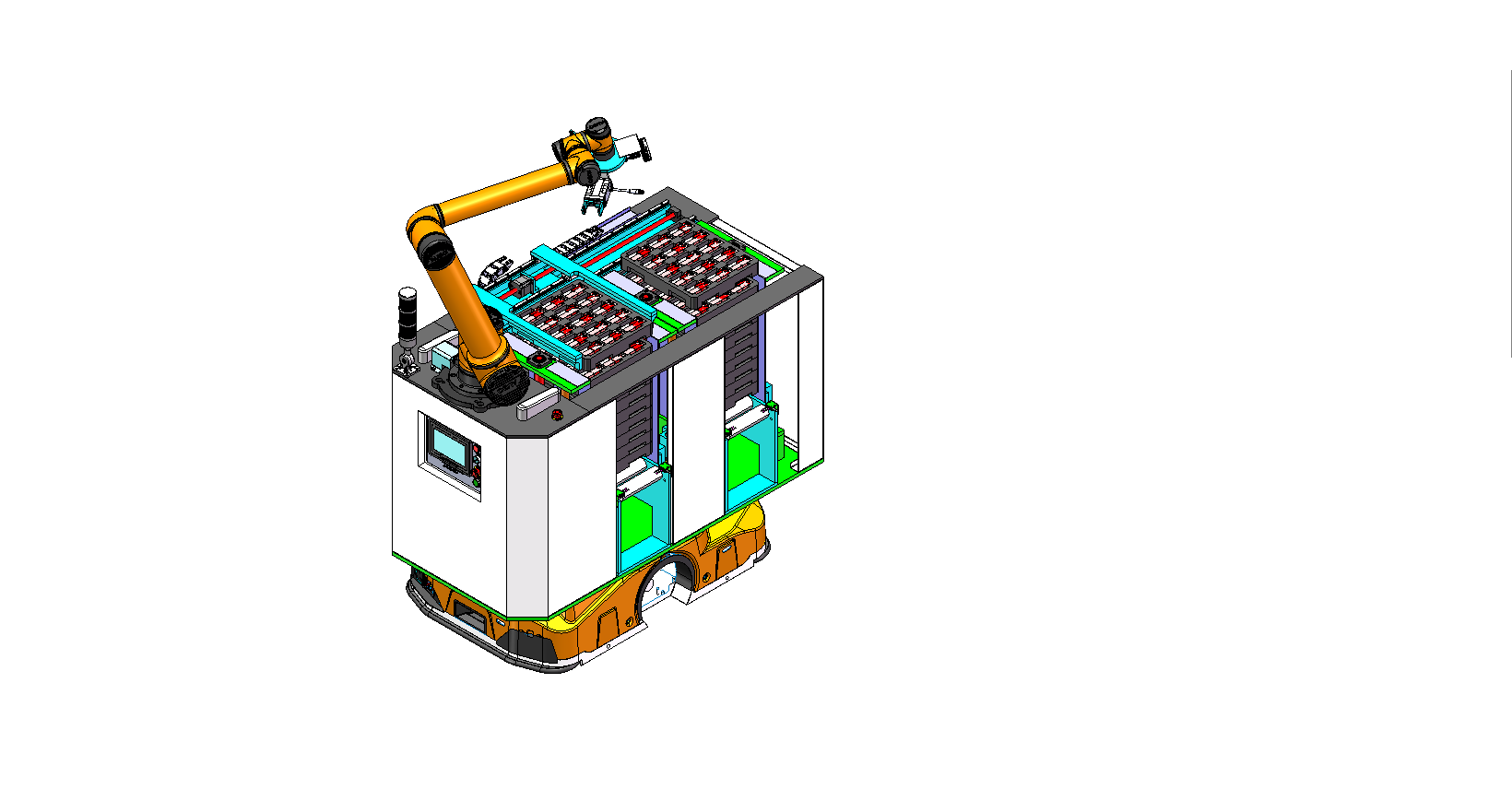
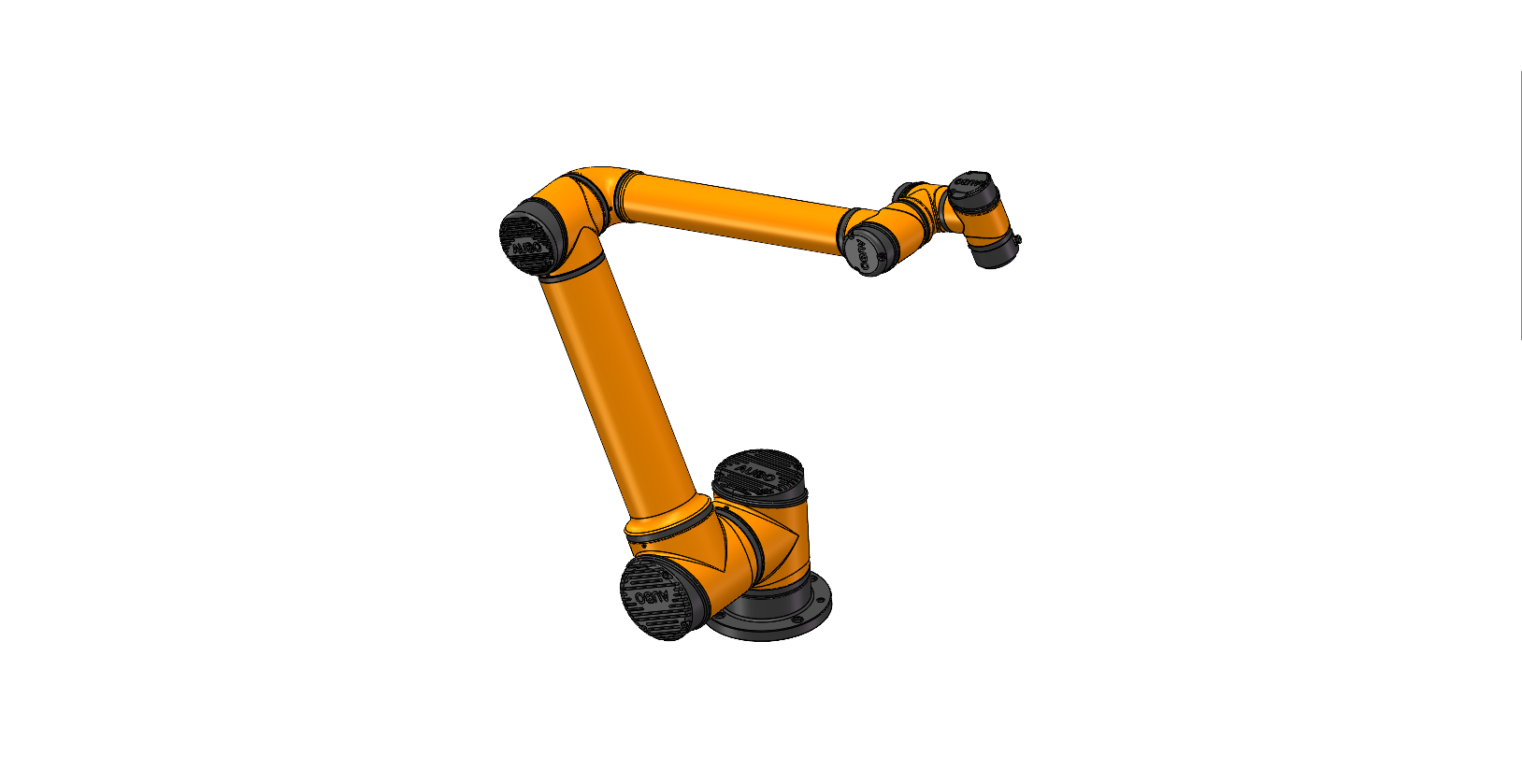
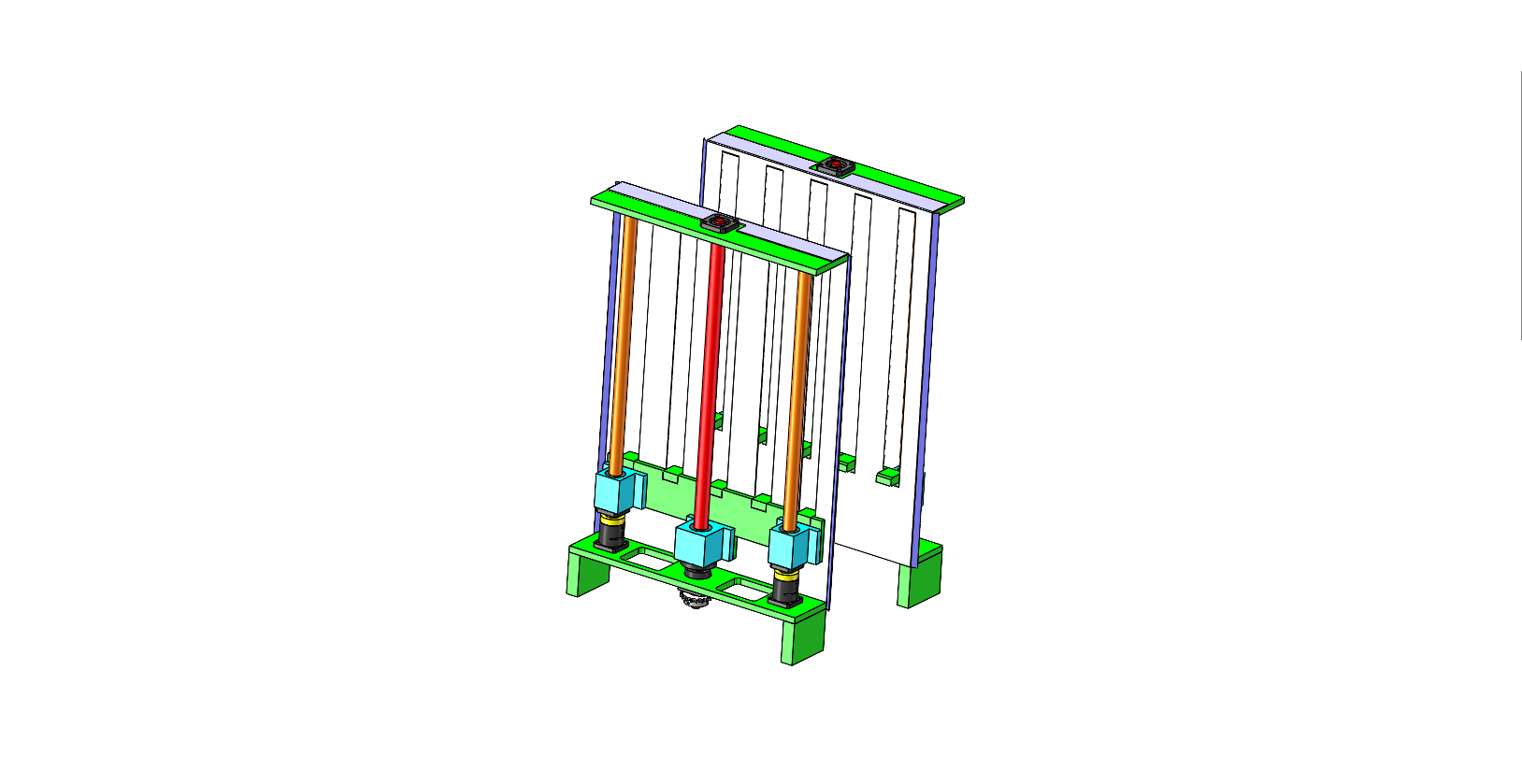
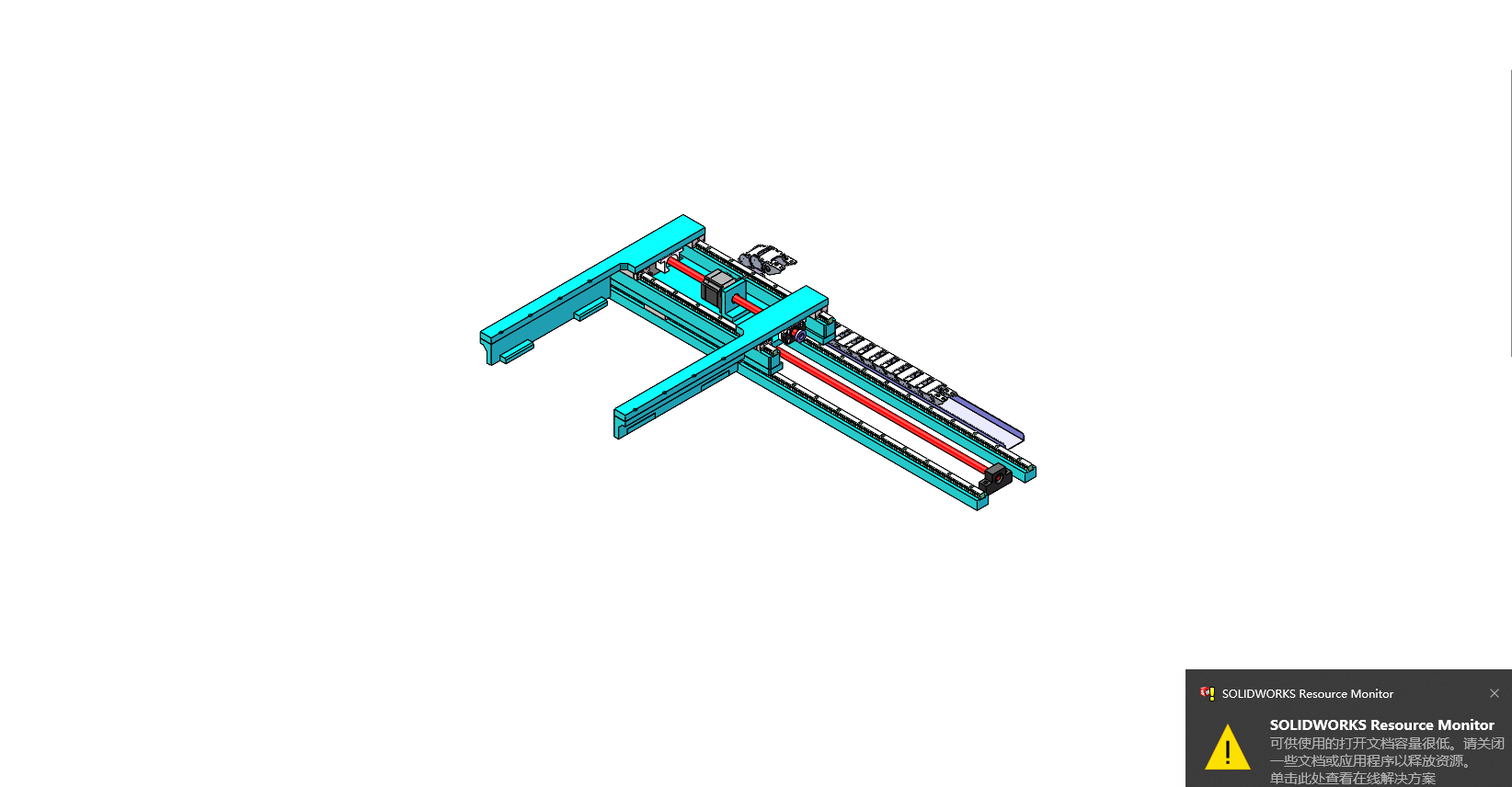
The composite robot section includes a collaborative robot, end-effector, lifting mechanism and support tooling. The stated equipment size is 1,450 x 750 x 1,250 mm. Its function is to transfer raw material to the machine tool for processing, remove processed material from the machine, place it onto trays, transfer loaded trays to the docking table and pick raw material from the docking table.
End-effector tooling
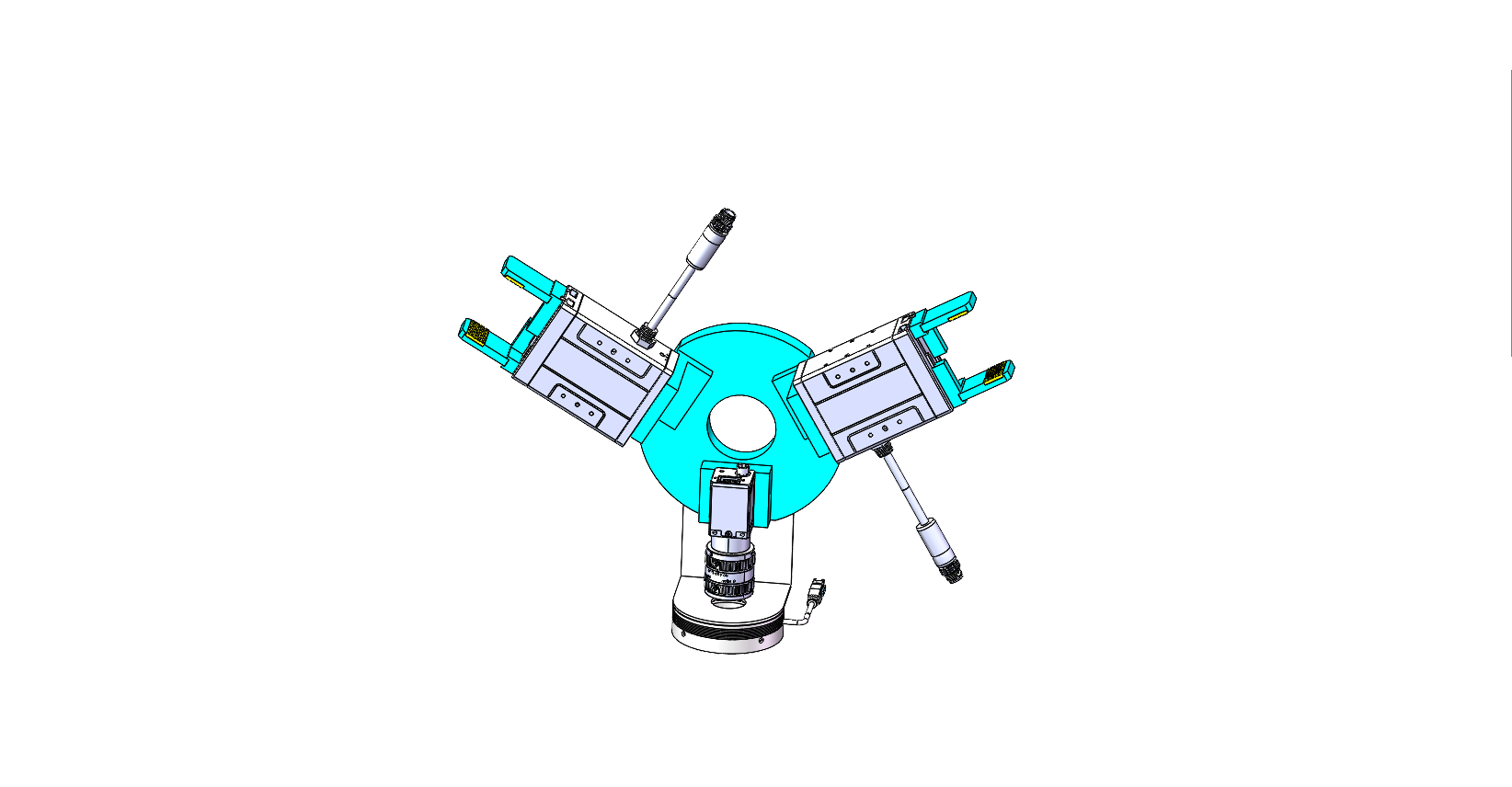
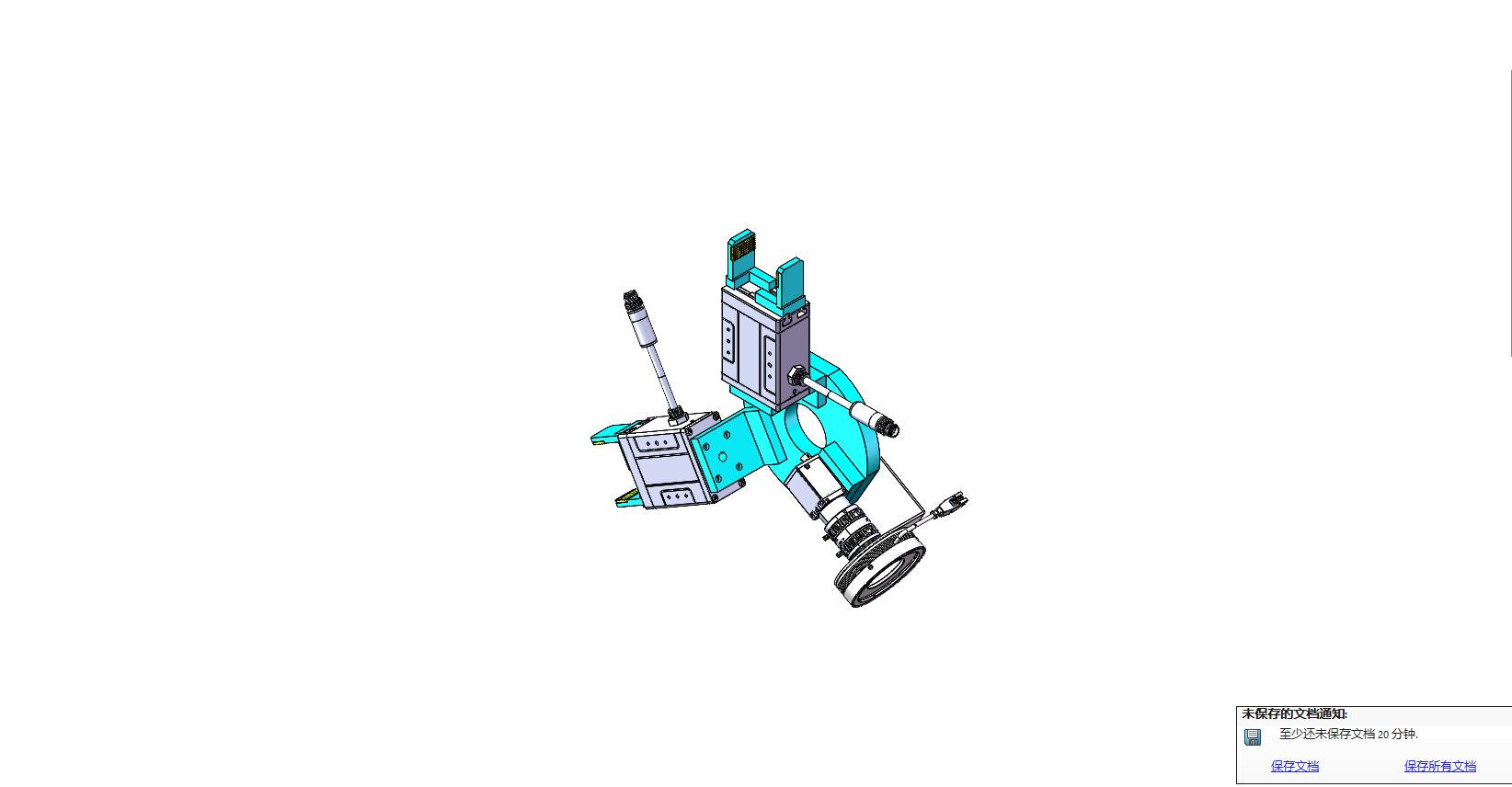
The end-effector section includes electric grippers and EPDM-related tooling. The gripper tooling is used for material pickup and transfer in the composite robot handling cycle.
Outcome
Proposed cell value
The proposed cell combines docking, AGV receiving, roller transfer, machine tending and gripper tooling in one coordinated automation unit. It reduces repeated manual handling around the machine tool and creates a clearer transfer route from raw-material pickup through processing and processed-material return.
Automation scope
The scope includes safety components, HMI operation, roller conveyors, receiving AGV, composite robot, lifting mechanism and electric gripper tooling. The result is a compact machine-tending automation plan suitable for production scenarios that need robot-machine interaction and material transfer between processing equipment and logistics equipment.
Project Feedback
Share a short review of this case study or tell us what kind of automation project you want to compare it with.
No published reviews yet.