
Inquiries, partnerships, and case study downloads:example@robotlyne.com
Four-Line Workshop AGV Roller Logistics System
A line-side logistics design for a four-line workshop, using AGV Roller vehicles, buffer positions and SRD API dispatch to automate material flow and production-test data collection.
Project Snapshot
- Client Type
- Electronics Manufacturing Plant
- Timeline
- Project plan dated 2026-03
- Deliverables
- Four-line workshop logistics concept
- Phase-one single-line transformation plan
- Roller AGV line-side docking flow
- Production-test data collection and dispatch integration
Background
Project scope
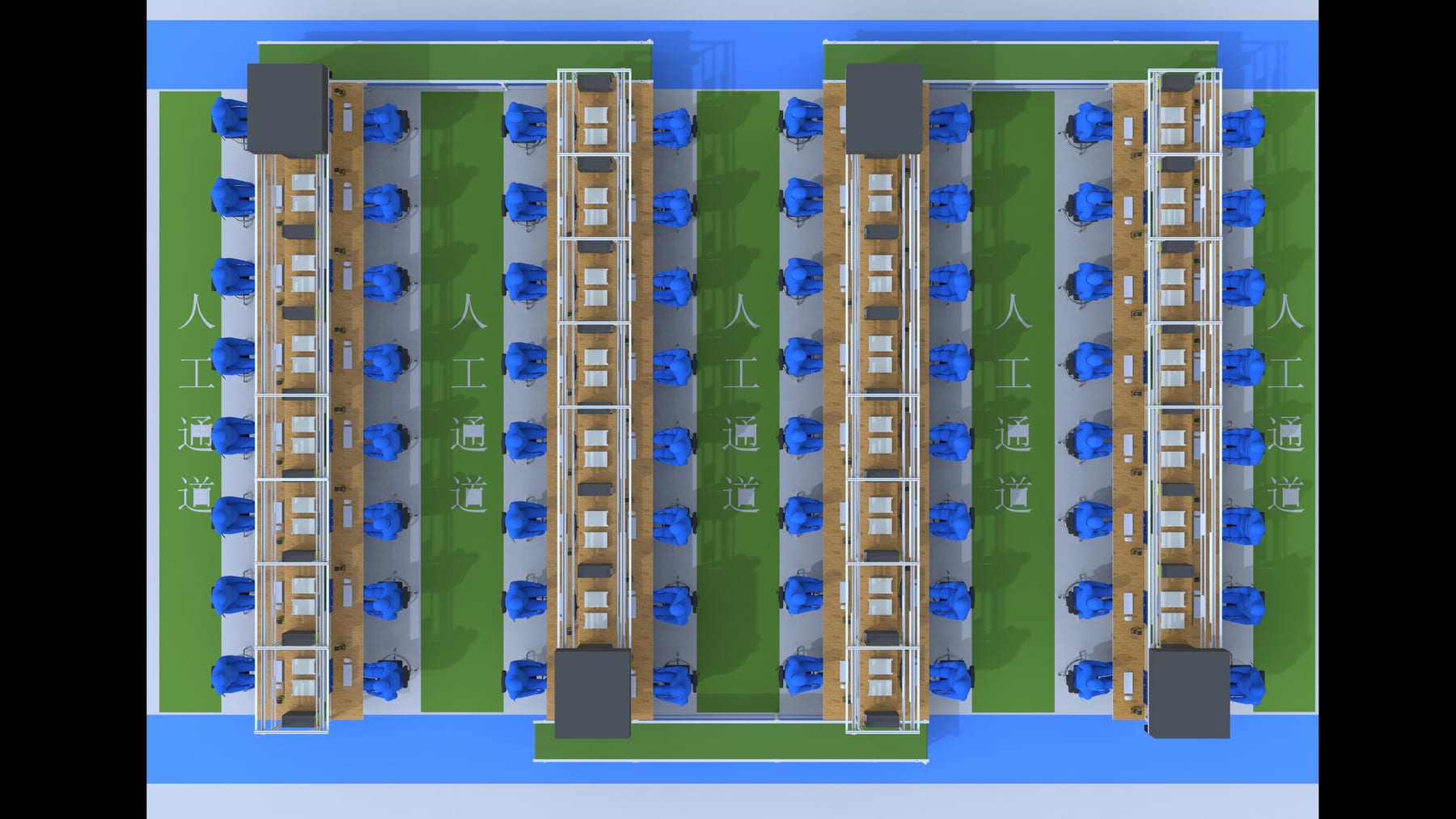
We designed a workshop logistics automation project for a site with four production lines. Phase one focuses on transforming one line first and leaving a repeatable basis for later rollout.
The handled material is a magazine or carrier-type load. The stated single-unit maximum weight is 5.81 kg, with a material size of 230 x 219 x 311 mm. The customer upper system connects through an SRD standard API. Line-side loading and unloading use roller docking, and the AGV body is planned with four buffer positions.
Challenge
Demonstration-line requirements
The project must automate material transport while also collecting production-test data. The project objective includes material quantity, test result, work order record and line-head display information. This makes the project both a logistics transformation and a digital demonstration-line project.
Flow and carrying basis
The design basis uses conveyor-line and roller-AGV handling methods, 20 kg per tray for handled material and a line-level handling cadence of two trips per hour. The design must keep line-side replenishment stable without creating unnecessary AGV congestion.
Approach
End-to-end material movement
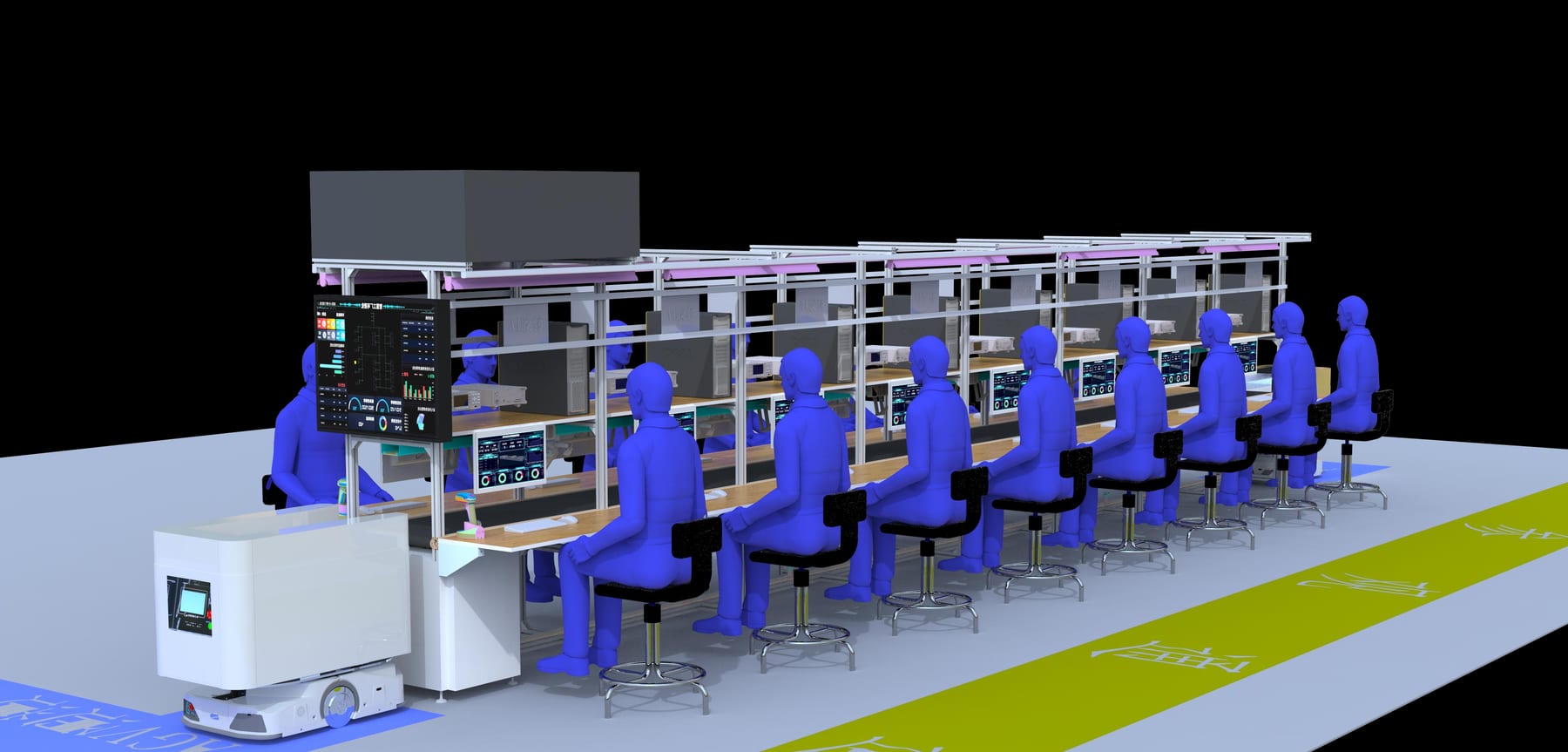
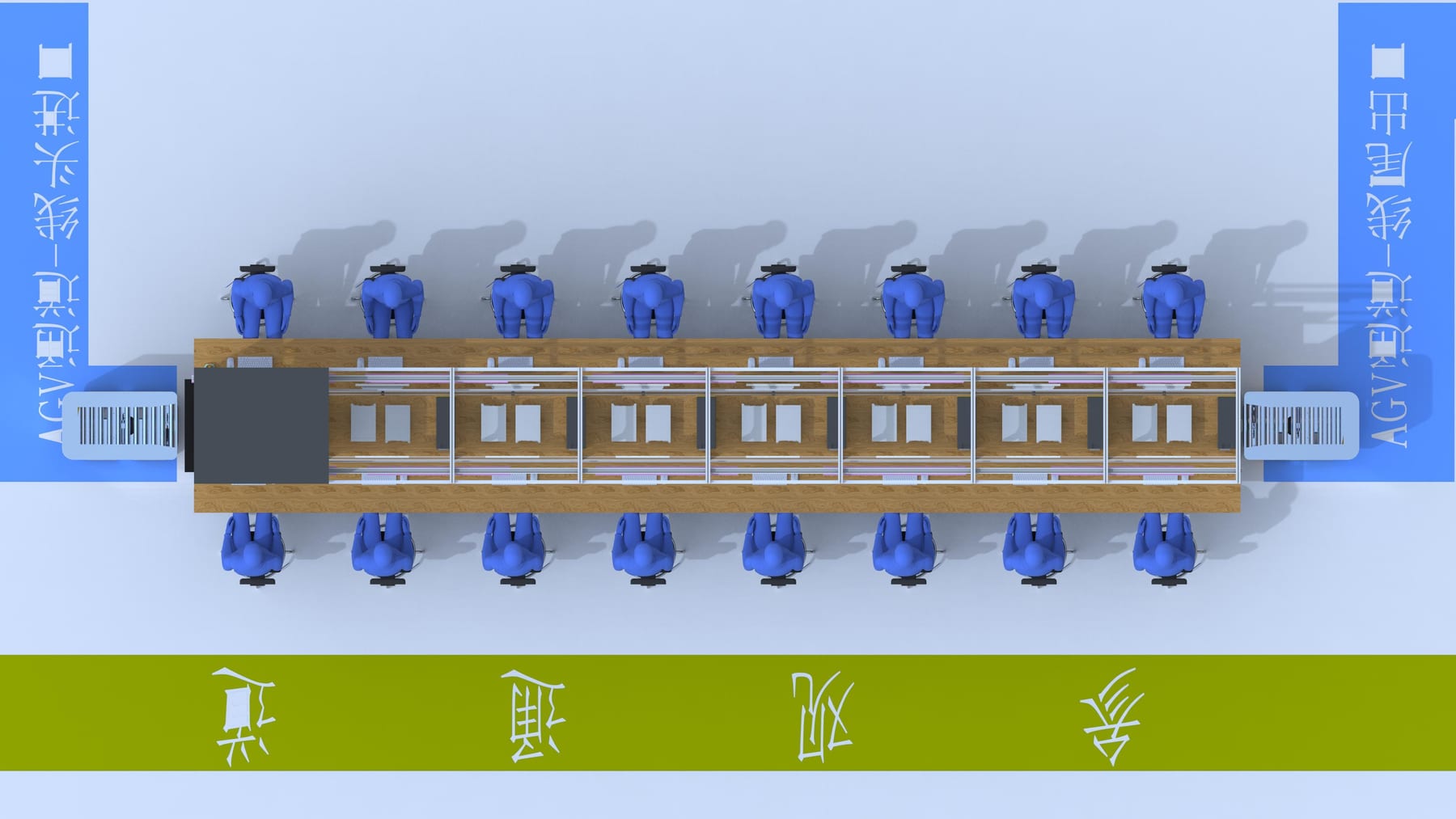
The system moves prepared material to line-side points, completes roller docking with the production line and returns completed or tested material to downstream buffer points. The AGV route and buffer positions are planned to support unmanned transfer from the line head to the next logistics stage.
System integration
The upper-level system sends tasks through the SRD API. The automation layer coordinates production-line information reading, material information reading and AGV task dispatch. The demonstration scope also includes production-test data acquisition and display.
Dispatch visibility
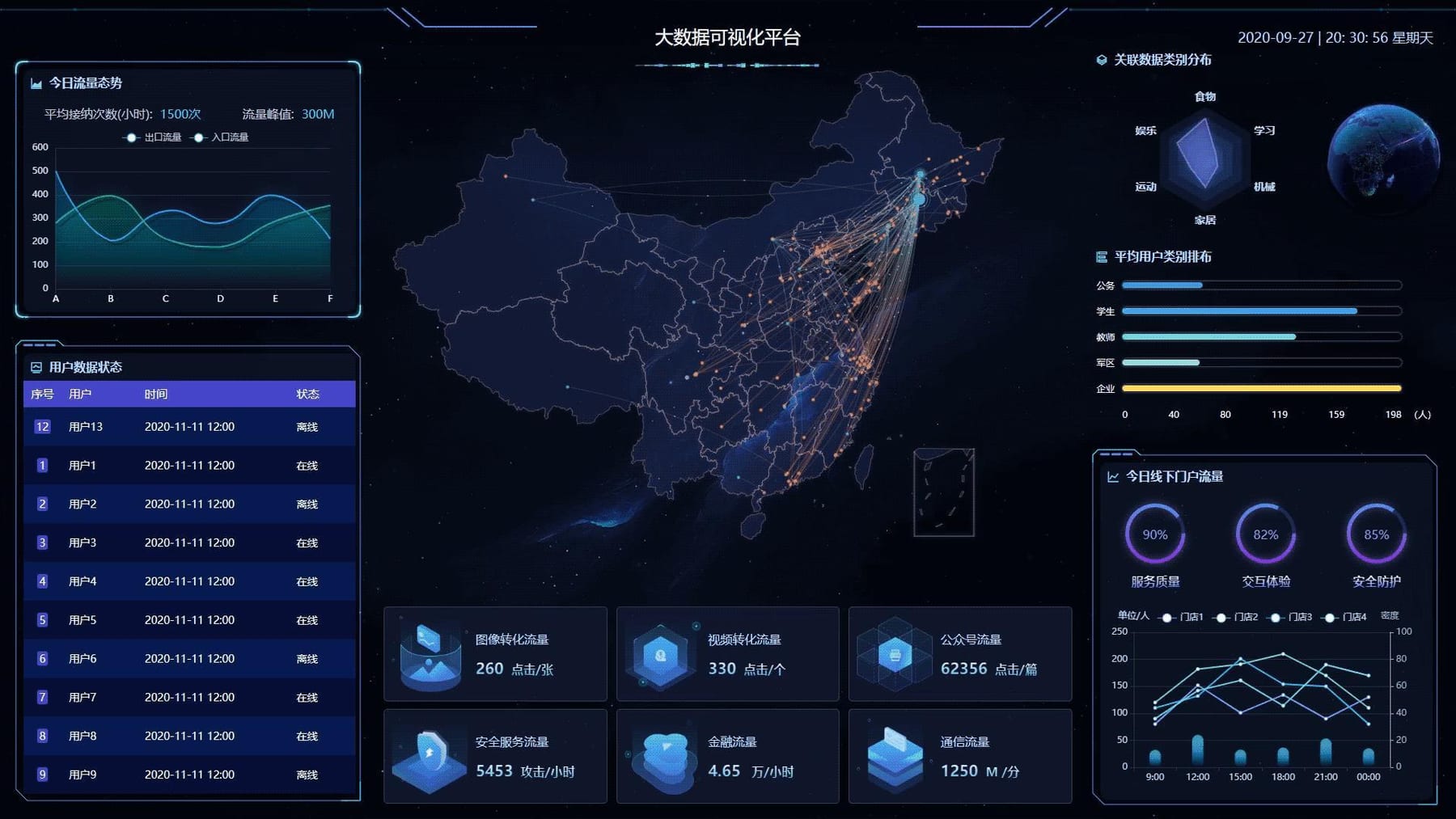
The plan includes AGV dispatch, line-side transfer and system visibility so production teams can see task state and material flow rather than relying only on manual calls.
Outcome
Expected value
The design gives the four-line workshop a repeatable automated logistics pattern. Phase one can validate line-side roller docking, AGV buffer capacity, task dispatch and production-test data capture before extending the concept to the remaining lines.
Confirmed design basis
The case uses confirmed project values: four production lines, phase-one transformation of one line, 230 x 219 x 311 mm material size, 5.81 kg maximum single-unit weight, 20 kg per tray, two trips per hour per line, four AGV buffer positions and SRD API integration.
Project Feedback
Share a short review of this case study or tell us what kind of automation project you want to compare it with.
No published reviews yet.