
Inquiries, partnerships, and case study downloads:example@robotlyne.com
Xiayin Electronics NTC Production Line
A March 2024 NTC line proposal for Xiayin Electronics that ties together boarding, soldering, ultrasonic cleaning, encapsulation, shell insertion and database-backed resistance testing around a 20,000-piece daily target.
Project Snapshot
- Client Type
- NTC Sensor Manufacturer
- Timeline
- Proposal dated 2024-03-30
- Deliverables
- Wire cutting and boarding plus welding section
- Ultrasonic cleaning and encapsulation segment
- Shell insertion and dispensing plan
- Performance-test workflow with data capture
Background
Project scope
The source proposal from March 30, 2024 describes an NTC production line that combines wire cutting and boarding, soldering, encapsulation, potting, curing, ultrasonic cleaning and resistance-testing operations.
Product-flow objective
The plan links front-end joining with later shell insertion and testing instead of leaving those steps as disconnected manual islands. It also includes database-backed test collection in the later performance-test stage.
Challenge
Hybrid automation flow
The line still contains manual steps such as inserting boards into shells, supplemental glue and manual packaging, while also introducing automated cutting, soldering, cleaning, encapsulation and shell-dispensing equipment. The challenge is to keep those mixed steps synchronized.
Cleaning and cure logistics
Because the proposal includes ultrasonic cleaning plus baking and cure stages, it must also manage turnover carts, encapsulation frames and process recirculation timing. Otherwise the back-end flow would bottleneck the earlier automation stages.
Testing traceability
The testing segment requires more than a pass/fail check. The source states that resistance test data is collected and stored in a database, with OK and NG indication logic built into the test flow.
Approach
Front-end line sizing
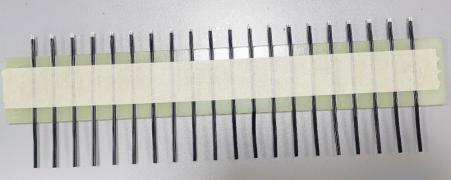
The proposal sizes the cutting and boarding equipment around 1,600 to 2,000 pieces per hour and the dual-station welding section at roughly the same range. For a 20,000-piece daily target, it recommends one boarding machine and one welding machine plus about 2,000 line boards.
Cleaning and encapsulation
The cleaning section uses an ultrasonic cleaning line rated at 24 frames per hour, with two cleaning passes and one drying pass. The encapsulation section uses one automatic encapsulation machine with capacity around 10,000 to 14,000 pieces per hour, plus 120 encapsulation frames and ten turnover carts.
Shell insertion and testing
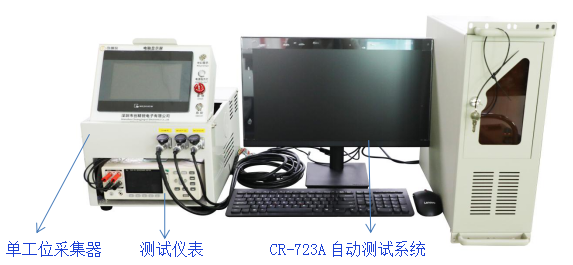
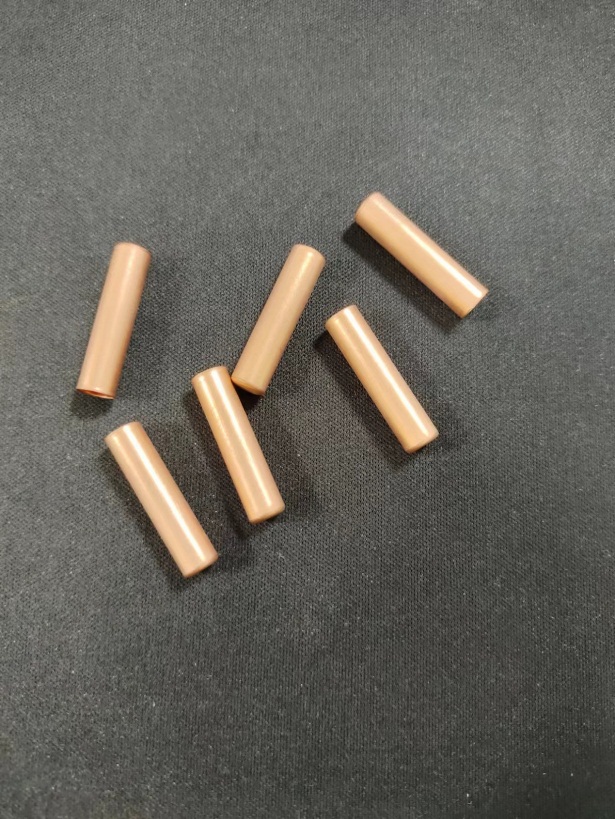
The shell-insertion and dispensing station uses vibratory-bowl feeding with stated capacity around 4,000 to 5,000 pieces per hour. The performance-testing stage supports resistance testing, PLC-linked judgment and database storage of test results.
Outcome
Proposed operating result
The proposal creates a complete NTC production route from boarded wire to tested assemblies, with defined cleaning, encapsulation and shell-insertion stages rather than loose handoffs between isolated stations.
Labor and throughput effect
The source explicitly estimates labor reduction in multiple segments, including cleaning, encapsulation and shell insertion. It is designed around a 20,000-piece daily output level while preserving manual intervention where the process still needs it.
Project Feedback
Share a short review of this case study or tell us what kind of automation project you want to compare it with.
No published reviews yet.