
Inquiries, partnerships, and case study downloads:example@robotlyne.com
Jiake NTC Finishing Line with CCD Inspection and Auto Cleaning
An August 2024 Jiake proposal for a 24#-26# compatible NTC finishing line that adds CCD weld-offset inspection and automatic cleaning to the standard boarding, soldering, encapsulation and testing flow.
Project Snapshot
- Client Type
- NTC Sensor Manufacturer
- Timeline
- Proposal dated 2024-08
- Deliverables
- 24#-26# wire-compatible boarding section
- Welding, tinning and CCD inspection sequence
- Automatic cleaning and encapsulation setup
- Resistance, hipot and downstream finishing plan
Background
Project scope
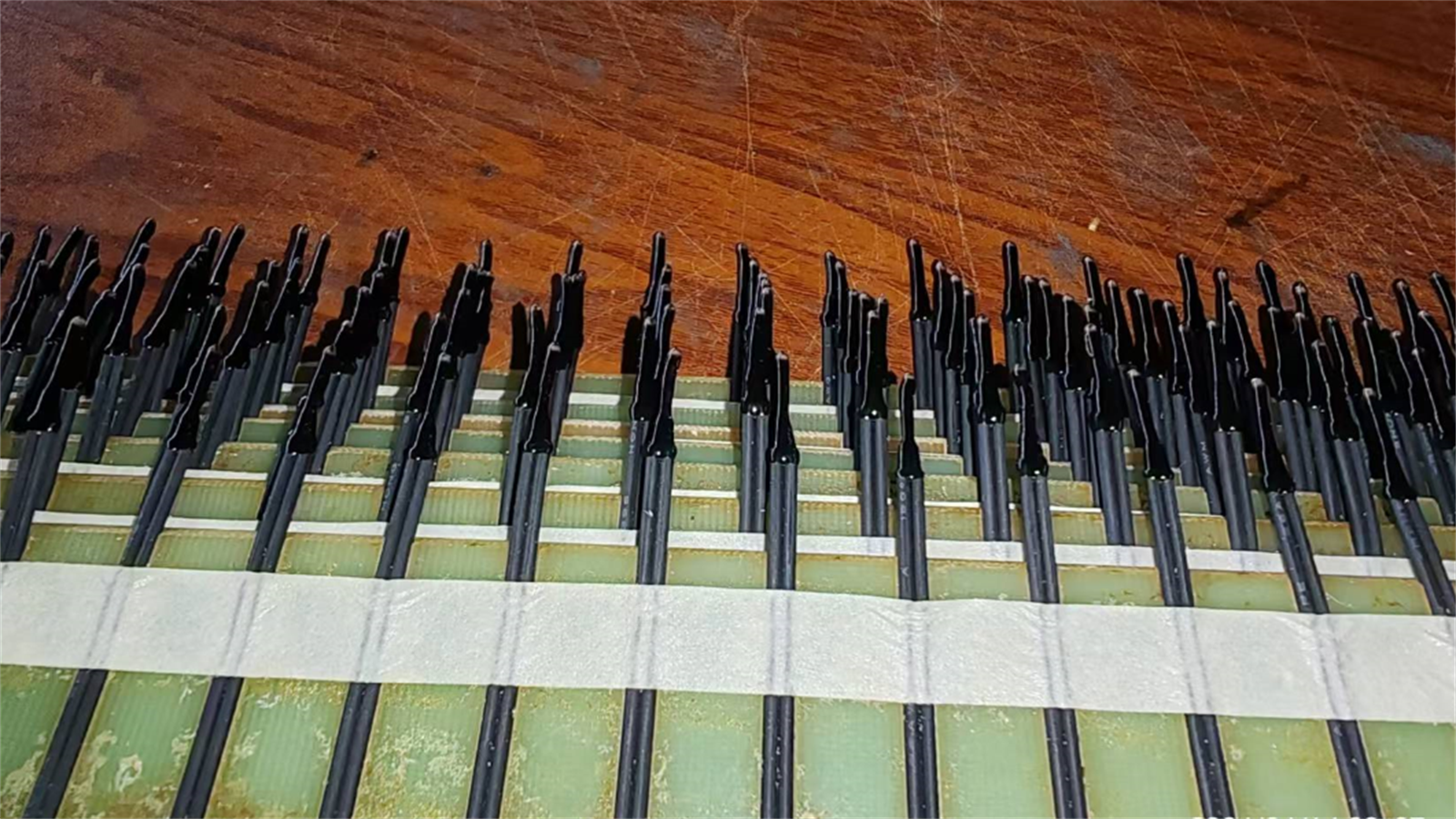
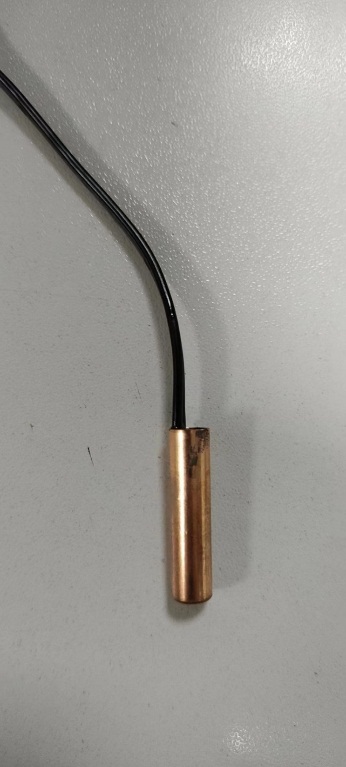
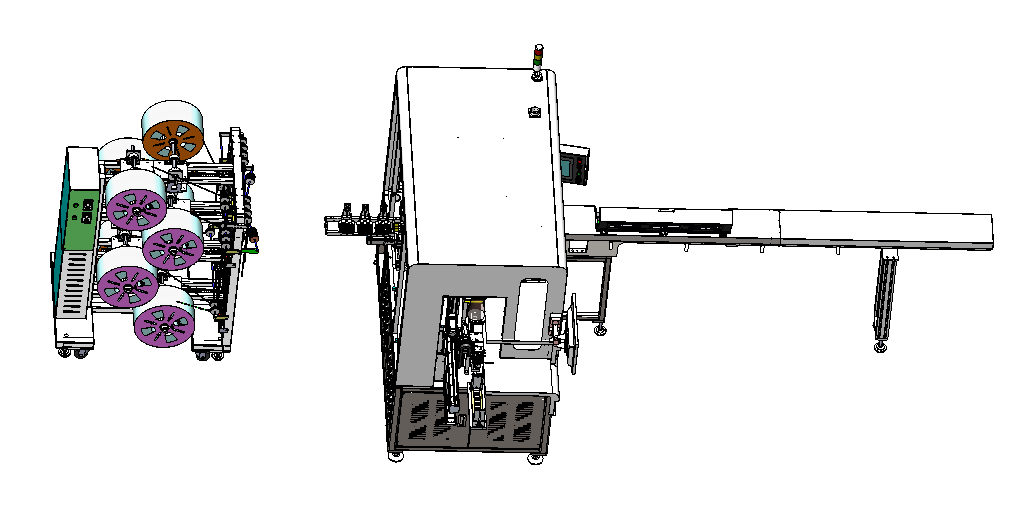
The Jiake proposal describes an NTC finishing line that covers boarding, welding, automatic tinning, CCD inspection, automatic cleaning, encapsulation, shell insertion, resistance and hipot testing, and downstream manual finishing.
Process positioning
Compared with simpler NTC lines, this source adds explicit inspection and cleaning stations between the joining and encapsulation stages. The design is therefore focused on both throughput and tighter process control.
Challenge
Mixed process stack
This line has to coordinate more distinct steps than the basic finishing proposals: boarding, welding, tinning, CCD-based weld checking, automatic cleaning, encapsulation, shell insertion, resistance testing, hipot testing and later manual assembly tasks.
Compatibility and quality limits
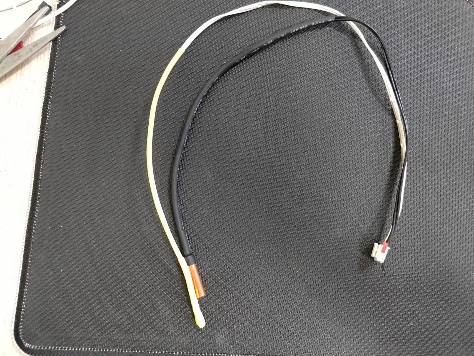
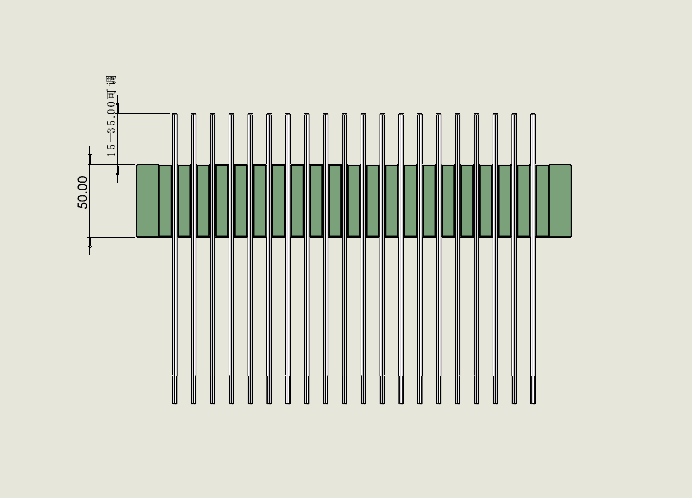
The source states compatibility with 24# and 26# twin wire and gives detailed material and dimensional requirements such as cut length range, strip length tolerance, board dimensions and board loading quantity. It also targets an overall defect rate below 0.5 percent.
Inspection after joining
The CCD section is used to detect weld-offset conditions after tinning and joining. That adds an inspection gate specifically intended to prevent poor alignment from flowing into encapsulation and later-stage operations.

Approach
Front-end configuration
The proposal sizes the boarding machine at about 2,000 pieces per hour and the welding and tinning sections at roughly 1,800 to 2,000 pieces per hour. It also gives detailed wire, strip and board parameter requirements for stable operation.
CCD and auto-cleaning sequence
After joining, the line inserts CCD inspection and an automatic cleaning machine. The source explicitly treats this as a dedicated segment rather than a manual cleanup task, which helps standardize visual and solder-quality control before encapsulation.
Downstream finishing
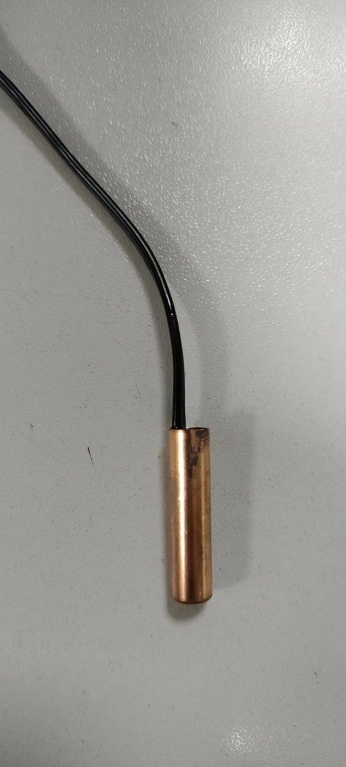
The later process includes automatic encapsulation, shell insertion and dispensing, manual supplemental glue after bake, automatic resistance and hipot testing, and manual sleeve cutting, terminal insertion and plastic-seat work. The plan also quantifies board counts and capacity for a 20,000-piece daily target.
Outcome
Proposed operating result
The resulting line concept is more quality-controlled than the simpler NTC flows because it adds inline inspection and cleaning before encapsulation. The source positions it as a complete finishing route rather than only a set of machines.
Capacity and control value
The proposal is designed around a 20,000-piece daily target and adds structured quality controls such as CCD offset inspection, explicit dimensional requirements and automated resistance and high-voltage verification. That combination is intended to improve process consistency without removing every manual step.
Project Feedback
Share a short review of this case study or tell us what kind of automation project you want to compare it with.
No published reviews yet.